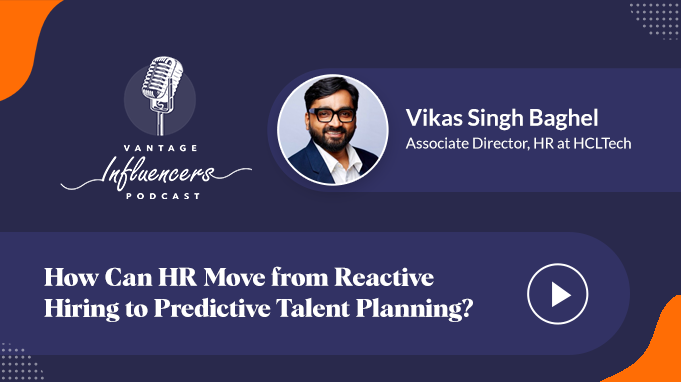
How To Retain Your Employees During The Great Resignation?
Episode Overview
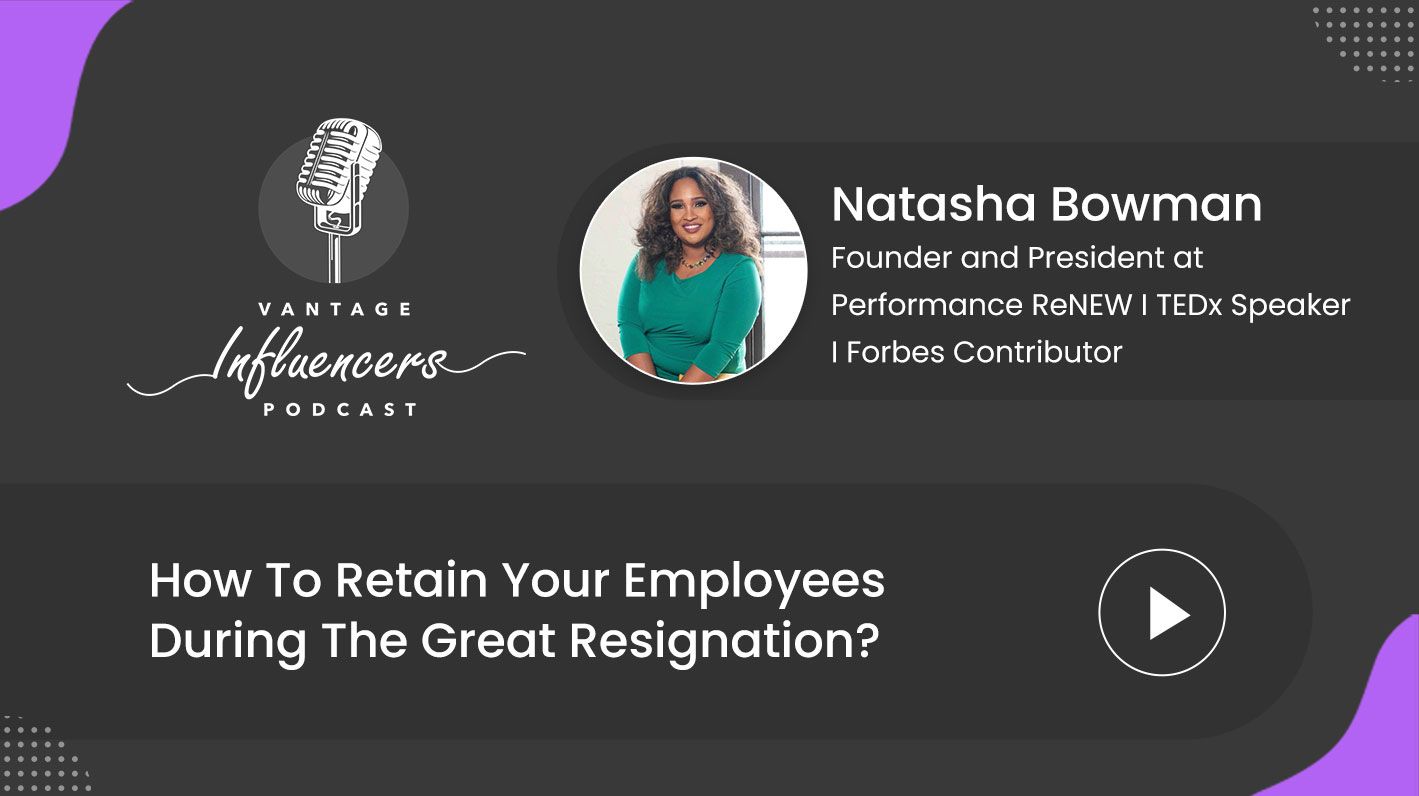
Natasha Bowman, JD, SPHR, is the founder and president of Performance ReNEW and is widely known as The Workplace Doctor. She joins the podcast to unpack the Great Resignation, or what she prefers to call the Great Opt-Out: her core argument is that employees didn't leave their jobs over pay, they left because the shift to remote work during the pandemic accidentally removed them from toxic workplaces and gave them time to reconnect with their families, their mental health, and what work-life balance actually feels like. Once they'd had that taste of a healthier life, being told to simply come back to the same unchanged culture wasn't enough to bring them back.
Her sharpest point is that most of what companies label "engagement," free meals, a few extra days off, a happy hour, was never the real lever. What actually keeps people is removing toxic leaders, building genuine cultures of respect and civility, and making sure time off is truly guilt-free rather than something employees dread returning from to an overflowing inbox. She also draws a hard line between generic time off and dedicated mental health days, argues camera-on video calls should be optional rather than mandatory, and lands on a hybrid work model, built around employee choice, as the most realistic way forward. She closes with a look at her forthcoming book, The Power of One: Leading with Civility, Candor, and Courage, and a direct message to burned-out HR professionals to take care of themselves too.
Episode Highlights
- The Great Resignation, sometimes called the Great Opt-Out, isn't really about pay: employees left because remote work let them notice how toxic their workplaces had become and gave them room to reconnect with family and mental health.
- Free perks like meals or a happy hour don't fix disengagement; what actually keeps people is removing toxic leaders and building genuine cultures of respect and civility.
- Time off only works if it's truly guilt-free: employees shouldn't return to a backlog of hundreds of emails that makes the break feel worse than just working through it.
- Mental health days should be treated as distinct from sick leave, since they let employees rest and recharge without needing to fake an illness or stay confined to bed.
- Camera-on requirements during video calls should be optional rather than mandatory for every meeting, since constant eye contact and curated backgrounds add exhausting pressure to remote work.
- A hybrid model, where employees choose which days to come in, is the most realistic middle ground between full remote and a full return to office.
About the Guest
Natasha Bowman, JD, SPHR, Founder & President, Performance ReNEW
Natasha Bowman began her career as a labor and employment law attorney before moving into human resources to focus on building more proactive, positive, and engaging workplace cultures. She held corporate HR roles at Walmart Stores and led HR for several healthcare organizations before founding Performance ReNEW, where she now works with organizations on cultural transformation. Recognized as a Top 30 Global Guru for Management, a TEDx speaker, and an author, she has spent nearly two decades helping organizations build cultures of respect, civility, and genuine engagement. Because of her ability to diagnose workplace issues and prescribe practical fixes, she's widely known as The Workplace Doctor.
Connect with Natasha on LinkedIn
Host
Susmita Sarma, Vantage Influencers Podcast Host
What You Will Learn
- Why the Great Resignation, or the Great Opt-Out, is less about pay and more about employees reconnecting with mental health and family time
- Why free perks alone don't build engagement, and what removing toxic leadership and building cultures of respect actually looks like in practice
- How to make time off genuinely restorative instead of something employees dread returning from
- Why mental health days deserve their own policy, separate from standard sick leave
- Why making video-call cameras optional can ease Zoom fatigue without hurting training or client-facing sessions that genuinely need it
- Why a hybrid work model, built around employee choice, is the most sustainable middle ground going forward
Key Topics & Timestamps
| Timestamp | Topic |
|---|---|
| 00:49 | Introducing Natasha Bowman and today's topic |
| 01:14 | Natasha's journey from labor law to HR to founding Performance ReNEW |
| 02:14 | Defining the Great Resignation, also called the Great Opt-Out |
| 03:43 | How employee and employer psychology shifted during the pandemic |
| 06:00 | Why free meals and time off alone don't drive real engagement |
| 08:30 | Why mental health days should be treated differently from sick days |
| 10:07 | Zoom fatigue and making cameras optional |
| 13:10 | The Great Disconnect and pressure to return to the office |
| 16:27 | Whether departed employees are likely to return |
| 18:55 | Natasha's forthcoming book, The Power of One |
| 21:30 | Natasha's advice for burned-out HR professionals |
Full Transcript
Click to read the full episode transcript
Welcome to the Vantage HR Influencers Podcast. This podcast is sponsored by Vantage Circle, the simple and AI-powered rewards and recognition platform for employee engagement.
The Great Resignation, also known as the Big Quit and also known as the Great Opt-Out, all began in early 2021. A lot has been said about it, and much has been written about it. Some say the only opportunity to grow is by leaving, while others believe the massive quit is destructive and possibly an irreversible trend. So what's happening in workplaces now? Is the Great Resignation calling for some re-engagement? How is it changing the entire workplace? There is so much to dig into. Let's begin.
Susmita Sarma: Hi everyone, I'm Susmita, and for today's episode I'm so glad to welcome Natasha Bowman, the founder and president of Performance ReNEW, to discuss more about the Great Resignation. Welcome to the show, Natasha.
Natasha Bowman: Thank you so much for having me.
Susmita Sarma: Thank you so much for joining me, Natasha. So before we start with the topic today, it would be great if you could tell us a bit about your journey in the corporate world.
Natasha Bowman: Oh yeah, so I started off my career as a labor and employment law attorney, but I didn't do that for very long. I got tired of being on the dark side of misconduct, so I decided to transition to the HR side to create more proactive, positive, and engaging workplaces. I worked for Walmart Stores in corporate HR, then transitioned to head of HR for several healthcare organizations before founding my firm, Performance ReNEW. At Performance ReNEW, we work on cultural transformation.
Susmita Sarma: You're often referred to as the Workplace Doctor, Natasha. Do you think the Great Resignation is endless?
Natasha Bowman: Oh man, as a workplace doctor, I have to tell you, the Great Resignation is definitely an illness that needs to be remedied really, really soon.
Susmita Sarma: So how would you like to start describing the Great Resignation to our audience today?
Natasha Bowman: Yeah. So essentially, what happened was when the COVID pandemic hit and employees shifted from being on-site to a remote environment, they were essentially removed from toxic workplaces. A lot of them didn't realize how toxic their workplaces were until they left. They had the opportunity to spend more time with their family and friends, do the things they were really passionate about, and still be productive. They got to really realize what work-life balance is. So after having that year or two of relief, of not having the stress of getting up, commuting to work, and being in a toxic environment, when their employer said, "Hey, it's time to come back to work," they just weren't willing to do that. They decided to put their mental health and the things they were passionate about first, ahead of organizations that hadn't put those things at the forefront before. That's why a lot of people also want to call the Great Resignation the Great Opt-Out.
Susmita Sarma: Yes, that's what it is. Often, it's an opt-out of a bad work environment.
Natasha Bowman: Definitely.
Susmita Sarma: So how do you see employee and employer psychology changing with the pandemic?
Natasha Bowman: Yeah. I think what's going to happen is that employers have to understand that their culture can't be the same post-pandemic as it was pre-pandemic. They're going to have to create cultures of wellness, mental wellness, civility, and respect. Because what we've understood is that people didn't leave because of money or anything like that. They left because they wanted to feel human again. We were working people like robots, and they don't want to work like robots, they want to work like humans. So we have to bring humanity back to work. I think that's one of the biggest lessons we learned through the pandemic: you really have to reconnect with what you truly care about and the people you truly care about, and realize that for too long you were putting work ahead of all of that. So employers have to figure out what work-life balance really means. They thought they knew what it meant before, but it's been redefined now.
Susmita Sarma: So do you think it's too late for employers to realize that, because the people who have left don't even care to come back to the same organization again?
Natasha Bowman: Yeah, absolutely, for most employers I'd say that's the case. We got the job numbers in for November, and at least in the United States, it broke records for the number of people that left the workplace. So they're still leaving at record numbers, and it may be too late to bring those employees back to work. But for the people you're hiring to replace them, this gives you an opportunity to give them a different, more positive experience so that they'll stay with you longer, and you can still achieve what you should have been achieving with the previous workforce that left.
Susmita Sarma: So with mental and physical wellbeing, there's a major lesson to be learned from the Great Resignation. How can businesses or employers engage their employees, apart from offering free meals and a few days off?
Natasha Bowman: Yes. And broadly, that's hard, right? That's what we thought engagement was. That's what we thought wellness was: step challenges, weight-loss contests, that kind of stuff. We know that has to be different now. It really has to be a true focus on wellness, and particularly mental wellness, because if you don't have mental wellness, you can't have physical wellness either. So instead of just offering free meals and days off, first of all, yes, people want days off, but those days off have to be meaningful. It shouldn't be that I feel guilty because I'm going to come back to hundreds of emails, and it would have been better if I'd just come to work that day. That's not what engagement is. It's about creating cultures of respect and civility, where I'm walking into a positive work environment, getting rid of leaders who lead through fear and toxicity. Toxic leaders will beat a free meal any day. It's about creating those types of cultures and really assessing your organization to understand what, or who, is disrupting your positive culture, and removing that. That's what engagement is. Once I walk in and I'm not faced with what I like to call "culture vultures," then I'm able to perform. I'm able to be engaged. I'm going to go above and beyond what I typically do to see the organization succeed.
Susmita Sarma: So employers should make sure that if they're giving employees a few days off this week, when those employees come back, they shouldn't be facing extra pressure for having been away, right?
Natasha Bowman: Right, exactly. You don't want people feeling guilty for taking time off, or dreading it because they know they're going to come back to so much work. Organizations should implement mental health days, and mental health days are different from a typical day off. Typically, if I want to take a vacation day or a holiday, I have to pre-schedule that: tell my manager two weeks ahead of time that I need time off. But sometimes I just can't come to work today because I'm not mentally capable of doing it, so I might call in sick, even though I'm not really sick, I don't have a headache or a stomach ache or anything. I just need time away.
Susmita Sarma: Just some me-time.
Natasha Bowman: Yeah, exactly. I need to reserve my sick days for when I'm actually sick, because employers expect that if you're sick, you're either in bed resting or seeing a doctor. Mental health days are for me to do whatever I need to do to rejuvenate and de-stress, which might mean going to the movies, going to the mall, going to the spa. I can't do that on a sick day. If I get caught walking through the park when I'm supposed to be sick, I could get in trouble. So that's the distinction between mental health days and sick days or holidays. Just two or three of those days a year offered to employees makes all the difference in the world for them. Everybody needs to walk away every now and then.
Susmita Sarma: Yeah, especially now it's become important, some days are just for being happy at home or wherever you are. So before, we used to just call it work fatigue, and now the term has changed to virtual fatigue or Zoom fatigue, and a lot of people are dealing with it currently. What do you have to say about that? Would you like to add something to it? We've also seen this continuous concern around keeping cameras on during video calls. Do you think that's a very important factor making some noise right now?
Natasha Bowman: I think people really just need the opportunity to do the things that make them happy, and we need to ensure they have that opportunity guilt-free. With Zoom fatigue especially, since a lot of people are working from home, I think camera-on should be optional. There are going to be some days where, yeah, I want to engage with people, look them in the eye, and talk to them. But there may be other days where I just can't get up and get camera-ready. I don't think it should be a requirement for every single meeting. There may be times, say you're going through a training program, where a client wants the camera on because they want to make sure people are engaged and understanding the topic, not distracted. But if it's a conversation that in the past would have just been a phone call, there's no need for me to have my camera on, and no need for you to have to see me. I think we should treat it like we would in a physical workplace: if you're at your desk and a colleague calls you, they're not looking at you, you're just talking on the phone. Then sometimes you're called into an in-person meeting, and maybe that's when we'd need a camera on. But requiring everyone to have their camera on for every single meeting can be exhausting, and not just because people don't want to be distracted. You have to remember, you're in people's homes now. So there's this extra responsibility of making sure your surroundings are clean, that you don't have distractions, that your kids or your dog or your cat aren't in the camera. There really shouldn't be a need to have a camera on all the time, and that constant pressure can be exhausting. That's kind of a downside of working remote: having that constant eye-to-eye contact through Zoom.
Susmita Sarma: So there's a lot on employers to understand here too. I think employers have to be a bit more understanding in this regard, isn't it?
Natasha Bowman: Yeah, absolutely. If someone says, "Hey, today I'm not keeping my camera on," respect that. That's not the worst thing that can happen. Respect is the word, actually.
Susmita Sarma: So employers are also talking about the Great Disconnect in this regard. Are they actually demanding that people come back to the workplace? You've been working in this field for a long time, so do you see employers forcing people to come back?
Natasha Bowman: I definitely saw that happening toward the end of last year, but then we had a resurgence of COVID and they ended up sending people back home. So now that's also playing on people's psychological safety: am I going back to work or not, or maybe I've been called back to work and I'm scared because of the new COVID variant going around. I've seen clients quit on the spot, saying, "Look, I don't want to get on the subway, I don't want to be out there, I'm scared." So going back to the Great Resignation, if you want to stop that from happening, you need to allow that flexibility. If people have been successful working remotely for the past two years, why are you bringing them back to work? A lot of times it's because leaders just don't trust their employees, and they don't trust them for no real reason. If employers don't trust their employees, their employees aren't going to trust them either, and that severs the relationship, and people are going to leave. So I don't see the need to call people back just yet, unless you're in an industry like healthcare where you have to be physically present. It's still dangerous out there, people are still very scared, and as I've said, people have just been happier being at home than in the office.
Susmita Sarma: So I think a small percentage of employees can't wait to come back, isn't it?
Natasha Bowman: Yeah, absolutely. I'm an in-person person. I like seeing people. I've been doing my trainings over Zoom for the past two years, sitting in one place, looking at this camera all day. I'm ready to get back into workplaces, ready to see people, ready to talk to people and have them doing activities. But that's just me, that's just my preference. When we talk about return to work, just give people options. If your office is still available, you're welcome to come in, and some people may choose a hybrid model where they come in a couple of days.
Susmita Sarma: Hybrid is something that is going to stay, I think.
Natasha Bowman: Yeah, I think that's the best solution if you ask me, to balance this. Give people the option of coming in a couple of days a week or not. Some days you may feel like getting up, getting dressed, and getting out of the house, because sitting at home day after day isn't healthy either. So some days you may feel like getting dressed and going to work, being with your colleagues, and some days you don't. Working that hybrid model, I think, is the best option.
Susmita Sarma: Natasha, we've talked about how we can re-engage our current employees, but is there a way we can bring back the workers who have already left us?
Natasha Bowman: That's a good question. I've really been thinking about this question for some time now, how do we bring employees back. I think workplaces have to prove themselves again. They've got to rebrand themselves, rebuild their reputation around cultures of civility and respect, and then I think employees will consider returning. Many have pursued entrepreneurship journeys, things they're really passionate about, and they're enjoying that. Some, and the biggest demographic impacted by the Great Resignation was working mothers, have decided they want to be full-time caregivers, and I don't know if that will change. Then you have people in between where we don't know exactly what they're doing. Maybe that's the group employers can potentially tap into. But before that happens, they've got a lot of work to do to show, once again, that their post-pandemic culture is going to be significantly different from their pre-pandemic culture, that they're regaining the trust that wasn't there during COVID.
Susmita Sarma: And even now, COVID isn't leaving us, so I think the Great Resignation is going to follow us for a long time, right?
Natasha Bowman: Absolutely, absolutely. It's going to stick around even if COVID does go away and we don't see another variant. People will be scared for a while to trust that it's really gone, because we thought we were in the clear at the end of last year, we thought things were looking significantly better, and then we saw this resurgence. So it's going to take a while for people to really trust that when it's gone, it's gone, and we don't know when that's going to happen. We've seen so many variants, we just don't know. So I think the best thing to do is plan with a COVID mindset for the significant, foreseeable future.
Susmita Sarma: Brilliant. So Natasha, I'd like to know about your forthcoming book, The Power of One: Leading with Civility, Candor, and Courage.
Natasha Bowman: Yes, I'm so excited about this book, thank you. It's coming out around March. It's based on the TEDx talk I did in 2018. I actually worked on it right after that talk throughout 2019 and finished it, but for some reason I did nothing with it. I don't know why, but now I know why, I guess I had an intuition that something big was going to happen, and something big did happen: COVID happened. That gave me the opportunity to really rewrite the whole book to address COVID, and everything we've talked about today: how we're thinking about shifting our workplaces and workplace culture, how leaders should be leading with civility, candor, and courage. Also, if I think about the individual, maybe you don't have a leadership title, but you still have a power of one. We saw that especially in America during the racial reckoning after the murder of George Floyd, when people realized how much of an impact race and racism were having on the way we lived, and many people didn't fully realize the experience of Black people in the US. What we saw was people being courageous, people being allies, and this racial reckoning play out. So I talk about that as well. But really, it's about using your individual power, your power of one, to make a change, because it's those ordinary actions that can create extraordinary change in our workplaces and our communities. And those ordinary actions are built around three C's in the book: a virtue built on civility, candor, and courage. If we all embrace those three C's of virtue, it makes our workplaces just better.
Susmita Sarma: Brilliant, Natasha. We wish you all the best for your book.
Natasha Bowman: Thank you, thank you.
Susmita Sarma: So Natasha, we've reached the end of the show. What would be your suggestions for our audience? I know your audience is primarily HR professionals.
Natasha Bowman: And I hear you, I work with you every day. I know that you're burned out, feeling exhausted, ignored, and unappreciated. If you're a recruiter right now, oh my goodness, you're really burned out trying to figure out what the next steps are. So my suggestion is to make sure that as you're supporting your workplaces, your leaders, and your client groups within your organizations, you're also taking care of yourself. You're an employee too, and you deserve to be treated respectfully. You deserve to be treated with civility as well. I think sometimes HR people forget about that, so that's what I want to encourage everyone to do: make sure you're taking care of you.
Susmita Sarma: Great. So finally, how can our listeners reach out to you?
Natasha Bowman: Yeah, so there are several ways. My website is performance-renew.com, you can go to the contact form and reach out to me there. I'm also very active on LinkedIn, so just look up Natasha Bowman, JD, and connect with me there. I have a newsletter there called "Let's Talk About Work," where I share more information and insights similar to what we just discussed here, and I'd love to connect with you and continue these types of conversations on a daily basis.
Susmita Sarma: I'll be linking your LinkedIn profile in the show notes, Natasha. This has been an absolute pleasure to talk to you. Thank you so much for joining me on the show to talk about the Great Resignation.
Natasha Bowman: Thank you so much for having me.
Thanks for listening to the Vantage HR Influencers Podcast. Please subscribe to the Vantage HR Influencers Podcast on Apple Podcasts, Spotify, and our YouTube channel for new episodes.
FAQ
What is the Great Resignation, and why is it also called the Great Opt-Out?
Natasha Bowman explains that the pandemic pushed employees out of on-site, often toxic, work environments and gave them time to reconnect with family and their own wellbeing. Once they experienced that, going back to jobs and cultures that hadn't changed felt like a step backward, so many chose to opt out rather than return, which is why some, including Bowman, prefer to call it the Great Opt-Out rather than a resignation.
Why don't perks like free meals or extra days off stop people from leaving?
Bowman argues that free meals and time off were never a real substitute for genuine engagement. What actually keeps employees is removing toxic leaders, building cultures of respect and civility, and making sure time off is truly restorative rather than something employees dread coming back from to an overflowing inbox.
Should employees be required to keep their cameras on during video calls?
No, Bowman says camera-on should be optional rather than a blanket requirement for every meeting. She points out that constant video calls add pressure most in-office work never had, from curating a clean background to worrying about kids or pets appearing on screen, and that it should be treated more like a phone call unless a specific session, like a training, genuinely needs visual engagement.
Is it too late for companies to win back the employees who already left?
Bowman is candid that for many organizations, yes, it's likely too late to bring back people who already resigned, especially with US job-separation numbers still hitting records at the time. Her advice is to focus that energy on the new hires replacing them: give them a genuinely different, more positive experience so the same cycle doesn't repeat, while workplaces rebuild the trust and reputation needed to eventually win back the group of "in-between" workers who haven't fully settled elsewhere.
Related Reading
Also listen on