




18 Non-monetary Incentives to Motivate your Employees

A Global Employee Recognition and Wellness Platform
If money was enough to keep employees motivated, no high-paying workplace would struggle with retention. Yet four times as many employees quit due to engagement and culture issues or work-life balance concerns than for better pay and benefits.
In 2024, only 16% of employees cited "Pay/Benefits" as their primary reason for leaving. So where did the other 84% go? They left because they felt undervalued, unseen, and stuck. And that's the heart of the problem.
You can pay people to show up. But you can’t pay them to feel connected, inspired, or loyal. True motivation lies in providing growth opportunities, appreciation, flexibility, and purpose. These are the incentives that make people care about what they do rather than simply complete tasks.
In this blog, we’ll explore ideas you can start implementing today to boost motivation, strengthen culture, and keep your best people on your team. So, let’s begin!
What are Non-monetary Incentives?
Non-monetary incentives are rewards that motivate employees without involving direct financial compensation. Instead of relying on raises, bonuses, or cash payouts, these incentives tap into what actually drives people at work. It could be recognition, flexibility, purpose, growth, belonging, and trust.
Here are a few examples of non-monetary incentives:
- Peer-to-peer recognition for accomplishments
- Opportunities for learning, upskilling, and career development
- Flexible working arrangements and autonomy over schedules
- Special projects or leadership opportunities based on skill and passion
- Extra time off for outstanding performance
What are the Benefits of Non-monetary Rewards?

1. Boosts Employee Engagement
Non-monetary incentives boost engagement by creating emotional involvement. When employees receive meaningful recognition, autonomy, or purpose-driven opportunities, they take ownership of the work and genuinely care about the results. These rewards activate personal investment, strengthen daily motivation, and turn routine roles into experiences that feel valued and connected.
2. Improves Retention and Reduces Turnover
Employees rarely leave jobs where they feel respected and understood. Non-monetary incentives like flexible work, recognition and growth opportunities, signal that the organization is investing in them as people, not just workers.
Companies that excel in such practices see lower attrition because employees feel rooted in the culture and aligned with their leaders. Instead of scanning the market for better offers, they feel confident that they can grow, contribute, and belong right where they are.
3. Increases Employee Productivity
Productivity rises when employees feel energized, supported, and trusted. According to an SHRM study, non-cash rewards can improve productivity by as much as 44% in some organizations, because non-monetary incentives eliminate the barriers that drain performance.
Flexibility allows employees to work at their peak hours, appreciation increases focus, and growth opportunities sharpen skills that directly impact output. It creates sustainable productivity driven by clarity, confidence, and a sense of ownership over their work.
4. Enhances Creativity and Innovation
Innovation thrives in environments where people feel safe to challenge ideas and explore new territory. Non-monetary incentives help build exactly that. When employees are trusted with autonomy, recognized for effort, and encouraged to develop new skills, their risk-taking confidence grows.
This leads to bolder brainstorming, faster experimentation, and cross-team problem-solving. Instead of waiting for permission, employees proactively test ideas, iterate quickly, and contribute fresh perspectives.
18 Non-monetary Incentives for your Employees
Flexibility-Based Incentives

1. Flexible Work Hours
Category: Flexibility
Best For: Employees managing caregiving responsibilities, long commutes, or who hit peak productivity outside traditional 9-5 hours.
Why It Works: Autonomy over time boosts intrinsic motivation and reduces stress. It makes employees feel trusted rather than micromanaged.
Caution: Avoid blurry boundaries by setting a few core hours when everyone should be available. It keeps things simple and helps the whole team stay aligned.
2. Remote or Hybrid Work Options
Category: Flexibility
Best For: Knowledge workers whose output doesn’t depend on physical presence
Why It Works: Location flexibility is one of the strongest drivers of job satisfaction. It gives employees control over their environment, eliminates draining commutes, and supports better work-life integration.
Caution: Don’t let remote employees become invisible. Create intentional communication rituals like weekly video syncs, one-on-one meetings or virtual coffee chats, so remote employees don't fade into the background.
3. Compressed Workweeks
Category: Flexibility
Best For: Teams with predictable workloads and roles that allow for independent task completion
Why It Works: Compressed schedules offer extended rest periods that help employees recharge deeply, reducing burnout while maintaining full-time productivity.
Caution: This works best for roles that don't require daily coverage. Map out schedules carefully to avoid gaps in availability.
4. No-Meeting Fridays
Category: Flexibility
Best For: Teams drowning in meetings who need protected time for deep work.
Why It Works: Reduces cognitive load and gives employees breathing space to work creatively and efficiently.
Caution: Leadership must model this boundary. If executives schedule Friday meetings anyway, the policy loses all credibility.
Recognition & Appreciation

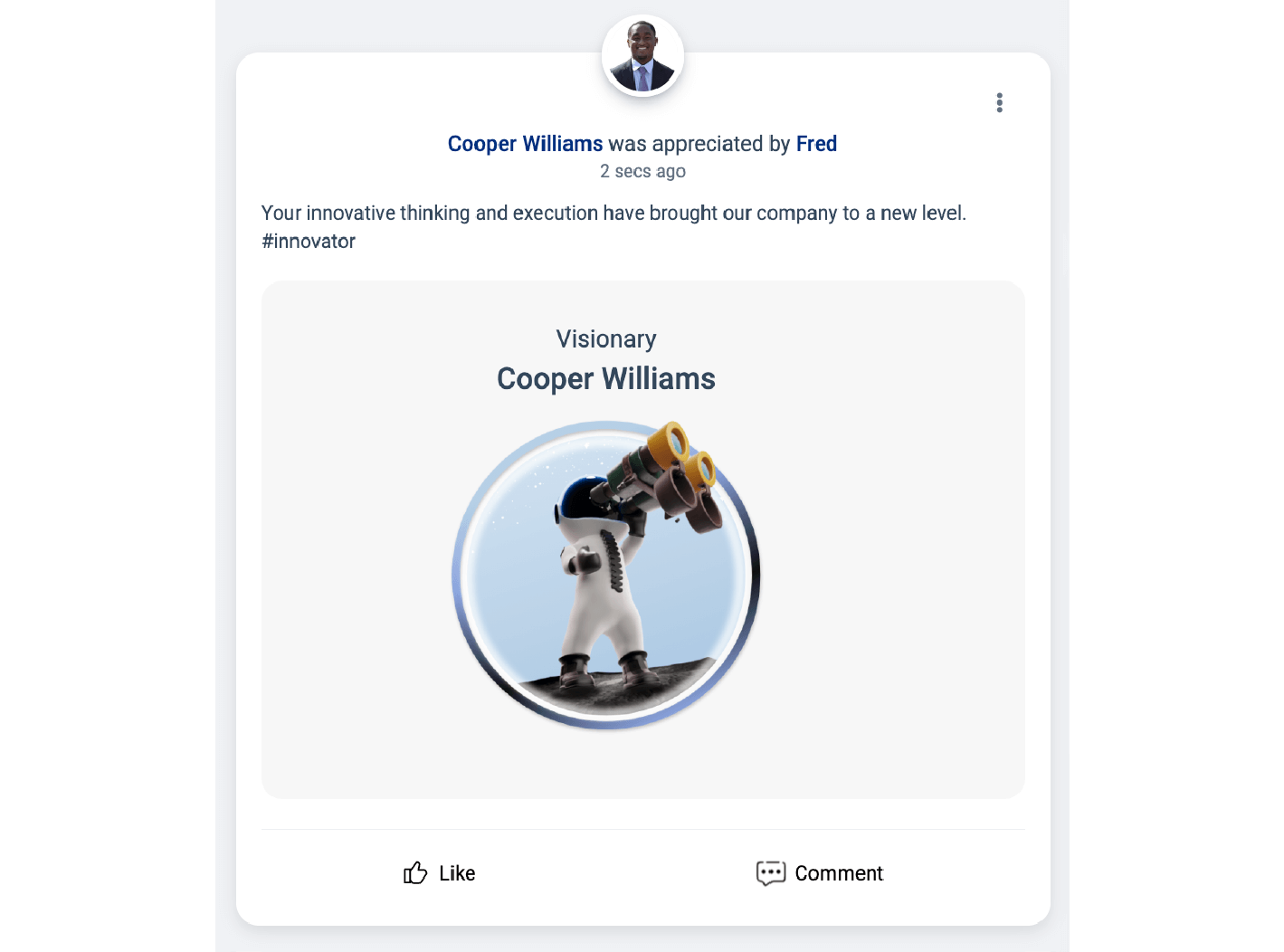
5. Peer-to-Peer Shoutouts
Category: Recognition
Best For: Collaborative teams where contributions are often peer-facing. Remote and hybrid teams also benefit hugely because P2P recognition fills the “visibility gap” and keeps people connected.
Why It Works: Recognition from colleagues can be more meaningful than praise from a manager. It's frequent, specific, and builds a culture where appreciation flows naturally in all directions.
Caution: Avoid turning shoutouts into popularity contests. Try to highlight impact, not personality.
Source: Vantage Recognition
6. Spotlight Stories in Internal Newsletters
Category: Recognition
Best For: Employees doing behind-the-scenes or invisible work.
Why It Works: Storytelling validates effort, builds respect across teams, and reinforces cultural values.
Caution: Keep it authentic. Overly polished features feel corporate and insincere. Let the person's voice and real contribution shine through.
7. Thank-You Videos from Leaders
Category: Recognition
Best For: Employees who crave personal connection with leadership and want to feel seen at the top.
Why It Works: A 60-second video from a leader creates emotional resonance that a text message never will. It's personal, memorable, and signals that someone important noticed.
Caution: Be specific. Generic "great job team" videos don't land. Name the person, describe what they did, and explain why it mattered.
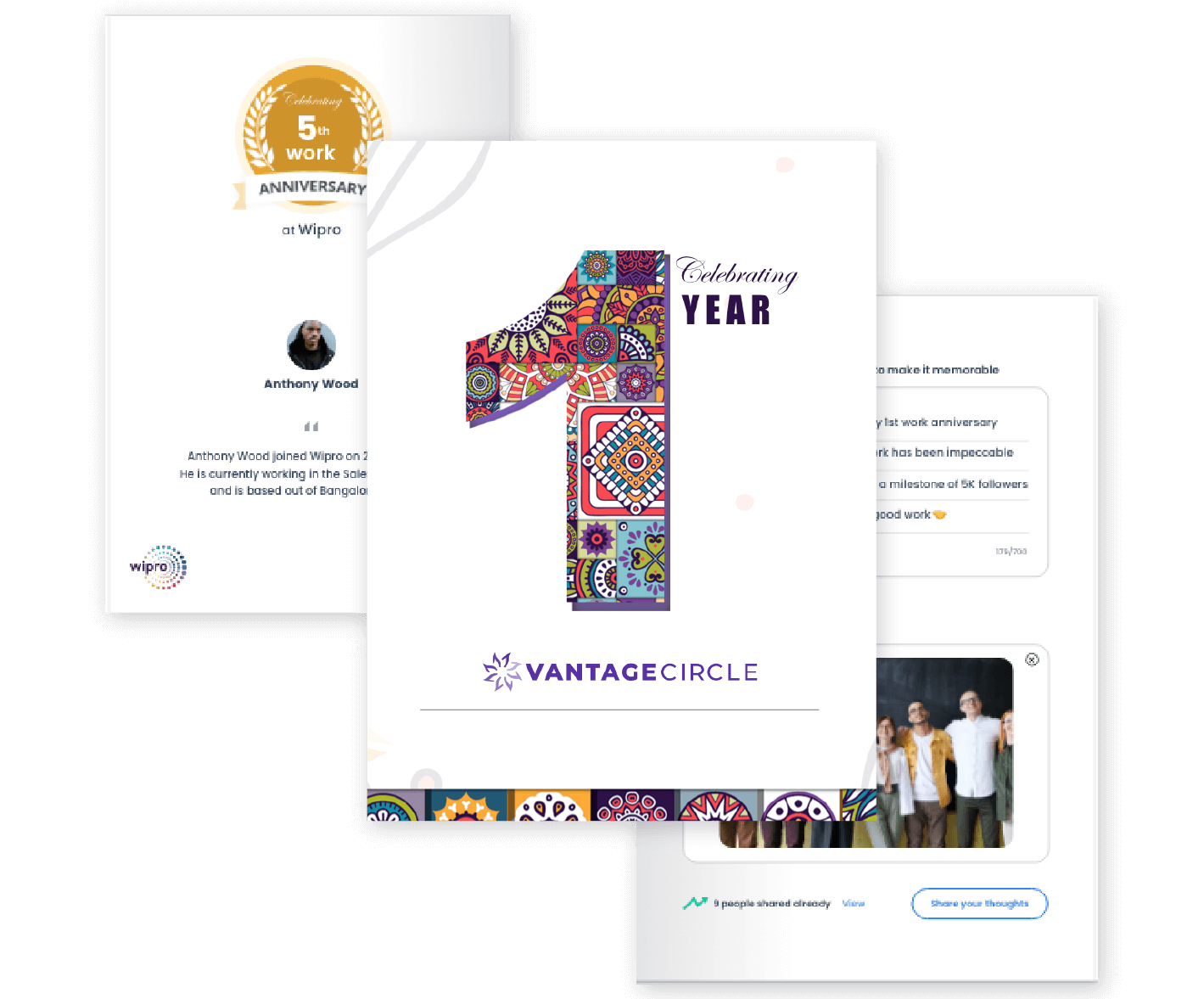
8. Service Milestone Awards
Category: Recognition
Best For: Employees who’ve been with the company for several years and appreciate recognition that honors their commitment and the role they’ve played in shaping the team.
Why It Works: Hitting a service milestone shouldn’t end with a standard plaque. It should feel more meaningful because sharing someone's journey, impact, and growth creates meaning that outlasts any physical gift.
Caution: Ditch the template certificate. Invite peers to share real memories, and pair it with a milestone catalog so they can choose a reward that feels meaningful to them.
Source: Vantage Recognition
Growth & Development

9. Learning Time Allowance
Category: Growth
Best For: Employees eager to upskill but are buried under daily work demands.
Why It Works: When learning is part of the job and not an after-hours burden, it signals that growth isn't just tolerated, it's expected. This improves retention and keeps skills sharp.
Caution: Tie learning to relevant skills or career goals to prevent it from devolving into aimless browsing.
10. Mentorship Programs
Category: Growth
Best For: Employees seeking guidance and cross-team learning.
Why It Works: Mentorship creates powerful relationships that transfer knowledge, build confidence, and help people navigate challenges they'd otherwise face alone. It benefits both mentor and mentee.
Caution: Keep groups small to maintain depth and accountability. Provide frameworks, suggested meeting cadences, and clear goals so mentorship doesn't fizzle out after one coffee chat.
11. Skill-Building Showcases
Category: Growth
Best For: Teams focused on innovation and building strong learning culture.
Why It Works: When employees learn something new and then teach it to others, they develop deeper mastery and psychological ownership of their growth. It also spreads knowledge organically across the team.
Caution: Make it a safe space. This isn't about performance or showing off, it's about sharing openly, including failures and lessons learned.
Purpose, Belonging & Impact

12. Volunteer Time Off (VTO)
Category: Purpose
Best For: Employees who are passionate about community service and want their work to connect to something bigger than quarterly targets.
Why It Works: Aligning work with personal values creates meaning and pride. When companies support causes employees care about, it strengthens the emotional bond with the organization.
Caution: Offer choices. Forcing everyone to volunteer for the same corporate-selected cause can feel tone-deaf. Let employees choose what matters to them.
13. Culture Ambassador Roles
Category: Belonging
Best For: Employees excited about shaping workplace culture.
Why It Works: Involving employees in culture-building creates shared ownership and deeper engagement.
Caution: Give them real scope and support. Don’t overload them. Instead, provide the budget, time, and backing from leadership to make the role meaningful.
14. Employee-Led Clubs & Communities
Category: Belonging
Best For: Building organic social connection across teams.
Why It Works: Shared interests such as book clubs, running groups or game nights, create belonging beyond job roles. These relationships make people want to stay.
Caution: Provide support but don't over-structure it. The magic is in employee ownership and authenticity.
Health & Wellness
15. Mental Health Days (No Questions Asked)
Category: Wellness
Best For: High-stress roles or teams recovering from intense projects.
Why It Works: Normalizing mental health or rest days reduces burnout and creates a culture where taking care of yourself isn't seen as weakness.
Caution: If employees feel guilty or face subtle pressure not to use these days, the policy becomes performative.
16. Quiet Rooms for Recharge
Category: Wellness
Best For: Neurodiverse employees or anyone needing quick breaks from overstimulation.
Why It Works: Not everyone recharges by socializing. A dedicated quiet space reduces cognitive overload, improves focus, and supports emotional regulation.
Caution: Keep the space purpose-driven. These aren't hangout spots or phone call rooms; they're for genuine decompression.
17. Guided Mindfulness Sessions
Category: Wellness
Best For: Teams experiencing high pressure or major transitions.
Why It Works: Mindfulness reduces stress, increases presence, and improves decision-making. Even 10 minutes can shift the energy of a difficult day.
Caution: Keep it optional. Forced mindfulness defeats the entire point and can breed resentment.
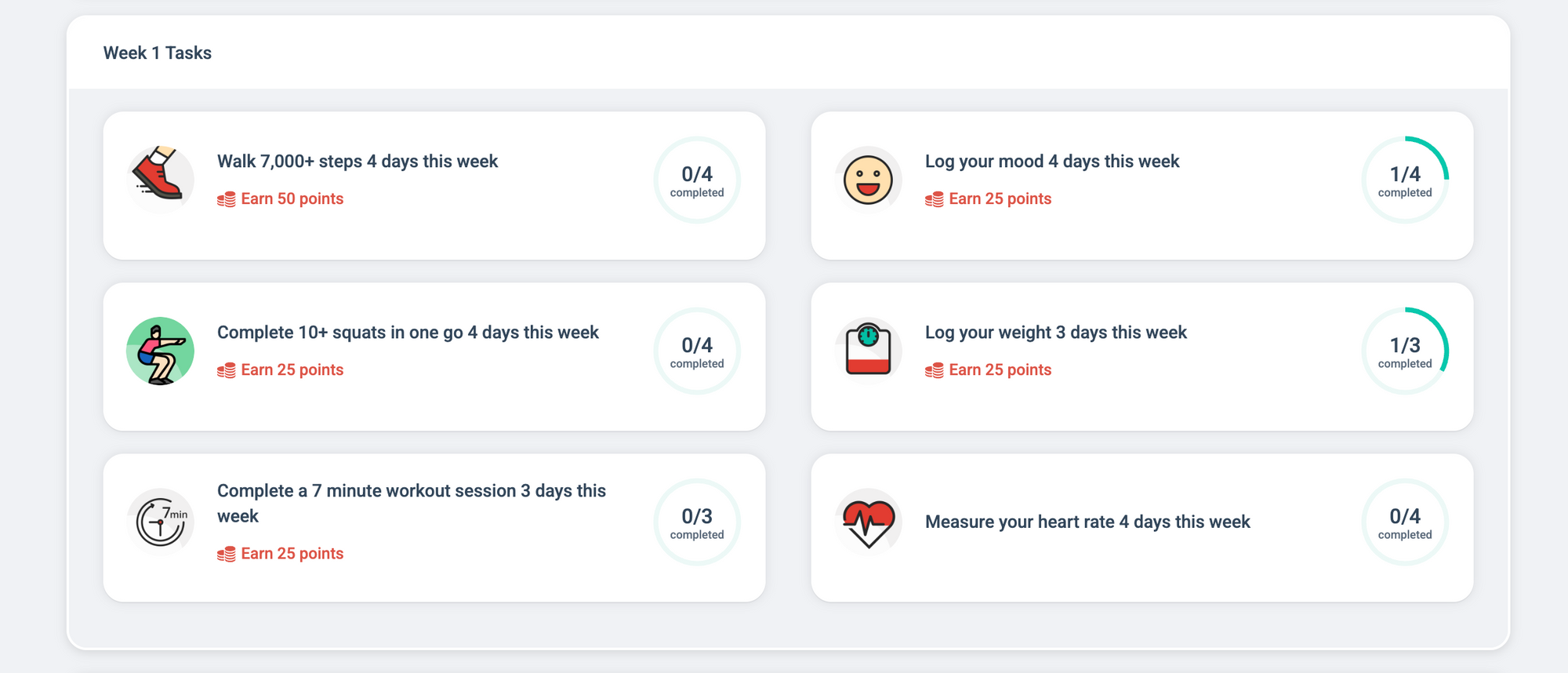
18. Healthy Habit Challenges
Category: Wellness
Best For: Teams who enjoy gamification and friendly competition and group accountability.
Why It Works: Collective wellness goals such as step challenges or hydration tracking build camaraderie and positive behavior change.
Caution: Avoid weight-focused or gym challenges. Rather focus on universal habits like movement, hydration, or gratitude.
Source: Vantage Fit
Conclusion
At the end of the day, the incentives that actually move people aren’t flashy or pricey. At times we seem to forget that workplaces are not machines made of KPIs and job descriptions. They are ecosystems made of people. People who want to feel valued.
And when people feel trusted, challenged, appreciated, and supported, their motivation isn’t something leaders have to chase; it naturally rises to meet the work. And when that emotional connection is missing, no bonus or salary bump can fill the void for long.
FAQs
1. What is a Non-monetary Incentive?
A non-monetary incentive is a reward that motivates employees through recognition, or meaningful experiences instead of direct financial rewards.
2. What is the difference between Monetary and Non-monetary Incentives?
Monetary incentives involve financial rewards like bonuses or cash, while non-monetary incentives are non-financial rewards like recognition, growth opportunities, and workplace experiences.

This article is written by Shikha Gogoi, a Content Marketing Specialist at Vantage Circle, where she has spent the past two years crafting insightful, SEO-driven content on employee engagement, recognition, and workplace culture. With a strong foundation in content strategy and storytelling, Shikha is passionate about helping HR leaders and organizations build people-first workplaces through impactful content.
Connect with Shikha on LinkedIn, or reach out to editor@vantagecircle.com for inquiries.