



Gamification in Employee Recognition: 10 Easy Ideas That Actually Work

A Global Employee Recognition and Wellness Platform
Most employee recognition programs fail. Not because the idea is wrong, but because the execution is boring, forgettable, and utterly uninspiring.
Think about your current recognition program, if you even have one. How many times this month have you seen meaningful recognition happening? How many employees can name the last time they felt genuinely appreciated at work? How often do managers actually use that recognition platform you invested in?
If you’re like most organizations, the honest answers are uncomfortable. Recognition is happening, but barely. Your platform exists, but only in theory. And your employees? Half of them can’t even remember the last time they used the platform.
But, gamification can flip that script entirely. Even better, companies using gamification in training and onboarding report significantly higher engagement and retention rates. In this blog, we’re breaking it all down for you. From why gamification works to when to use it, we’ll also give you a set of gamified employee recognition ideas you can start using right away.
So, let’s make recognition fun again.
What is Gamification in Employee Recognition?
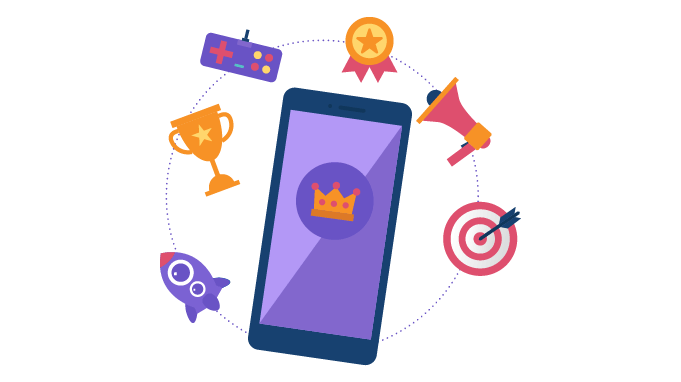
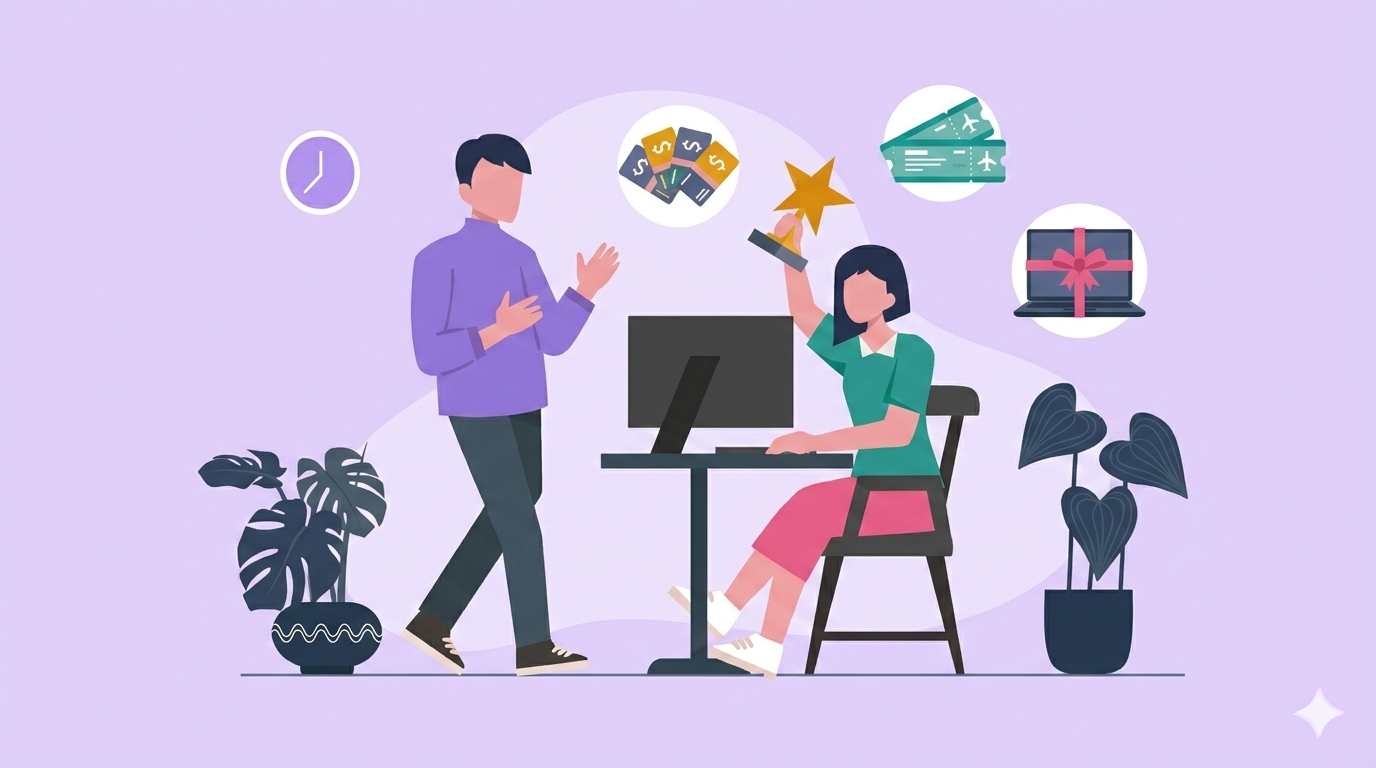
Gamification in employee recognition involves incorporating game-like elements such as points, badges, and leaderboards to make appreciation more visible, engaging, and rewarding.
Implementing gamification in recognition brings fun and playfulness into the daily grind. It effortlessly brings the elements of scoring, competition, and achievements found in games into the workplace.
This approach taps into basic human psychology that is rooted in our natural desire for recognition, competition, and accomplishment. This triggers a dopamine response in the brain reinforcing positive behavior.
To Know More. Read: How to Use Gamification in the Workplace Effectively
Examples of Gamified Recognition

Achievement Badges
Achievement badges are an effective way to acknowledge and reward accomplishments. They serve as visual tokens that represent specific milestones, skills, or successes that employees can proudly display.
Spin-to-Win Bonuses
Who doesn't love a good game of chance, especially when there's a prize on the line? "Spin-to-Win" bonuses are a prime example of this approach, adding an engaging and entertaining twist to traditional recognition methods.
Interactive Leaderboards
Interactive leaderboards gamify employee recognition by introducing elements of competition, progress tracking, and visible achievements. These digital scoreboards can be updated in real-time, showcasing the latest accomplishments and standings.
Personalized Achievement Journeys
Imagine embarking on a unique adventure tailored just for you, where every goal you set and every milestone you reach is celebrated in a way that resonates personally with you. These journeys empower employees to chart their own paths to success, setting individual goals, and tracking their progress.
Point Based Rewards
Imagine turning everyday tasks and achievements into a thrilling points-earning adventure.
Employees earn points for hitting specific goals, completing tasks, or showcasing desired behaviors. These points can be accumulated and redeemed for various rewards like gift cards or travel vouchers.
Recommended Resource: Points Based Rewards System: A Complete Guide for HRs
Why Use Gamification in Employee Recognition?
According to Research, 72% of people say gamification motivates them to do tasks and work harder.
Encourages More Frequent Recognition
One of gamification's greatest strengths is transforming recognition from an occasional event into a daily habit. By making appreciation as simple as awarding points or sending a badge, gamified systems remove the friction that often prevents managers and peers from recognizing contributions in the moment.
Encourages Desired Behavior
Gamification is a powerful tool to encourage desired behavior in the workplace. It leverages the principles of motivation and reward from games to shape how employees perform their tasks.
For instance, if you want to encourage punctuality and attendance in the workplace, you could implement a gamified attendance system. Employees could earn points for arriving on time and redeem it for rewards.
Makes Recognition Visible Across the Organization
Gamification transforms recognition from private conversations into public celebrations. When achievements are displayed on leaderboards, dashboards, or company feeds, they become visible to the entire organization. This amplifies the impact exponentially.
This visibility serves multiple purposes. It showcases role models, highlights what behaviors are valued, and ensures that great work doesn't go unnoticed.
Drives Performance through Competition
Gamification can drive performance through competition by introducing challenges and rewards that motivate employees to excel in the workplace.
For instance, offering tangible rewards or recognition to top performers can entice employees to compete for the coveted top spots. The rewards could include bonuses, gift cards, or special titles like "Employee of the Month."
Best Practices for Gamifying Recognition
1. Keep it Simple and User-Friendly
When diving into gamification for employee recognition, think about simplicity and ease of use. Aim for a straightforward approach that's easy to understand and navigate.
Remember, the primary goal is to motivate and recognize employees, not overwhelm them with complicated mechanics.
Here are some tips to keep the system simple and user-friendly:
-
Provide Clear Instructions: Offer step-by-step guides or short tutorials to help employees get started.
-
Streamline Processes: Make logging achievements and earning rewards as effortless as possible. You can do this by implementing programs that automatically track and log achievements based on predefined criteria, reducing manual input.
-
Integrate Seamlessly: Ensure the gamification platform integrates seamlessly with existing tools and workflows.
2. Focus on Recognition Not Competition
While gamification often incorporates competitive elements, it's essential to strike the right balance. The primary focus should remain on recognizing and celebrating employees.
Excessive competition can breed negativity, resentment, and unhealthy rivalries in the workplace. Instead, encourage employees to set and achieve their own goals and recognize team efforts and contributions.
Here are few ways to shift the focus towards recognition:
-
Celebrate Milestones: Acknowledge work anniversaries, completed projects, or certifications earned.
-
Peer-to-peer Recognition: Introduce programs where colleagues can acknowledge each other’s efforts. This ensures that you empower the employees and help them acknowledge each other.
-
Public Praise: Highlight employee achievements through company-wide announcements or social media shout-outs.
3. Gather Feedback and Adapt
Implementing gamification in employee recognition is a continuous process. It requires regular feedback and adjustments. What may seem like a brilliant idea initially might not resonate with employees or achieve the desired results in the long run.
Here are some of the effective ways to gather feedback and adapt your gamification strategy:
-
Conduct Periodic Surveys: Regular surveys can help you gauge employee satisfaction and engagement with the program.
-
Analyze Participation Data: Look at how employees are interacting with the gamification system. Use this data to refine and improve the program.
-
Monitor Industry Trends: Continuously monitor industry trends, best practices and be prepared to evolve your approach accordingly.
10 Gamification Ideas for Employee Recognition
1. Onboarding Quests
Transform the usually overwhelming first week of your new hires into a gamified journey with clear milestones and recognition opportunities.
Why it Works: Starting a new job is nerve-wracking. You don't know anyone, you're not sure what's expected, and you're trying desperately not to look lost. Onboarding quests give structure to the chaos. Instead of drowning new hires with information, it gives them clear objectives.
How to try it: Create a simple checklist with 8-10 onboarding milestones. Include items like "Complete HR paperwork" and "Set up your laptop," but also weave in recognition opportunities. When they hit 100%, celebrate it! Acknowledge them with a "Fully Onboarded" badge or announce it on the team channel.
2. Create Specific Value Badges
Create a set of distinctive badges, each tied to one of your company's core values. Award these badges when someone exemplifies a specific value through their actions. For instance it could be "Innovation Champion" for trying a risky new approach or "Customer Hero" for going above and beyond.
Why it Works: Value badges paired with profile showcasing completely elevate the impact of recognition. Instead of keeping company values as abstract ideas, badges turn them into concrete, visible achievements that employees can proudly display on their profiles.
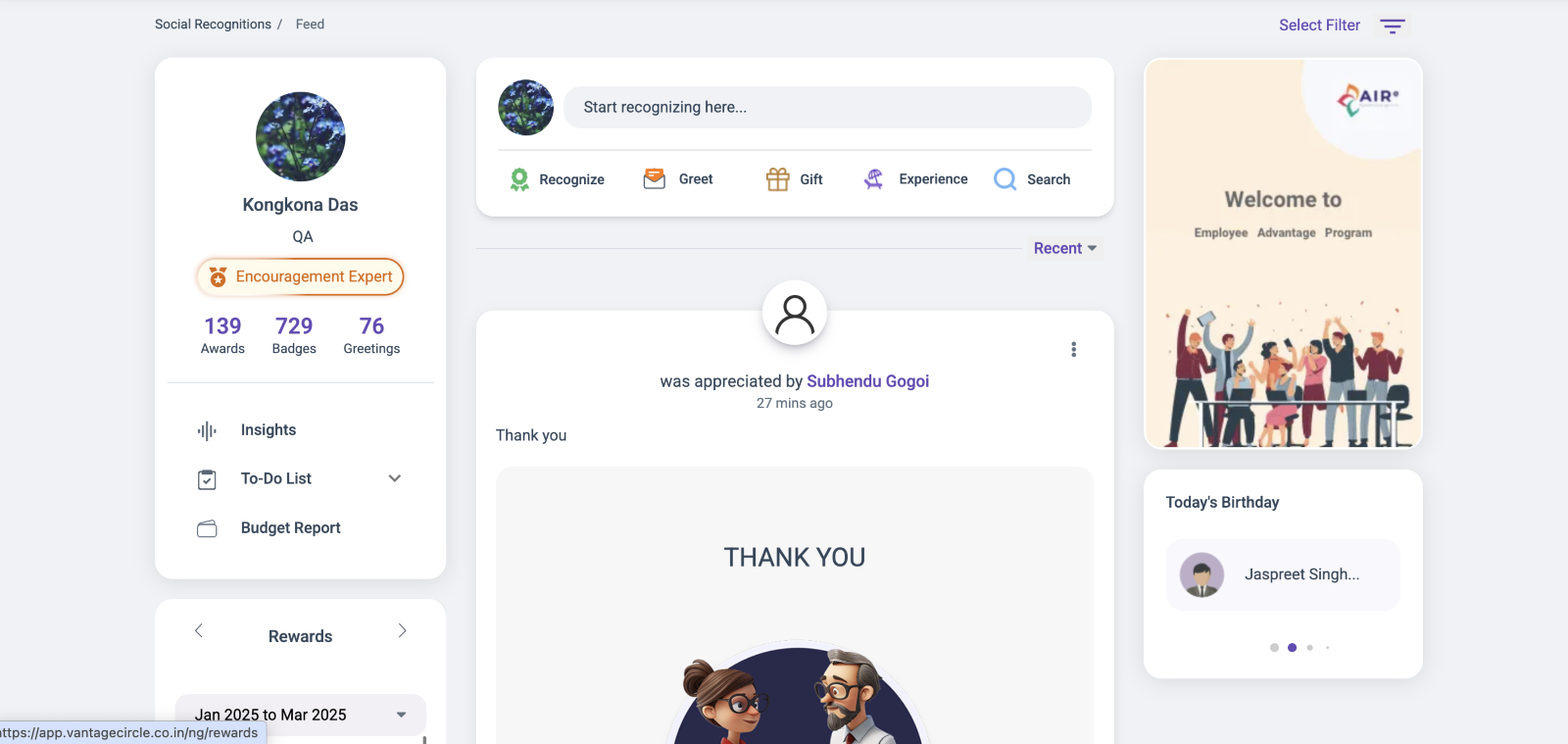
Source: Vantage Recognition
How to try it: Begin by defining 3–5 core values you want your recognition program to reinforce. Then call out exactly which value the employee showcased when acknowledging them. Keep the criteria simple and behavior-based so anyone can understand what it takes to earn one.
3. Peer Kudos Points (Reward the Recognition Givers)
Let employees earn points every time they send genuine recognition. These points can either be redeemed later for rewards or simply to show they’re someone who consistently lifts others up.
Why it Works: When people know there’s a small reward for appreciating others, they’re more likely to follow through. It’s simply a smart way to spark peer-to-peer recognition.
How to try it: Set up your recognition system so that every peer-to-peer kudos automatically awards points to the sender. Keep it simple, maybe 5-10 points per recognition. Also, prevent people from gaming this by sending tons of meaningless recognition just to rack up points.
4. Wellness Challenges with Rewards
Gamify wellness activities like tracking steps, hydration, meditation minutes, or sleep quality. Let participants earn badges and points whenever they complete these tasks.

Source: Vantage Fit
Why it Works: Wellness challenges build engagement, community, and healthier routines. It's easier to stick with a wellness goal when your colleagues are cheering you on or when you see yourself making progress and hitting milestones.
How to Try It: Start by choosing 2-4 wellness activities that feel authentic to your culture and accessible to everyone. Don't pick activities that require expensive equipment, gym memberships, or high fitness levels.
5. Monthly Sender Leaderboard

Create a leaderboard that specifically tracks and celebrates the people who give the most recognition each month. At the end of every month, reset it completely so everyone starts fresh.
Why it Works: This flips the traditional leaderboard script. Instead of rewarding the people who receive the most recognition, you're rewarding the people who make others feel valued.
Moreover, the monthly reset is crucial. It keeps the competition fresh and gives everyone recurring opportunities to be celebrated.
How to try it: Set up a visible leaderboard that shows the top recognition givers for the current month. At the end of each month, celebrate the top 3-5 people.
6. Innovation Points
A points-based system that rewards employees for submitting ideas, participating in brainstorming sessions, or contributing to innovation programs.
Why it Works: Everyone wants to feel like their ideas matter. Recognition fuels creativity and risk-taking. Even if your suggestion doesn't get implemented, you're recognized for caring enough to contribute.
How to Try It: Set up a simple idea submission system. It could be as basic as a Google Form. The key is making submissions effortless. If people need to write a 10-page proposal, you'll get zero participation.
Try to create a clear point structure. For example, 5-10 points for submitting any idea, 10-20 points for participating in brainstorming sessions or feedback rounds, and so on.
7. Spotlight Spin-the-Wheel
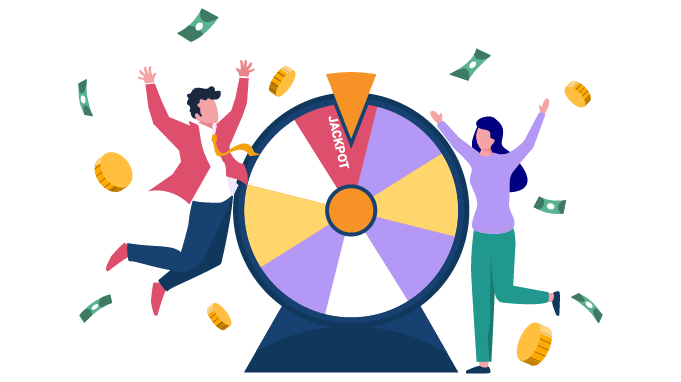
Let employees spin a virtual wheel after giving or receiving recognition to earn surprise rewards such as bonus points, rare badges, shoutouts, small perks, or just fun acknowledgments.
Why it works: Unpredictability creates excitement and anticipation. It's one reason why slot machines are addictive. Now, obviously, we're not trying to create addictive behavior in our workplace. But we can borrow the positive aspects of the variable rewards.
When recognition comes with the possibility of spinning a wheel for a bonus surprise, it adds an element of delight that keeps the system feeling fresh. Plus, the wheel does it randomly, which feels fair and removes any perception of favoritism.
How to Try It: Create a digital wheel divided into different reward "slices." The key is variety and fun, not necessarily big-ticket items. If you're doing this in a team setting, let people spin live during meetings. The communal experience of watching the wheel and celebrating what they land on adds to the fun.
8. Manager “Golden Kudos”
Managers get one special recognition token each month to award outstanding behavior. These "golden kudos" can come with extra points, a unique badge, and special visibility across the organization.
Why it Works: Regular recognition is great, but sometimes someone goes above and beyond that it deserves more than the usual shoutout.
How to try it: Design a special badge that looks distinctly premium. Name it something that carries weight. It could be "Manager's Choice," "Excellence Award," "MVP of the Month," or "Leader's Recognition." The name should signal that this is top-tier acknowledgment.
9. The Appreciation Passport
Give each employee a digital passport that gets “stamped” when they receive recognition from different departments. Let them fill their passport with stamps they have earned through cross-functional impact or collaborative reach.
Why it Works: It encourages cross-team collaboration and creates a visual map of how widely your employees' contributions ripple across the organization.
How to Try It: Set up stamps tied to departments such as Marketing, HR, Product etc. Recognize employees who fill their passport with a “Global Collaborator” badge. You can also introduce “rare” stamps that are harder to earn, like one from the CEO or executive team. These exclusive stamps add an extra layer of collectability and aspiration.
10. The Recognition Relay
A chain-reaction game where someone starts by recognizing a colleague, then challenges that person to recognize someone else within 24 hours. The relay continues as long as people keep passing it forward, with everyone involved earning special badges.
Why it Works: It turns recognition into a fun, contagious chain reaction. Furthermore, it creates visibility. Everyone can see the relay progressing, which creates momentum and excitement.
How to Try It: Kick off the relay in Slack/Teams. Track the chain. If it survives for a week, reward everyone involved with a special group badge.
Pitfalls to Avoid While Gamifying Recognition
Gamification can be incredibly powerful when done right. But it can also spectacularly backfire when done wrong. According to a survey by TalentLMS, 37% of employees feel gamification is a gimmick if not implemented thoughtfully.
1. Don't Let It Become Toxically Competitive
Competition can be motivating. But there's a thin line between healthy competition and toxic competition. The latter destroys collaboration and creates resentment.
When gamification crosses that line, you'll see the warning signs. Employees sabotage colleagues to protect their leaderboard position, people hoarding information instead of sharing it, individuals feeling anxious about their ranking, and teams fracturing into "winners" and "losers."
2. Don't Reward the Same People Every Time
Nothing kills motivation faster than a recognition system that feels rigged. When the same five people dominate every leaderboard, win every badge, and receive every spotlight, the other 95% of your workforce mentally checks out.
They look at the system and think: "Why bother? It's always going to be Sarah and Marcus at the top." And just like that, your gamification plan becomes a demotivating scoreboard.
3. Don't Overcomplicate the Rules
The more complex your gamification system, the less people will use it. I've seen companies create multi-tier badge hierarchies, and convoluted redemption systems that require a PhD to understand. The result? Adoption plummets. People don't participate in things they don't understand. And when the rules feel complicated, no one seems to bother.
4. Other Critical Pitfalls to Watch For
Forced participation breeds resentment. Keep it voluntary. If adoption is low, that's feedback about the system. Moreover, if people say the system feels unfair, listen. Don't dismiss concerns with "that's just how it works." Iterate based on what you hear.
Conclusion: Beyond Gamification
We've covered a lot of ground including badges, leaderboards, points, challenges, and all the mechanics that make gamification work. But remember the real power isn't in the system you build; it's in the genuine appreciation you foster.
So, as you implement any of these gamification ideas, never lose sight of what you're actually trying to build. The mechanics only serve that purpose; they should not replace it.

This article is written by Shikha Gogoi, a Content Marketing Specialist at Vantage Circle, where she has spent the past two years crafting insightful, SEO-driven content on employee engagement, recognition, and workplace culture. With a strong foundation in content strategy and storytelling, Shikha is passionate about helping HR leaders and organizations build people-first workplaces through impactful content.
Connect with Shikha on LinkedIn, or reach out to editor@vantagecircle.com for inquiries.