




How Do You Reward Employees for Good Attendance? Strategies, Benefits, and Best Practices

A Global Employee Recognition and Wellness Platform
Most workplaces treat reliability as a quiet expectation. You see it in the last-minute scramble when a key teammate is absent, in the subtle reshuffling of responsibilities, in the way deadlines begin to stretch under pressure. When people don’t show up, the impact simply shifts onto someone else.
And that is where the tension begins. The employees who consistently show up often become the system’s safety net. They absorb the disruption, keep projects moving, and maintain standards. Over time, that kind of invisible labor can wear thin, especially when consistency goes unacknowledged.
It is not that organizations don’t understand the importance of attendance. It is that the conversation around it has grown complicated. The question is not whether attendance matters. It is how to encourage it without reverting to outdated models of control.
This is where employee recognition enters the picture. When consistency is acknowledged through meaningful recognition, reliability becomes visible and valued. And over time, it becomes part of how a team defines itself.
Effective Strategies and Methods for Rewarding Employee Attendance
Preferential Treatment and Privileges
1. Prime Parking Spot Allocation
This visible perk gives recipients a practical advantage that saves time and effort, particularly during harsh weather conditions.
2. Early Access to New Workplace Initiatives
When your company launches something new, from wellness programs to tech tools, let high-attendance employees try them first. It will create a sense of trust and inclusion, making them feel like valued insiders whose consistency is recognized.
3. Invite-only Leadership Coffees
Reward punctuality and reliability with small, closed-circle sessions with department heads or executives. It’s a perk that blends recognition with career visibility.
4. Commute Upgrades
For in-office teams, upgrade the commute experience. It could be sponsored fuel cards, subsidized metro passes, or bike-sharing credits for those with strong attendance streaks.
Food-Based Incentives
5. Sponsored Team Luncheon with Leadership
Instead of individual meals, offer them the chance to dine with leaders in a casual setting. This reward blends food with recognition and visibility.
6. Personalized Treat Deliveries
Let employees pick from categories such as sweets, savory snacks, wellness treats and deliver a curated treat box to their desk or home.
7. Lunch Credits or Meal Wallets
Instead of a one-off reward, give employees meal credits they can use over time, either in-office cafeterias, partnered vendors, or food delivery platforms. This adds flexibility and extends the impact beyond a single day.
Monetary Rewards and Financial Incentives
8. Wellness Stipends for Consistent Attendance
Instead of cash-in-hand, offer well-being allowances like gym reimbursements, therapy support, or fitness gear credits. Employees often appreciate rewards that invest in their health.
9. Per-hour Bonuses
Employees get a chance to earn a small additional amount, say $0.25 to $1 per hour, whenever they maintain a perfect attendance week. It’s immediate, trackable, and directly tied to their effort.
10. Spot Bonuses for Critical Attendance Periods
Reward employees who maintain solid attendance with special spot bonuses during peak workflows such as audits or busy seasons. It keeps the incentive aligned with business priorities.
11. Commute Reimbursements
Reward consistent attendance with partial or full reimbursement for monthly transit passes, carpooling costs, or fuel.
Time-Off Rewards and Flexible Schedules
12. Extra Paid Time Off (PTO)
Bonus PTO is one of the most universally loved attendance rewards, but the secret lies in how you position it. Instead of a generic “extra day off,” frame it as earned rejuvenation time which they can use guilt-free.
13. Early Leave Passes
Early leave passes create anticipation and boost morale at the end of the week. They’re also one of the easiest, lowest-cost ways to reward consistent attendance.
14. Remote Work Flexibility
For many employees, especially caregivers and commuters, remote flexibility is more valuable than a cash bonus. You can offer additional remote days each month, work-from-anywhere days or remote Fridays during low-demand seasons.
15. Extended Luch Break
A 90-minute or 2-hour lunch once a week doesn’t sound revolutionary, but it feels like luxury during busy seasons. This reward works especially well in industries where breaks are traditionally rigid, because flexibility becomes the real perk.
Recognition and Public Acknowledgement
16. Commemorative Plaques or Certificates
A beautifully designed plaque or certificate can be a powerful keepsake. You can also personalize it with stories, anecdotes, or attendance streak milestones.
Some companies even create a “Reliability Wall” where names rotate each quarter, giving employees a sense of lasting imprint on the workplace.
17. Handwritten Thank you Notes
In a digital-first workplace, a handwritten note is unexpectedly powerful. It shows effort, intention, and genuine appreciation. Employees often keep these notes long after the moment has passed.
18. Spotlight Shout-outs
Recognize attendance stars in newsletters, Slack channels, or meetings. This creates visibility and encourages others to follow the same pattern.
19. Attendance Champion’ Badges
Create digital or physical badges employees can proudly showcase. They’re fun, low-cost, and add a gamified element to attendance.
Non-Cash Incentives and Perks
20. Company-branded Swag
Employees love perks they can use every day and show off. Useful, high-quality swag like hoodies, mugs, or backpacks can feel like a badge of honor. It also builds a sense of belonging while rewarding consistency.
21. Music or book Subscriptions
Offer Spotify, Audible, or Kindle subscriptions as a monthly attendance reward. It’s a small perk that employees can enjoy outside work, boosting overall satisfaction.
22. Office plants
Gift small desk plants or low-maintenance greenery for perfect attendance. It brightens workspaces and adds a wellness-forward touch.
Points Systems for Attendance
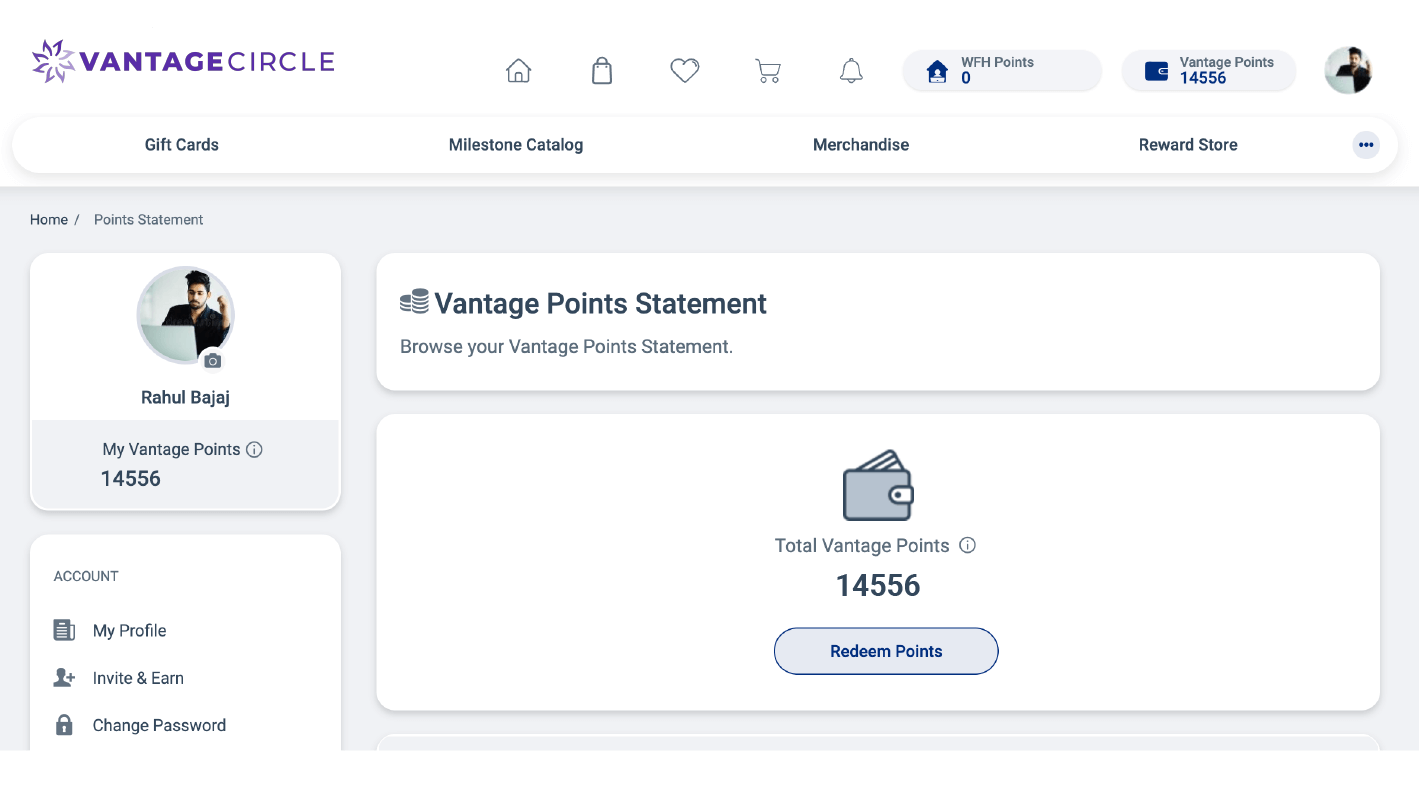
23. Earning Points for Perfect Attendance
Employees earn points each week or month they show consistent attendance. It turns attendance into a fun, trackable habit rather than a rule.
Source: Vantage Recognition
24. Tiered Recognition for Attendance Milestones
Offer bronze, silver, and gold levels based on attendance streaks. Each tier can unlock bigger rewards or special privileges.
25. Redeeming Points for Various Rewards
Employees can trade their points for perks, gifts, or experiences they actually want. This adds a sense of autonomy and personalization to the reward.

Source: Vantage Perks
Key Benefits of Implementing Employee Attendance Reward Programs
Increased Employee Motivation and Confidence
Attendance reward programs tap into fundamental psychological drivers that makes people repeat what gets recognized. And when recognition is consistent, the emotional bond deepens. Showing up every day, stops being a task and becomes a quiet form of pride.
Improved Employee Morale and Job Satisfaction
Attendance rewards celebrate those dependable employees who often go unnoticed while policy abusers slip by. Recognizing this reliability restores fairness, which employees crave. Once people link “showing up” with positive outcomes, employee morale lifts. Monthly recognition alone boosts satisfaction for 75% of employees.
Positive Impact on Organizational Productivity and Bottom Line
When people show up consistently, everything works better. Businesses with engaged employees see 78% lower absenteeism and 14% higher productivity. Considering absenteeism costs the U.S. over $225.8 billion annually, even modest improvement yields outsized returns. It’s one of the rare strategies that cuts costs and lifts performance simultaneously.
Advantages of Attendance Point Systems
The attendance point system is a visible, fair, self-managing motivator that gives more ownership. Employees know exactly how points are earned and which rewards lie ahead. This transparency reduces bias and builds trust.
Potential Drawbacks and Challenges of Attendance Reward Programs
Risk of Presenteeism
One of the most significant unintended consequences of attendance reward programs is the encouragement of presenteeism, which costs U.S. companies over 150 billion dollars a year.
This phenomenon unintentionally pushes sick employees to show up when they need rest.
Employees feeling presenteeism pressure start viewing the organization negatively and interpreting policies as a lack of care for their wellbeing. Moreover, the problem extends beyond individual health, as working while sick creates workplace epidemics.
Perceptions of Unfairness and Inconsistent Application
Employees with chronic illnesses, disabilities, caregiving responsibilities, or those who must attend medical appointments often find themselves excluded from rewards. It can make them feel undervalued and discriminated, despite their genuine commitment to their work. To avoid these perceptions of unfairness, organizations must design programs that account for legitimate absences and provide exemptions for protected leave categories.
Questionable Effectiveness of Monetary Bonuses
Cash rewards can lose their impact and seem transactional, especially when tied to something as routine as attendance. Over time, they risk overshadowing the desire to show up. Even studies have demonstrated that performance-based monetary reward undermines intrinsic motivation.
When money is tied directly to performance, people often feel controlled rather than trusted. It
can unintentionally undermine the pride and commitment of employees who already show up because they care. Over time, companies risk sending the message that reliability isn’t valued unless it’s paid for.
Legal Concerns and Compliance
Navigating the legal landscape surrounding attendance reward programs requires careful attention to multiple federal regulations that protect employee rights during necessary absences.
Let’s break down few of the legal concerns to keep in mind:
Conflict with the Americans with Disabilities Act (ADA)
People shouldn’t lose rewards because of disability-related absences. If bonuses are tied strictly to “perfect attendance,” an employer could be penalizing someone for medically necessary absences, creating a potential Americans with Disabilities Act (ADA) violation.
Therefore, organizations must ensure that accommodations don’t disqualify employees from earning rewards they would otherwise be eligible for.
Compliance with FMLA and USERRA
Employees taking legally protected leave under Family and Medical Leave Act (FMLA) for medical or family reasons, or Uniformed Services Employment and Reemployment Rights Act (USERRA) for military service, cannot be penalized for those absences. This means employers must count protected leave differently from regular absenteeism.
Prohibition of Denying Bonuses for Protected Leave
Federal law suggests that employers cannot deny bonuses, attendance rewards, or incentive pay because an employee used protected leave. Failing to do so can be seen as retaliation or discrimination.
Administrative Burden and Focus on Productivity
Managing an attendance reward program can be surprisingly demanding. HR teams must constantly track attendance, verify exceptions, review medical or legal documentation, and handle employee questions or disputes.
While they may encourage people to show up more often, attendance doesn’t always equal performance, and some employees may even come in sick just to qualify for rewards. This will ultimately hurt team output rather than improving it.
Best Practices for Effectively Rewarding Good Attendance
Develop Clear and Well-Communicated Policies
A strong attendance reward program starts with clarity. Employees should know exactly how the program works and what they need to do to qualify. You must document all program details including eligibility criteria, how points or rewards are earned, the redemption process for rewards, and timelines for earning and receiving rewards.
Share these details through multiple channels like handbooks, meetings, and email updates. Clear communication matters because, according to research, organizations that invest more in communication see 72% better adherence to policies.
Consider a Mix of Monetary and Non-Monetary Rewards
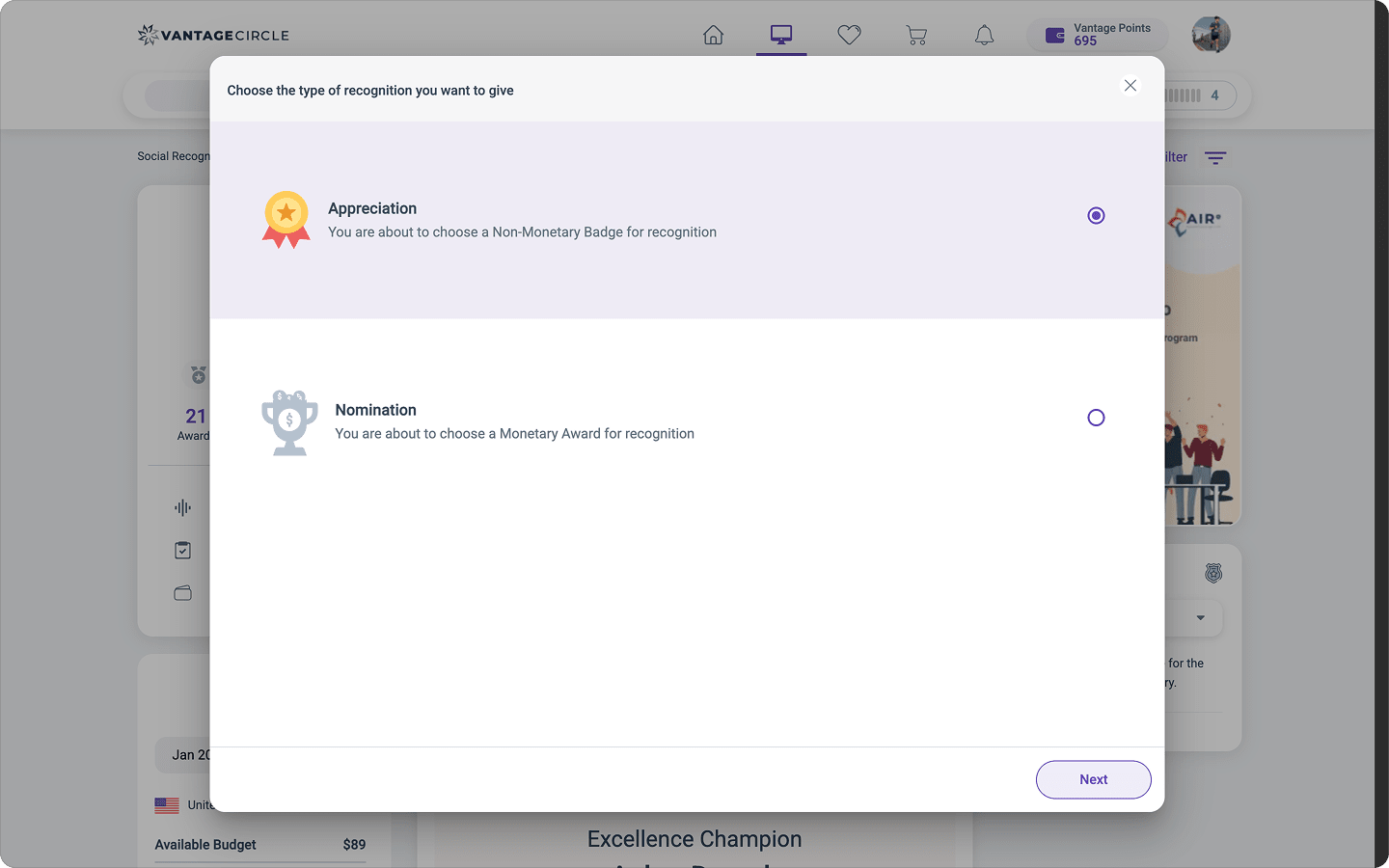
The debate between monetary and non-monetary rewards isn't about choosing one over the other, it's about understanding when and how to deploy each effectively. It is true that monetary rewards can spark interest, but non-monetary rewards often create connections.
Offering a variety of reward types gives employees the freedom to choose what fits them. Some may want the financial boost, others may prefer personal acknowledgement or experience. Together, these rewards create a system that motivates both, without losing touch.
Source: Vantage Recognition
Implement a Tiered Recognition System
A tiered recognition system gives everyone something to look forward to without overwhelming them. By breaking attendance goals into a series of achievable milestones, you keep employees engaged throughout the year and make every step feel like real progress.
For example, you can establish a bronze tier to reward 95–97% attendance, silver for 98–99%, gold for perfect attendance over a quarter, and platinum for sustained excellence over an entire year. This way people show up not just for the top reward, but for the small wins along the way. It turns consistency into a journey worth celebrating.
Ensure Fairness and Avoid Discrimination
To stay fair and compliant, organizations should clearly list all protected leave categories that don’t break eligibility. It can include FMLA, ADA-related accommodations, military leave under USERRA, jury duty, bereavement, and similar situations.
For instance, under USERRA, employees on military leave must receive the same benefits as coworkers on similar non-military leave. If your company gives perfect attendance bonuses to people who miss work for jury duty or bereavement, you must offer the same to someone on military leave.
Additionally, regular reviews can help ensure the program isn’t unintentionally disadvantaging certain groups, especially women, caregivers, or employees with chronic health needs.
Alternative Approaches to Improving Employee Attendance and Reducing Absenteeism
Flexible Work Arrangements
Flexibility is one of the strongest attendance boosters because it acknowledges the realities of an employee juggling with commutes, childcare, healthcare needs, and unexpected disruptions.
Having options like remote work, hybrid schedules, compressed workweeks, or flexible start will not only give them control over their day but also reduce logistical barriers that often lead to unplanned absences.
Balanced Workloads and Reasonable Expectations
Excessive workloads cause burnouts and absences. Today, 61% of employees experience burnout, costing $1.9 trillion annually in lost productivity (Gallup).
This is the reason why you need to review task distribution quarterly so that no team or individual is consistently overloaded. Use simple check-ins or employee pulse surveys to spot early signs of strain.
Furthermore, try to set realistic deadlines, and make sure that there is adequate staffing. When employees feel their work is manageable, they’re more energized, more reliable, and far less likely to take unplanned time off.
Investing in Employee Well-being
Attendance improves naturally when employees feel well-supported, physically, mentally, and emotionally. It is also to be noted that healthy employees take fewer sick days, recover faster from stress, and are more resilient in the face of challenges.
Therefore, offering resources like mental-health counseling, stress-management programs, ergonomic equipment, wellness stipends, or on-site fitness options helps people feel capable and cared for.
Paid Sick Days and Paid Leave
Paid sick leave is one of the simplest, most effective attendance strategies that prevents bigger problems down the line. It lets employees recover without financial fear and creates a healthier and more responsible workplace culture.
In the long run, organizations with strong paid leave policies see lower absenteeism, higher morale, and a more trustworthy workplace culture.
Clear Attendance Policies
Clear attendance policies set the tone for how an organization operates. When employees know exactly how to report an absence, whom to contact, and how attendance is tracked, it prevents misunderstanding.
A well-written policy explains acceptable reasons for absences, what documentation may be needed, and how patterns of absenteeism will be addressed. It also clarifies the process for late arrivals, early departures, and unforeseen emergencies, so employees aren’t left guessing about consequences.
Communicating these guidelines through handbooks, onboarding, and regular reminders ensures everyone receives the same message.
Conclusion
The strategies we've explored aren't rigid mandates. They're tools you can adapt to fit your team's reality. The key is to find the right balance between recognition and flexibility. Start small. Pick one or two approaches that align with your organization's values and resources. Test them. Listen to feedback and adjust as you go. The goal is to progress toward a culture where showing up feels worthwhile.

This article is written by Shikha Gogoi, a Content Marketing Specialist at Vantage Circle, where she has spent years crafting insightful, SEO-driven content on employee engagement, recognition, and workplace culture. With a strong foundation in content strategy and storytelling, Shikha is passionate about helping HR leaders and organizations build people-first workplaces through impactful content.
Connect with Shikha on LinkedIn, or reach out to editor@vantagecircle.com for inquiries.