





Self-Appraisal Comments by Employee: 120+ Examples for Your Next Performance Review (2026)

A Global Employee Recognition and Wellness Platform
Performance review season has a way of unsettling even the most confident professionals. You may have delivered strong results all year, solved problems, supported your team, and taken on new responsibilities, yet when it is time to write your self-appraisal, the words suddenly feel harder to find.
Self appraisals arent a formality or a box to tick. It is one of the few moments in your career where you get to clearly define your impact, highlight your growth, and shape how your contributions are understood. When it's well written, it becomes a powerful career document, not just a yearly requirement.
So in this guide, you will find more than 120 ready-to-use self-appraisal comments, carefully organized by skill and job role. Each example is clearly labeled as either “Positive” or “Area for Improvement” so you can adapt them easily.
You will also find a simple writing framework, a free PDF template, and a practical summary formula to help you craft a confident, well-structured review from start to finish.
Key Insights
- What Are Self-Appraisal Comments?
- How to Write Effective Self-Appraisal Comments (Step-by-Step)
- Benefits of Writing Strong Self-Appraisal Comments
- 120+ Self-Appraisal Comments by Category
- How to Write an Overall Performance Summary Comment
- Self-Appraisal Dos and Don'ts
- Free Self-Appraisal Comments Template (PDF Download)
What Are Self-Appraisal Comments?
Self-appraisal comments are written statements employees have to prepare during their performance appraisal to evaluate their own work, showcase achievements, and identify areas for growth. It gives you the opportunity to present your side of the story before your manager writes their assessment.
Companies use self-appraisals because they fill in gaps managers may not see day to day, encourage a culture of ownership, and turn one-sided evaluations into two-way dialogues. In short, your self-appraisal ensures the work you are most proud of does not get overlooked.
How to Write Effective Self-Appraisal Comments (Step-by-Step)
Follow this five-step framework to write self-appraisal comments that are specific, honest, and forward-thinking.
Step 1: Start With Data and Specific Achievements
Before you write a single sentence, gather your data. Vague claims like “I worked really hard” do not move the needle. Pull up your dashboards, project trackers, and quarterly reports. Use AI-powered competency mapping tools, to help you visualize your strengths across different skill areas before you start drafting.
Example: “I exceeded my quarterly sales target by 15%, generating $50,000 in new revenue through proactive lead generation and strategic upselling.”
Step 2: Use the STAR Framework (Situation, Task, Action, Result)
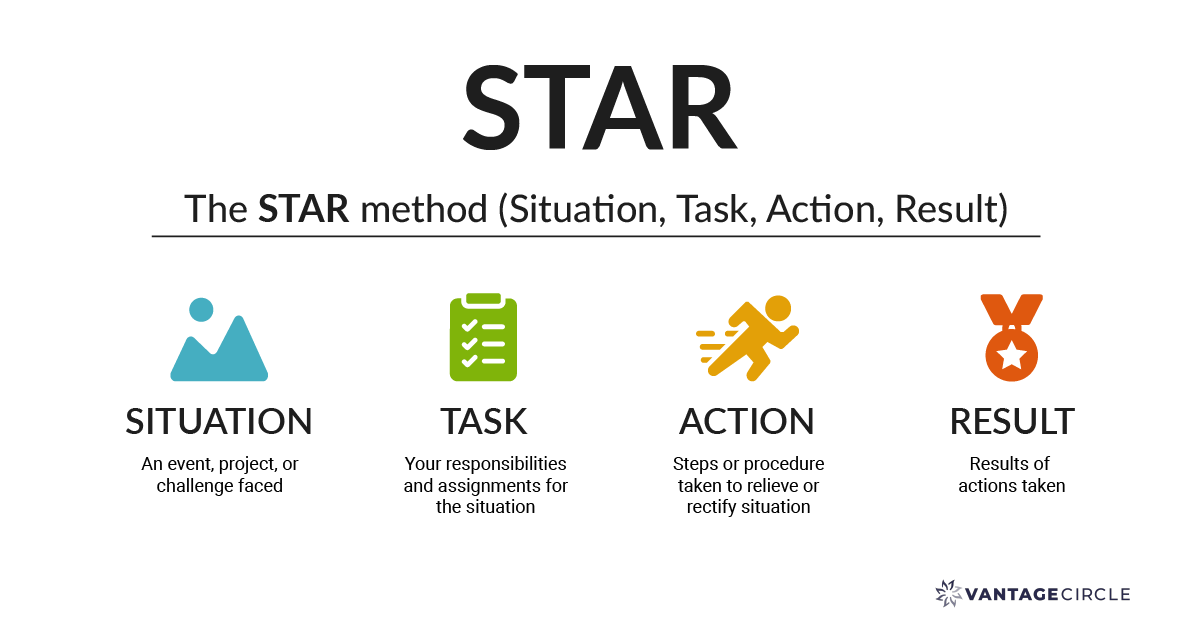
The STAR method (Situation, Task, Action, Result) transforms a flat statement into a compelling mini-story. Instead of just saying what you did, you show why it mattered. For deeper context on gathering multi-source feedback, see our guide on 360-degree feedback software.
Example: “When our team experienced a 15% drop in sprint velocity (Situation), I was tasked with identifying the bottleneck (Task). I introduced a new sprint tracking system with daily standups (Action), which resulted in a 20% faster turnaround time by Q3 (Result).”
Step 3: Balance Strengths With Growth Areas
A perfect self-appraisal is an honest record, not a perfect one. Therefore, every three or four wins, include at least one growth area. Frame improvement areas using the language of constructive feedback, specific, forward-looking, and solution-oriented.
Example: “While I have become highly proficient with our internal CMS, I recognize the need to strengthen my data visualization skills so I can present our monthly traffic reports more effectively to senior leadership.”
Step 4: Align Comments to Company Values and Goals
The most impactful self-appraisal comments draw a direct line between individual contributions and the company’s bigger picture, whether that is a specific OKR, a team initiative, or a core value.
Example: “By streamlining the new-hire onboarding process, I directly supported our company value of ‘Efficiency First,’ reducing setup time for new employees by two full business days.”
Step 5: Keep It Honest and Forward-Looking
End your self-appraisal comment by looking forward. Briefly explain how your past achievements have prepared you for what comes next.
Example: “Given my success in leading the Q4 product launch campaign, I am eager to apply these project management skills to the upcoming regional expansion initiative.”
Benefits of Writing Strong Self-Appraisal Comments
-
It shapes the direction of your career. By showcasing the projects you’re eager to take on, you’re taking control of your own growth journey.
-
It reduces manager bias. Keeping a detailed record of your contributions means that your evaluation will rely on solid facts rather than just recent memories or what you can recall.
-
It builds self-awareness. Taking a moment to reflect on your year really pushes you to face those skill gaps before someone else brings them up.
-
It facilitates better employee recognition . Some organizations let employees nominate themselves for recognition awards based on the same accomplishments highlighted in their self-appraisals. This way, strong performance gets the acknowledgment it deserves .
-
It improves future performance. Forward-looking goals create a clear roadmap for the next six to twelve months, keeping you focused and accountable.
-
It can strengthen the manager-employee relationship. When both sides come prepared, the review turns into a real conversation about growth instead of just going through the motions.
120+ Self-Appraisal Comments by Category
Below are ready-to-use self-appraisal comments by employee example, organized by skill area. Each category includes Positive comments and Areas for Improvement. Use these as a starting point and tweak the wording to reflect your own experiences.
Communication Skills
This section reflects how effective your communication skills are, how you convey ideas, and ensure clarity across teams and stakeholders, and the areas you can improve.
Positive Comments
-
“I consistently provided clear, concise updates during weekly syncs, ensuring all stakeholders stayed aligned on project timelines.”
-
“I successfully mediated a conflict between the design and dev teams, resulting in a finalized UI kit delivered two weeks ahead of schedule.”
-
"I introduced a weekly project digest email that reduced ad-hoc status requests by approximately 40%."
-
“I presented our quarterly results to senior leadership for the first time, receiving positive feedback on clarity and structure.”
-
“I documented SOPs for three critical workflows, improving knowledge transfer and reducing onboarding time for new hires.”
-
“I authored the internal comms plan for our product launch, ensuring consistent messaging across marketing, sales, and support.”
-
“I facilitated retrospective meetings that created a safe space for feedback, leading to three actionable process improvements.”
-
“I simplified client-facing reports by removing jargon and adding visual summaries, improving comprehension scores by 18%.”
Areas for Improvement
-
“I recognize I sometimes wait too long to escalate blockers. My goal is to communicate risks proactively as soon as they arise.”
-
“I plan to improve how I tailor my communication for different audiences, especially when presenting technical details to non-technical stakeholders.”
-
“I want to become more concise in written communications, especially longer emails, to help readers get to the key message faster.”
-
“I aim to participate more actively in team discussions and share my perspective earlier rather than only when directly asked.”
Job Performance & Productivity
This section highlights the measurable impact you created through your work and results and the areas you can improve.
Positive Comments
-
“I maintained a 98% accuracy rate in financial reporting throughout the fiscal year, exceeding the department benchmark of 95%.”
-
“I took on 20% more project load during the team transition without sacrificing quality or missing a single deadline.”
-
“I closed 35 support tickets per week on average, exceeding the team target of 28 while maintaining a satisfaction score above 4.5/5.”
-
“I automated our monthly data reconciliation process, reducing manual effort from 12 hours to under 2 hours per cycle.”
-
“I delivered all five major project milestones on time and within budget, contributing to the department’s 100% on-time delivery record.”
-
“I reduced the error rate in our data entry process by 22% after implementing a double-verification workflow.”
-
“I streamlined our weekly reporting process from four hours to 45 minutes by building a semi-automated dashboard.”
-
“I contributed to a 15% improvement in team output by identifying and eliminating three redundant approval steps.”
Areas for Improvement
-
“I am working on reducing time spent on admin tasks by adopting more automation tools and batching similar activities.”
-
“I want to improve how I prioritize tasks when multiple high-priority requests arrive simultaneously.”
-
“I tend to over-perfect deliverables. I am working on recognizing when something is good enough to move forward.”
-
“I plan to set clearer daily priorities each morning to reduce context-switching and maintain focus on high-impact work.”
Reliability & Accountability
This section demonstrates how consistently you honor commitments, take ownership of outcomes, and build trust through dependable execution and the areas where you can improve.
Positive Comments
-
“I met 100% of my committed deadlines this year, including two projects where timelines were compressed mid-stream.”
-
“I proactively flagged a potential budget overrun in Q2 and worked with finance to reallocate resources before it became a problem.”
-
“I took full ownership of the post-launch bug fix process, personally tracking every issue to resolution with daily status updates.”
-
“When a teammate was unable to complete a critical deliverable, I stepped in and ensured the project stayed on schedule.”
-
“I consistently followed through on commitments made during team meetings, which my manager noted as a key strength.”
-
“I implemented a personal tracking system that helped me maintain zero overdue tasks across all my projects.”
-
“I volunteered to own the compliance audit preparation, completing all documentation two weeks early with zero revisions.”
Areas for Improvement
-
“I occasionally overcommit to multiple stakeholders. I am learning to be more realistic about my bandwidth and set clearer expectations.”
-
“I want to improve how quickly I acknowledge receipt of new assignments so requesters are never left waiting.”
-
“I plan to build more buffer time into project estimates to account for unforeseen blockers.”
Innovation & Creativity
This section showcases how your ideas, and creative thinking drove meaningful improvements and measurable growth, and the areas you can improve.
Positive Comments
-
“I introduced a silent ideation brainstorming format that led to three viable product feature ideas for the 2026 roadmap.”
-
“I redesigned our client intake form with smart logic, increasing completion rates by 12%.”
-
“I proposed and piloted a peer-review process that improved first-draft quality scores by 18%.”
-
“I repurposed webinar content into a blog series, generating 5,000+ additional organic visits with minimal extra effort.”
-
“I designed a self-service troubleshooting guide that deflected 25% of common support tickets in its first month.”
-
“I A/B tested email subject lines, improving open rates by 11% and click-through rates by 7%.”
-
“I created a reusable project template that reduced setup time by 30% and has been adopted by two other departments.”
-
“I led a hackathon Friday initiative that produced two process improvements now in active use.”
Areas for Improvement
-
“I aim to contribute more actively to cross-departmental innovation workshops and bring forward at least two ideas per quarter.”
-
“I want to dedicate more time to exploring emerging tools and technologies in my field.”
-
“I sometimes hold back unconventional ideas. I want to share more freely and trust the brainstorming process.”
-
“I plan to document and share my creative experiments more consistently so the team can learn from them.”
Teamwork & Collaboration
This section highlights how you contributed to team success by strengthening collaboration, communication, and collective performance and your areas of improvement.
Positive Comments
-
“I actively mentored two junior team members, helping them reach full productivity within their first 60 days.”
-
“I led the cross-functional task force for our product launch, coordinating marketing, engineering, and customer success.”
-
“I consistently shared my workload with teammates during peak periods, helping the team meet its year-end deadline.”
-
“I initiated bi-weekly knowledge-sharing sessions that improved team-wide familiarity with our analytics tools.”
-
“I stepped in to cover critical deliverables during a colleague’s medical leave, ensuring no disruption to client timelines.”
-
“I created a shared resource library on our internal wiki now used by 80% of the team weekly.”
-
“I collaborated with customer success to create a joint at-risk account playbook, improving retention by 10%.”
Areas for Improvement
-
“I want to be more proactive about seeking input from colleagues outside my immediate team, especially early in projects.”
-
“I recognize the need to build stronger working relationships with teams in other offices and time zones.”
-
“I plan to volunteer for more cross-functional projects to broaden my perspective and internal network.”
Leadership & Initiative
This section reflects how you step forward, guide others, and take proactive action to drive team performance and long-term growth and the areas you can improve.
Positive Comments
-
“I led my team through a major restructuring, maintaining morale and achieving a 95% retention rate during the transition.”
-
“I introduced quarterly career development one-on-ones with each direct report, resulting in two internal promotions this year.”
-
“I established clear decision-making frameworks that empowered my team and reduced approval bottlenecks by 30%.”
-
“I identified underperformance early in Q2, created a structured improvement plan, and saw the team member exceed targets by Q4.”
-
“I championed a flexible work policy that improved engagement survey scores by 15 points.”
-
“I organized a department-wide skills audit that helped leadership make more informed training investment decisions.”
-
“I coached a high-potential team member through a stretch assignment that prepared them for a promotion this year.”
Areas for Improvement
-
“I am improving how I delegate complex tasks. My tendency to stay closely involved can sometimes limit my team’s autonomy.”
-
“I want to develop stronger real-time feedback skills rather than saving observations for formal review cycles.”
-
“I plan to seek formal leadership development opportunities such as coaching certifications in the coming year.”
Customer Orientation
This section highlights how effectively you prioritize customer needs, strengthen relationships, and drive retention through proactive support and the areas you can improve.
Positive Comments
-
“I maintained a 4.9/5 CSAT score by focusing on first-call resolution and personalized follow-ups.”
-
“I created a template library for our 20 most common queries, reducing average response time by 30%.”
-
“I identified a recurring onboarding pain point and worked with the product team to resolve it, reducing churn by 8%.”
-
“I developed a customer feedback loop that surfaced actionable insights to the product team bi-weekly.”
-
“I de-escalated 15 high-severity complaints, retaining all 15 accounts and converting three into active promoters.”
-
“I conducted quarterly business reviews with our top 10 accounts, identifying $200K in expansion opportunities.”
-
“I built a customer health scoring model that helped our team prioritize at-risk accounts 30 days earlier.”
Areas for Improvement
-
“I want to get better at anticipating customer needs before they arise, rather than reacting after issues are reported.”
-
“I plan to deepen my understanding of our customers’ industries so I can offer more consultative support.”
-
“I need to follow up more consistently after issue resolution to ensure full customer satisfaction.”
Growth & Professional Development
This category captures your commitment to continuous learning and professional growth, and areas you can improve.
Positive Comments
-
“I completed three professional certifications this year to stay current with industry best practices.”
-
“I completed an advanced data analytics course and immediately applied it to improve our quarterly reporting.”
-
“I attended two industry conferences and shared key takeaways with my team through structured knowledge-transfer sessions.”
-
“I identified a gap in my public speaking skills and joined an internal presentation workshop to address it.”
-
“I transitioned from an IC role to managing a small team mid-year and delivered all team objectives in the first quarter.”
-
“I volunteered to own an unfamiliar product area and successfully shipped two features by end of quarter.”
-
“I sought out a mentor in senior leadership and had monthly conversations that clarified my long-term career goals.”
Areas for Improvement
-
“I want to be more intentional about setting quarterly learning goals rather than pursuing development only when it comes up organically.”
-
“I plan to strengthen my data visualization and storytelling skills, which I have identified as a key gap for career progression.”
-
“I aim to read at least one industry-relevant book or report per month to stay ahead of trends in my field.”
Interpersonal Effectiveness
This section reflects how well you build interpersonal skills, navigate relationships, and contribute to a respectful, collaborative team environment and areas where you can improve.
Positive Comments
-
“I built strong working relationships with stakeholders across four departments, making cross-functional collaboration faster.”
-
“I received consistent positive feedback in 360-degree reviews for being approachable, supportive, and responsive.”
-
“I contributed to a positive team culture by organizing monthly informal check-ins and publicly celebrating wins.”
-
“I navigated a sensitive personnel issue with discretion and empathy, maintaining broader team trust.”
-
“I adapted my working style to collaborate effectively with a new team that had a very different communication culture.”
-
“I resolved a long-standing tension between two team members by facilitating an open conversation.”
-
“I was selected by peers to represent our team in the company’s employee culture committee.”
Areas for Improvement
-
“I want to work on being more patient under pressure and ensuring my tone stays constructive when timelines are tight.”
-
“I aim to become more comfortable receiving critical feedback without becoming defensive.”
-
“I plan to make a more deliberate effort to include quieter team members’ perspectives in group discussions.”
Time Management & Organization
This section demonstrates how well your time management skills are, how you manage priorities, and create systems that drive consistent results and the areas you can improve.
Positive Comments
-
“I delivered all project milestones on or ahead of schedule using a personal time-blocking system.”
-
“I restructured our sprint planning process, reducing scope creep by 25% and improving on-time delivery to 94%.”
-
“I managed three concurrent projects across departments while maintaining quality on all deliverables.”
-
“I reduced meeting time by 30% by auditing recurring meetings and converting non-essential ones to async updates.”
-
“I delivered a complex audit report two weeks early by breaking it into daily milestones.”
-
“I batch-processed administrative tasks, freeing up approximately five hours per week for strategic work.”
-
“I built a shared project timeline that improved visibility and reduced scheduling conflicts by 35%.”
Areas for Improvement
-
“I tend to underestimate time for complex analytical tasks. I am building buffer into my estimates.”
-
“I am working on saying no more effectively to non-essential requests to protect high-impact time.”
-
“I want to reduce reactive mode time by dedicating the first two hours of each day to proactive strategic work.”
Problem-Solving & Critical Thinking
This section highlights your ability in problem solving, analyzing challenges thoughtfully, making sound decisions, and implementing solutions that create measurable impact and the areas you can improve.
Positive Comments
-
“When our primary vendor had a supply chain disruption, I onboarded an alternative supplier, preventing a two-week delay.”
-
“I conducted a root cause analysis on billing errors and implemented a validation check that reduced discrepancies by 85%.”
-
“I developed a troubleshooting decision tree that reduced escalation rates by 22% in its first month.”
-
“I identified a CRM data integrity issue causing inaccurate reporting and coordinated with IT to resolve it within 48 hours.”
-
“I analyzed three months of churn data to identify the top three cancellation reasons, informing our Q4 retention strategy.”
-
“I created a vendor risk assessment framework now used as the standard evaluation tool across procurement.”
-
“I identified a cost-saving opportunity by benchmarking SaaS spending, resulting in $15,000 in annual savings.”
Areas for Improvement
-
“I sometimes jump to solutions before fully understanding the problem. I am spending more time on diagnosis first.”
-
“I plan to seek input from teammates with different expertise to strengthen my multi-perspective analysis.”
-
“I want to develop a more structured approach to documenting lessons learned after major problem resolutions.”
Self-Appraisal Comments by Role
Different roles call for different language. Here are tailored self-appraisal comments by employee example for four common job functions.
For Customer Service Employees
-
“I maintained a 4.9/5 CSAT score by focusing on first-call resolution and following up within 24 hours.”
-
“I created a response template library that reduced average handle time by 30% across the team.”
-
“I identified a recurring complaint pattern and escalated it to the product team, reducing related tickets by 45%.”
-
“I handled 60 customer interactions daily while maintaining a 96% quality score, above the 90% target.”
-
“I de-escalated 15 high-severity complaints, retaining all accounts and converting three into promoters.”
-
“I trained four new agents on our ticketing system, reducing their ramp-up time by two weeks.”
-
“I contributed to a 20% reduction in average response time by optimizing ticket routing rules.”
-
“I developed a customer feedback summary that surfaced actionable insights to the product team bi-weekly.”
-
“I plan to improve my ability to handle technical escalations independently by completing advanced product training.”
-
“I want to anticipate customer needs more proactively rather than reacting after issues are reported.”
For IT & Technical Roles
-
“I optimized legacy database queries, resulting in a 40% improvement in application load speeds.”
-
“I led the cloud migration with zero downtime, completing the project two weeks ahead of timeline.”
-
“I implemented automated testing for our CI/CD pipeline, catching 25% more bugs before production.”
-
“I reduced server costs by 18% by auditing cloud resource allocation and eliminating unused instances.”
-
“I resolved 95% of infrastructure tickets within SLA, exceeding the team benchmark of 85%.”
-
“I deployed a monitoring dashboard that reduced mean time to detection from 45 minutes to under 10 minutes.”
-
“I authored technical documentation for three system integrations, now the standard reference for engineering.”
-
“I led a security audit that identified and patched four medium-severity vulnerabilities.”
-
“I need to improve how I communicate technical concepts to non-technical stakeholders during project updates.”
-
“I am improving my documentation habits for ad-hoc fixes that may need to be referenced later.”
For Managers & Team Leads
-
“I onboarded and integrated five new team members, all of whom met their 90-day performance milestones.”
-
“I led my team to 110% of our annual revenue target through improved pipeline management and weekly forecasts.”
-
“I implemented bi-weekly one-on-ones and quarterly reviews, resulting in a 20-point improvement in engagement scores.”
-
“I managed a cross-functional team of 12 for a product launch, delivering on time and 5% under budget.”
-
“I developed a succession plan for two critical roles, ensuring business continuity and reducing key-person risk.”
-
“I restructured team responsibilities to align with individual strengths, improving productivity by 15%.”
-
“I addressed a performance issue early, creating a plan that led to measurable improvement within 60 days.”
-
“I secured budget approval for a professional development program that benefited all eight team members.”
-
“I need to better balance strategic planning with operational demands—I sometimes get pulled too deeply into execution.”
-
“I want to have difficult performance conversations earlier rather than waiting for formal review cycles.”
For Sales Professionals
-
“I exceeded my annual revenue target by 18%, closing $1.2M in new business through strategic account targeting.”
-
“I developed a new outreach sequence that improved cold email reply rate from 3% to 9%, generating 40+ qualified leads monthly.”
-
“I maintained a pipeline of 60+ qualified opportunities throughout the year, ensuring consistent quarter-over-quarter growth.”
-
“I closed the company’s largest enterprise deal of the year, a $350K annual contract, through consultative selling.”
-
“I improved my discovery-to-demo conversion rate from 40% to 62% by refining qualification questions.”
-
“I collaborated with marketing to develop three case studies from my accounts, now used by the broader sales team.”
-
“I expanded existing account revenue by 22% through proactive upselling and quarterly business reviews.”
-
“I mentored two new sales reps through their first quarter, helping both exceed ramp targets ahead of schedule.”
-
“I want to improve forecasting accuracy, which was off by 12% on average. I plan to adopt a more structured deal-stage methodology.”
-
“I need to strengthen my knowledge of the competitor landscape to handle late-stage objections more confidently.”
How to Write an Overall Performance Summary Comment
Your overall performance summary brings together your top achievements into a single, cohesive paragraph. This is likely the most crucial self-appraisal comment you'll write, as it's the statement your manager could easily reference in just 30 seconds.
Overall Summary Template
“Over the past year, I have focused on [Core Goal]. By [Action 1] and [Action 2], I have achieved [Major Result], contributing to the company’s [Company Value or Goal].”
5 Overall Summary Examples
Example 1
“Over the past year, I focused on enhancing our digital presence. By leading the website redesign and fine-tuning our SEO strategy across more than 200 pages, I was able to boost our organic traffic by 40% and enhance lead quality by 25%. This effort played a significant role in our pursuit of becoming a market leader.”
Example 2
“This year, I really focused on making our customer support more efficient. By rolling out a new ticketing system and crafting over 30 response templates, I was able to cut down our average resolution time by 35%. This effort truly aligns with our commitment to putting customers first!”
Example 3
“My main goal was to create a high-performing sales team. By bringing on board three top-notch performers, setting up structured coaching, and fine-tuning our pipeline process, we managed to surpass our annual revenue target by 20%.”
Example 4
“I concentrated on strengthening data infrastructure. By spearheading the cloud migration and streamlining our reporting processes, I was able to slash system downtime by 60% and halve the time it takes to generate reports. This really bolstered our dedication to making decisions based on data.”
Example 5
“I really focused on boosting collaboration across different teams. By rolling out a shared project management framework and hosting monthly alignment sessions, I managed to cut down miscommunications by 40%, which helped us get to market faster.”
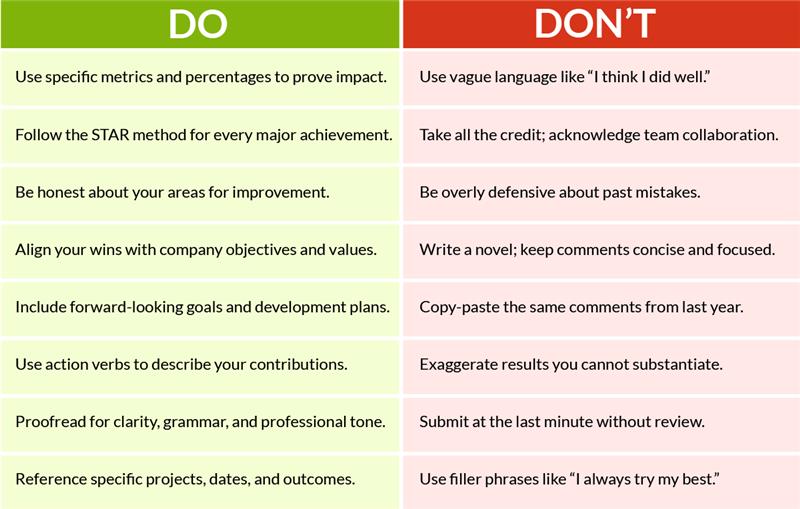
Self-Appraisal Dos and Don’ts
Free Self-Appraisal Comments Template (PDF Download)
Writing your review later tonight? Keep these 120+ examples in your back pocket. Grab the PDF version so you can reference it whenever you’re ready to draft. Download Free Self-Appraisal Comments Template
Frequently Asked Questions
How do I write an appraisal comment for myself?
To write an appraisal comment for yourself, identify your key achievements and match each with specific data. Use the STAR framework (Situation, Task, Action, Result) to structure your comments. Include both strengths and development goals so your appraisal reads as balanced and self-aware.
What are good self-appraisal examples?
Good self-appraisal examples are specific and measurable. “I reduced department overhead by 10% by renegotiating vendor contracts” is far more effective than “I saved the company money.” The best examples link a personal action to a tangible business outcome.
What are good appraisal comments examples?
When it comes to writing effective appraisal comments, it's all about pairing a specific action with a measurable outcome. For instance, saying “I implemented a ticket routing system that cut response time by 25%” is impactful because it clearly states what was done and the difference it made. The best comments really tie the results back to a team or company objective.
What are my top 3 areas of improvement?
When it comes to areas for improvement, three key points often come up: (1) time management, finding ways to streamline workflows and hit those deadlines; (2) cross-functional communication, enhancing collaboration between different departments; and (3) technical upskilling, picking up new tools to boost efficiency.
Conclusion
Writing your self-appraisal does not have to be a struggle. With over 120 self-appraisal comments from employees included in this guide, you can easily craft a document that showcases your hard work, growth, and potential.
Make sure your comments are well-rounded, backed by data, and in sync with your team’s objectives. If you want to dive deeper into mastering the review process, check out our guides on performance reviews and 360-degree feedback .

Shaoni Gupta is a content marketing specialist at Vantage Circle, with expertise in scriptwriting and copywriting in the field of employee rewards and recognition. As a writer, she specializes in creating insightful stories and blogs focused on elevating the employee experience and driving meaningful workplace conversations.
Connect with Shaoni on LinkedIn and X, or reach out to editor@vantagecircle.com for inquiries.