




The Real Disadvantages of Working from Home (And How Leaders Can Fix Them) (2026‑27 Edition)

A Global Employee Recognition and Wellness Platform
You roll out of bed, swap your pajamas for something presentable, grab your coffee, and your “commute” is basically just a few steps to your laptop. No traffic, no rush, just log in and go. Sounds dreamy, right? In the beginning, it really is.
But after a few months, you start noticing little things, the kind that makes you wonder about the disadvantages of working from home. Your team’s energy feels off, that quick idea you’d normally toss across the desk never gets shared, and even your most reliable performers seem quieter than usual.
Working from home isn’t just about comfort and flexibility. It’s about keeping people connected and motivated when there are no coffee breaks, hallway chats, or lunches together and let’s be honest, that can get messy.
The truth is - remote work solves a lot of problems, but it quietly creates new ones. Burnout creeps in, collaboration slows, top performers feel invisible, and productivity starts to swing unpredictably.
As Satya Nadella puts it-
The next decade of work will be defined by “the balance between productivity and employee well-being.”
And that balance? It’s exactly what can make or break a remote team.
Well, we’re not here to scare you with all the problems of remote work; we simply want to show you solutions and opportunities.
This guide will help you take the hidden frictions of remote work and turn them into a team that’s not just productive, but energized, connected, and thriving.
The Real Disadvantages of Working from Home
1. Isolation and Loneliness - More Than Just Missing Coffee Chats

We all remember why remote work felt amazing at first: no commute, more control over the day, and fewer office politics. But here’s the twist - many employees remain productive while feeling quietly lonely.
Studies show that people who work remotely most of the time are significantly more likely to feel isolated. In fact, around 25% of remote workers report feeling lonely every day, noticeably higher than their in-office peers.
This isolation is often reinforced by invisibility. Without regular face-to-face interactions, employees miss out on the informal moments where recognition naturally happens. The Recognition Effect report by Great Place To Work found that nearly 30% of employees still feel unseen at work, a gap remote setup can quietly widen.
And it’s not just about “missing coworkers.” Over time, this combination of loneliness and feeling unseen has real workplace consequences - higher disengagement, increased stress, lower morale, and a greater likelihood of employees considering quitting.
What leaders can do:
Turn social interaction into a people strategy, not just a fun add‑on:
-
Create “human” touchpoints - not just meetings with agendas, but short, unscripted check‑ins.
-
Pair team members from different groups, so cross‑team relationships happen naturally.
-
Hold “virtual open door” hours where people show up to talk about anything but work.
Connection shouldn’t be by accident anymore; it has to be intentional.
2. Collaboration Problems - When Quick Questions Become Day‑Long Delays
Remote work tools are great, until they’re not. The spontaneous team synergy that happens when people are near each other - sharing quick thoughts, overhearing ideas - just vanishes.
Research highlights that around 30% of remote workers struggle most with communication challenges because so much gets lost without real‑time interaction.
In an office, you’d bump into someone, ask five seconds of a question, and keep moving. At home, that turns into an async thread, several messages, and waiting for a response, and sometimes the context gets lost in transition.
Leadership moves that help:
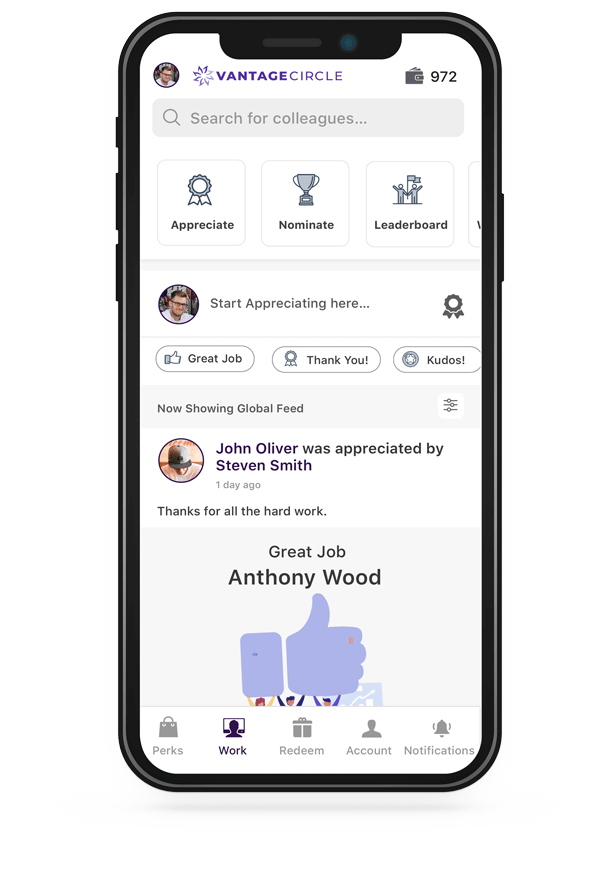
- Build real spaces (digital or hybrid) for work, where you can work alongside people, not just talk at them. All-in-one platforms like Vantage Circle help embed collaboration, recognition, and engagement into how work actually happens.
-
Document decisions so no one has to search for the context later.
-
Keep meetings short and sync points meaningfully, so collaboration feels alive, not scheduled.
3. Blurred Boundaries & Burnout - The “Never‑Off” Workday

If someone told you that working from home could extend your workday, most leaders would laugh. But that’s exactly what many people are experiencing.
Surveys find that a striking 81% of remote workers check email outside regular hours, and almost half frequently work beyond their normal schedule.
This isn’t about dedication; it’s about the brain never really disconnecting.
This leads to fatigue, stress, and eventually burnout - the kind that slowly builds until you barely notice it, until it’s too late.
How leaders can help:
-
Establish norms where you expect people to stop checking work at night.
-
Try daily “quiet hours” where no meetings or work pings happen.
-
Encourage rituals that signal the end of the workday, anything that’s psychological, not just physical.
Remember, boundaries aren’t hierarchy; they’re health signals for your team’s sustainability.
4. Home Distractions - The Not‑So‑Silent Productivity Killer
Pets, doorbells, kids, home chores ... life keeps happening even while people work. And these interruptions don’t just delay work; they break focus in a way that’s hard to recover from.
Nearly one‑third of remote employees report that household distractions directly interfere with their productivity.
This kind of switching between work and distraction might seem harmless, but it adds up mentally over the day.
Solutions that actually work:
-
Encourage “focus blocks” where everybody signals they’re in deep work.
-
Support home‑office setups even if it’s a simple gear or budget for basics.
-
Be flexible. Some people do their best work outside the typical 9–5.
The idea here is to design flexibility into your teamwork. Don’t fight with life’s interruptions, work with them.
5. Tech, Ergonomics & Security... Not Just Back Pain but Real Operational Risk

A casual home setup (like a basic swivel chair) isn’t designed for long, focused work. And a shaky home Wi‑Fi with no enterprise security? That’s a risk your tech team will feel before you do.
In one report, nearly 80% of remote workers said they don’t get help setting up a productive workspace, and only a tiny fraction receives a stipend or support for ergonomic gear.
It’s not just about comfort. Poor ergonomics leads to fatigue and physical strain. Weak home security practices lead to potential breaches, and that’s an organizational issue, not just a personal one.
Leadership actions:
-
Provide or reimburse ergonomic chairs, monitors, noise‑canceling headphones.
-
Build security training into your remote operating model, not as a box to check, but as a culture.
-
Treat home setup support for health and safety, not perk.
When employees are comfortable and safe, performance improves predictably.
6. Career Growth & Visibility - The Remote “Haze” Problem
One of the sneakiest downsides of working from home? People start feeling invisible.
Even when someone is doing their best, remote workers often feel like their achievements aren’t truly seen. Over time, this contributes to slower promotions, fewer stretch assignments, and even feelings of being left out of leadership opportunities.
Research shows that a significant chunk of remote workers feel career advancement is harder when working from home, partly because mentorship and informal visibility go down.
It’s not about ability but about presence bias: people in offices get those “pop‑by” moments, on‑the‑spot opportunities, or simply more chances to bond with the leaders.
What to do:
-
Make performance outcomes central, not their proximity or availability.
-
Build development conversations into 1:1s with real follow‑ups.
-
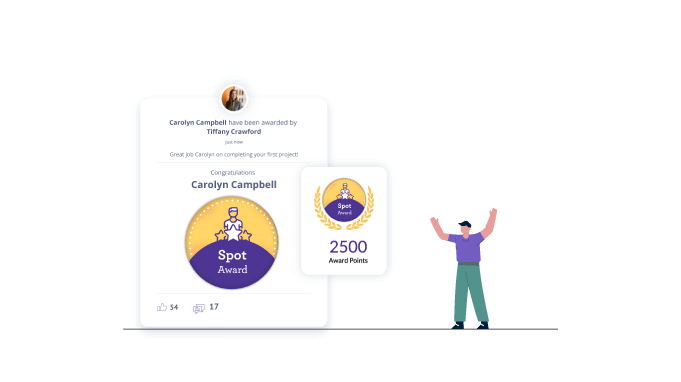
Make employee spotlights public. Don’t wait for annual reviews for recognition.
Credits: Vantage Recognition
In short, remote careers shouldn’t be a whisper; they should be visible and celebrated.
7. Productivity Variability - It’s Not Uniform Across All Workers
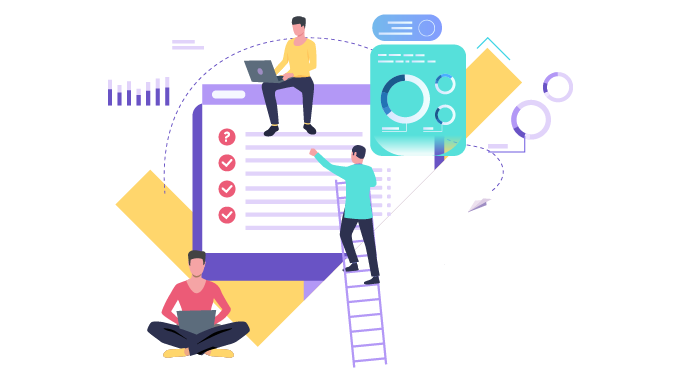
Here’s the paradox: remote work can boost productivity on average, but it also introduces variability.
Some people thrive. Some struggle. Some bounce between modes weekly. That’s normal, but it’s also a leadership puzzle. In many reports, teams say communication friction, motivation dips, and uneven output are among the top remote challenges.
Productivity isn’t just about hours worked. It’s about focus, alignment, tools, and support.
How leaders can normalize performance:
-
Set clear weekly priorities with outcomes.
-
Use transparent goals and dashboards, not surveillance.
-
Coach often, check for barriers, not just tasks.
-
Treat dips as signals, not failures.
The aim isn’t uniformity. It’s clarity and support that helps everyone succeed.
Before wrapping up, it’s worth noting that these challenges aren’t just theoretical. Several organizations have already adjusted their remote-work strategies after seeing its limits in practice.
Starbucks, for example.
Starbucks increased its in-office requirement for corporate employees from three to four days a week, citing the need to rebuild collaboration, culture, and performance. The shift reflects a broader recognition that prolonged remote work can weaken team cohesion and alignment.
JPMorgan Chase is another example here.
JPMorgan Chase enforced a full return-to-office mandate, with CEO Jamie Dimon openly stating that remote work weakens collaboration, mentorship, and on-the-job learning. The move reflects leadership concerns that prolonged work-from-home setups reduce visibility, slow decision-making, and hinder career development - especially for early-career employees.
Conclusion: Remote Isn’t Going Away, But Old Habits Should
Remote work is here to stay. Its benefits: autonomy, flexibility, and inclusivity are real. But if leaders don’t address the hidden challenges, these issues quietly erode engagement, performance, and team cohesion.
Great leadership now means designing work intentionally, with empathy, structure, feedback loops, and human connection. When you do that, remote work stays high‑performing, healthy, and human‑centered.
Peter Drucker said it best:
The greatest danger in times of turbulence is not the turbulence; it is to act with yesterday’s logic.
Remote work isn’t going anywhere; outdated leadership approaches should.

Susmita Sarma is a seasoned Digital Marketer at Vantage Circle, specializing in content strategy, employer branding, and HR thought leadership. Passionate about creating recognition-driven and people-first workplace cultures, she blends data, storytelling, and empathy to drive meaningful engagement. Connect with Susmita on Linkedin or reach out at editor@vantagecircle.com for inquiries.