
Well-recognized employees were 45% less likely to leave their organizations within two years. (Gallup).
But what if recognition isn’t the only factor that drives engagement and retention? What if appreciation, an often-overlooked element, plays just as crucial a role in fostering loyalty and satisfaction? Even studies conducted by Forbes back up this claim.
66% of employees would quit their jobs if they didn't feel appreciated.
While many companies have recognition programs in place to celebrate performance, far fewer consistently show appreciation for their employees beyond their achievements. And that’s where the problem lies.
Employees don’t just want to be recognized for what they do; they want to feel valued. Without this balance, organizations risk overlooking a crucial piece of the engagement puzzle.
In this blog, we’ll delve into the key differences between recognition and appreciation, how they affect employee morale and performance, and why your organization needs both to build a culture of trust, motivation, and long-term success. Let’s explore how understanding and implementing these two concepts can make a measurable impact on your team's engagement and retention.
What is the Difference Between Employee Recognition and Employee Appreciation?

What Is Employee Recognition?
Employee recognition refers to the formal acknowledgment of an employee's accomplishments, achievements, or behaviors that contribute to the organization’s success. Recognition often takes place during milestones, such as meeting targets, completing significant projects, or demonstrating leadership qualities. It's typically event-driven and outcome-focused, with clear ties to measurable results.
Key Characteristics of Recognition:
-
Formal & Structured: Often part of a formal recognition program (e.g., Employee of the Month, annual awards, or milestone celebrations).
-
Outcome-Oriented: Directly linked to specific achievements like hitting sales targets, completing projects, or exceeding performance goals.
-
Public & Tangible: Recognition is frequently given in public settings (e.g., meetings, emails, newsletters) and can include rewards such as certificates, bonuses, or other monetary incentives.
-
Motivational Impact: A well-timed recognition boosts motivation, reinforces positive behavior, and strengthens an individual’s connection to the organization’s goals.
Example:
A company celebrates a sales team that exceeded its quarterly target with a public announcement and a gift card bonus. To do this consistently and fairly across teams and locations, organizations often rely on a digital recognition platform that centralizes awards, milestones, and peer‑to‑peer recognition.
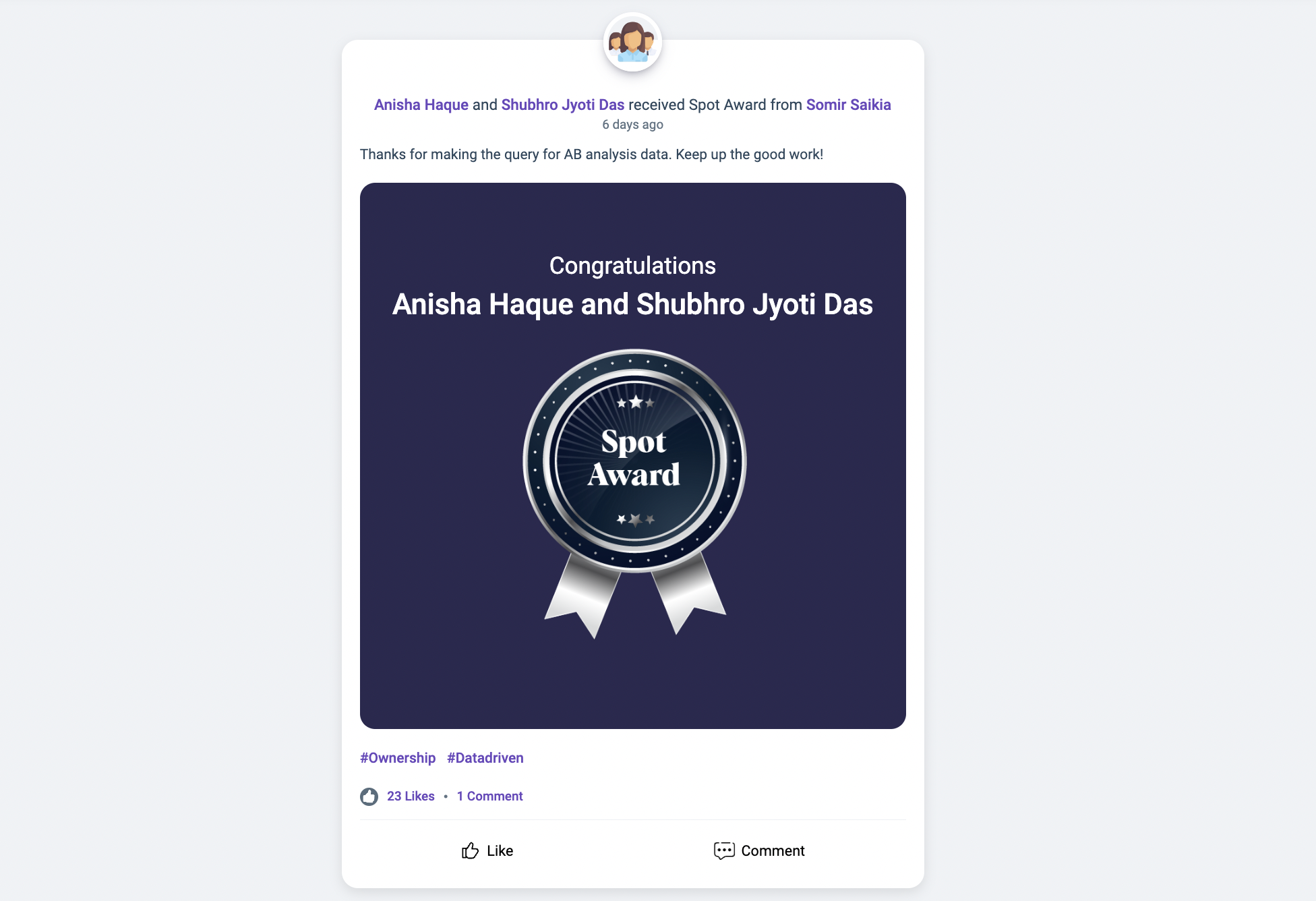
Source: Vantage Recognition
What is Employee Appreciation?
Employee appreciation, on the other hand, goes beyond performance metrics. It’s about recognizing an employee's personal worth and ongoing contributions, regardless of whether they have hit a specific target. Appreciation is informal, frequent, and focuses on acknowledging employees’ effort, attitude, and character.
Key Characteristics of Appreciation:
-
Informal & Personal: Appreciation is more likely to happen in one-on-one interactions, such as a thank-you note or a kind word from a colleague or manager.
-
Ongoing & Spontaneous: It doesn’t have to be tied to a specific event or achievement. It can be a simple acknowledgment of the person’s effort or attitude.
-
Private & Intangible: Typically communicated privately, appreciation doesn’t always involve rewards. It can be as simple as verbal praise or a handwritten note expressing gratitude.
-
Emotional Impact: Appreciation nurtures emotional well-being, fosters trust, and helps employees feel truly valued for their unique contributions to the workplace culture.
Example:
A manager thanking an employee for consistently maintaining a positive attitude during challenging times or for being an excellent team player, even when they didn’t hit a specific target.
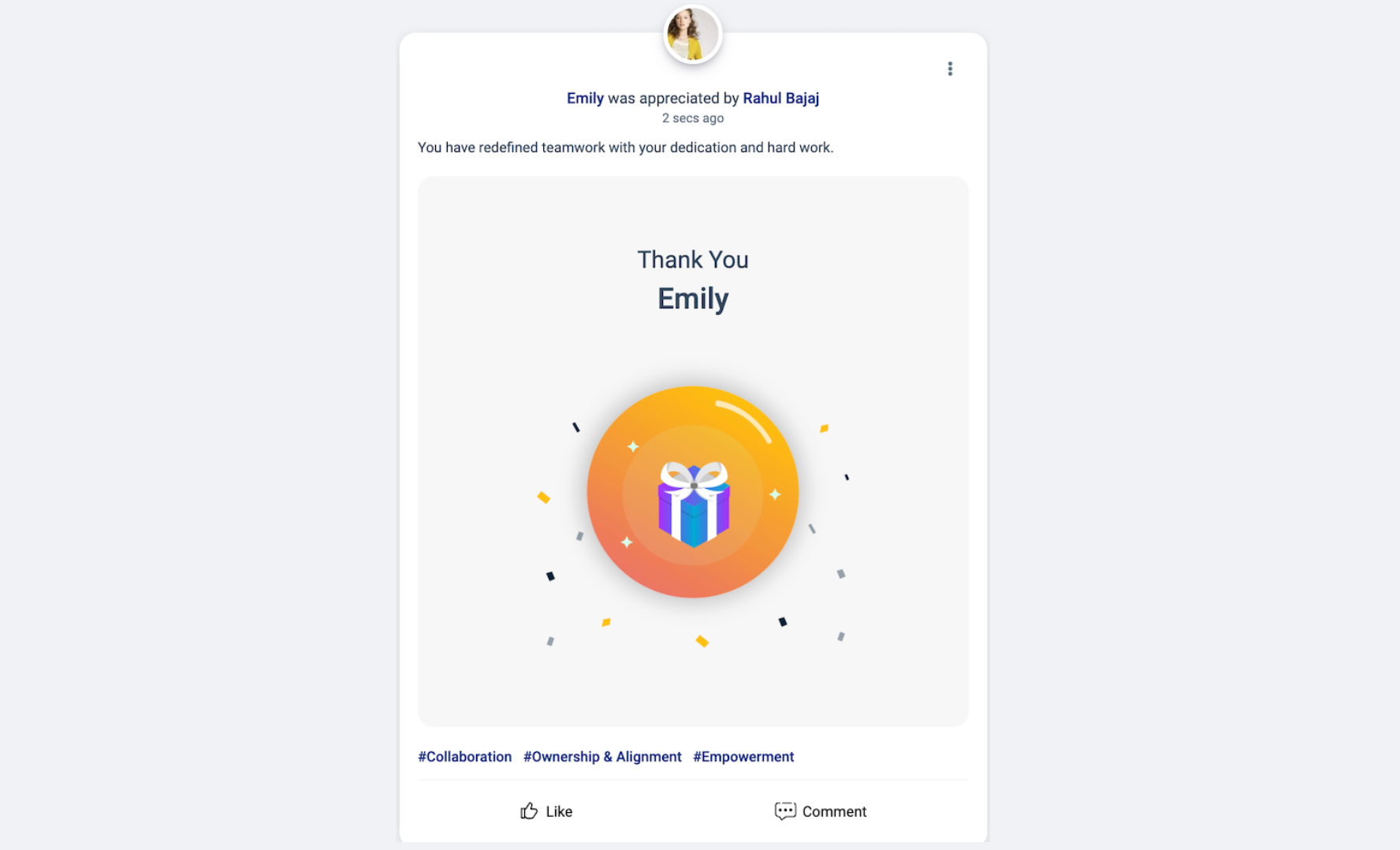
Source: Vantage Recognition
Quick Comparison Table: Recognition vs Appreciation
| Feature | Recognition | Appreciation |
|---|---|---|
| Nature | Formal/Structured | Informal/Personal |
| Trigger | Achievement/Performance | Presence/Effort/Character |
| Frequency | Periodic | Frequent/Spontaneous |
| Form | Often public | Often private |
| Tangibility | May involve rewards | Usually intangible |
| Psychological Impact | Motivates action | Builds belonging |
| Example | Employee of the Month, achievement awards | Casual thank-you notes, verbal praise |
Feature: Nature
Recognition: Formal/Structured
Appreciation: Informal/Personal
Feature: Trigger
Recognition: Achievement/Performance
Appreciation: Presence/Effort/Character
Feature: Frequency
Recognition: Periodic
Appreciation: Frequent/Spontaneous
Feature: Form
Recognition: Often public
Appreciation: Often private
Feature: Tangibility
Recognition: May involve rewards
Appreciation: Usually intangible
Feature: Psychological Impact
Recognition: Motivates action
Appreciation: Builds belonging
Feature: Example
Recognition: Employee of the Month, achievement awards
Appreciation: Casual thank-you notes, verbal praise
How Misunderstanding Recognition and Appreciation Could Undermine Your Culture

Recognition Fuels Motivation; Appreciation Builds Connection
Both recognition and appreciation are vital to a thriving workplace culture, but they serve different purposes.
Recognition is essential for performance-driven motivation. When employees are recognized for their achievements, it reinforces the behaviors and outcomes that the organization values. Recognition acts as an incentive for continued high performance, encouraging employees to repeat the behaviors that led to their success.
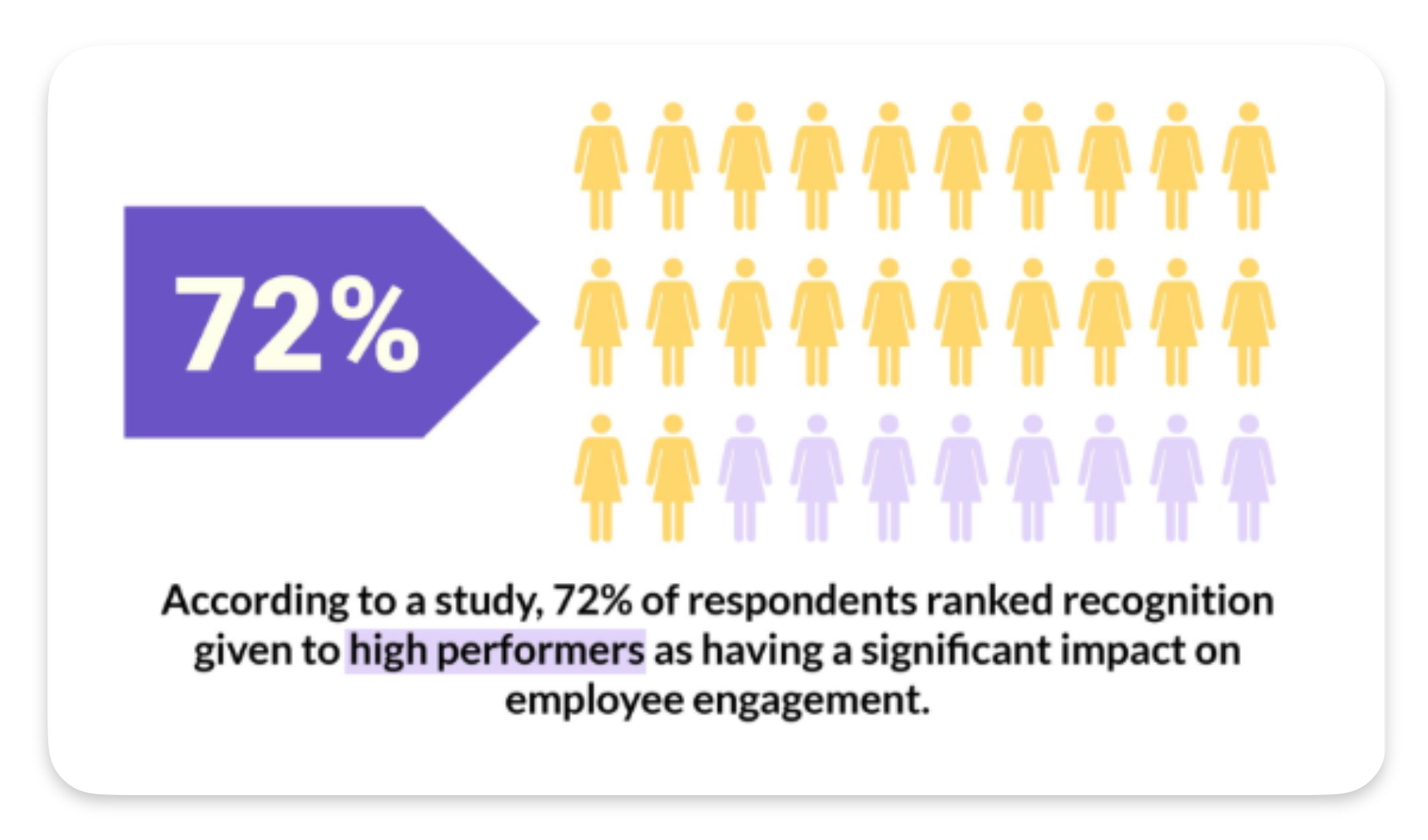
(Source)
Appreciation, on the other hand, focuses on the human side of work. It builds emotional connection and trust. Appreciation makes employees feel valued not just for what they do, but for who they are. They feel secure, knowing that their effort, attitude, and commitment are noticed and respected.
When both recognition and appreciation are used in tandem, they create a balance between external validation and emotional connection, leading to stronger motivation, engagement, and satisfaction.
The "Performance Machine" Problem: All Recognition, No Appreciation
In many organizations, recognition programs are abundant, but appreciation is often neglected. This can create a performance-only culture where employees feel like they're constantly being evaluated based on their output.
While recognition motivates employees to perform, it can lead to burnout if it’s not accompanied by appreciation. Employees may feel like they are only as valuable as their last achievement.
Lack of appreciation can lead to feelings of disconnection and resentment, especially if employees feel they are not being acknowledged for their day-to-day efforts or their intrinsic qualities.
Employees who receive frequent recognition but little appreciation may experience emotional fatigue, leading to disengagement or even quiet quitting, where employees do the bare minimum without putting their full effort into the job.
The "Effort isn't Enough" Gap: All Appreciation, No Recognition
On the flip side, a workplace culture focused solely on appreciation without recognition may fail to drive the desired behaviors needed for success. Without recognition reinforcement, employees may struggle to see the connection between their daily efforts and organizational goals.
When appreciation is not balanced with recognition, it can lead to a sense of underachievement and lack of purpose.
Without recognition to validate their impact, even the most appreciated employees may begin to disengage. Even studies show that well-recognized employees are 7 times more likely to be fully engaged than those who aren't.
Why Companies Need to Use Both Recognition and Appreciation (How to Do It)

1. Because High Performance Needs to Be Seen and Valued
Why it matters:
For high-performing employees, recognition plays a crucial role in ensuring they feel their contributions matter to the business. Recognition reinforces the connection between individual efforts and the organization's success.
However, when recognition is the sole focus, employees may feel valued only for their results. This is where appreciation becomes critical. Appreciation acknowledges the person behind the performance. They want to be valued for their personal qualities, consistency, and everyday effort as well.
Without appreciation, even your best performers will eventually disengage. They'll question whether the organization values them as people or just as producers.
How to apply it:
-
Formal recognition programs (e.g., monthly awards, project milestones) are key to acknowledging achievements.
-
Pair recognition with informal appreciation (e.g., a quick thank-you note, acknowledging effort in meetings) to show that you value their attitude, effort, and dedication.
This balance ensures employees feel appreciated as both performers and people, boosting morale and long-term engagement.
Related Read:Top 15 Reasons to Recognize Employees
2. Because Culture is Built on Both Accountability and Belonging
Why it matters:
A positive workplace culture doesn’t just rely on achieving targets. It’s about creating an environment where employees feel accountable for their roles and experience a deep sense of belonging.
Recognition holds employees accountable for their performance, but appreciation ensures they feel emotionally safe and valued for who they are.
Gallup research shows that employees held accountable by their managers are 2.5 times more likely to be engaged at work.
Balancing recognition and appreciation creates a holistic culture where employees feel supported, motivated, and proud of their work.
How to apply it:
-
Use performance reviews and goal-setting programs to keep employees accountable for achieving key outcomes.
-
At the same time, create regular opportunities for informal appreciation. Through team shoutouts or manager check-ins, acknowledge their values and contributions that go beyond mere performance.
-
Encourage peer-to-peer appreciation, ensuring that appreciation isn’t just top-down but flows in all directions.
3. Because Different Personalities Respond to Different Forms of Validation
Why it matters:
Not all employees are motivated by the same kind of validation. Some thrive on formal recognition tied to clear achievements. At the same time, others respond more positively to personal appreciation of their values and attitude. Understanding these preferences can help organizations engage their teams more effectively.
How to apply it:
-
Survey employees to understand their preferences. It can range from public recognition to private notes or quiet appreciation.
-
Personalize recognition strategies to match different personality types. For instance, introverts may appreciate appreciation more in private, while extroverts may feel motivated by public recognition.
-
Provide a mix of recognition and appreciation tailored to employees' individual needs.
4. Because Recognition Drives Results, But Appreciation Builds Retention
Why it matters:
Recognition is vital for encouraging performance and driving business results. However, appreciation is key to employee retention. When employees feel appreciated as individuals, not just for their work, they are more likely to stay with the company long-term.
How to apply it:
-
Recognition programs should focus on celebrating key achievements such as meeting sales targets or completing major projects.
-
Combine recognition with consistent appreciation efforts from managers, peers, and teams.
5. Because Timing and Context Matter in Employee Engagement
Why it matters:
Timing is everything in employee engagement. Recognition works best when it's immediate. The closer it is to the achievement, the stronger its impact. Similarly, appreciation can be frequent and spontaneous. It provides emotional support and ensures that employees consistently feel valued.
How to apply it:
- Recognize achievements in real-time, as soon as possible after a milestone or achievement.
- Appreciate employees regularly, even for their everyday contributions, making them feel consistently valued, not just after big wins.
- Tailor the timing of both recognition and appreciation to fit the moment, creating a more responsive and engaging environment.
The Nuances That Separate Good Managers from Great Ones

Recognition is Transactional; Appreciation is Relational
Recognition rewards the winner. Appreciation honors the person. Great managers use both.
Great managers recognize the achievement and appreciate the person. When someone closes a major deal, they celebrate the win. But they also acknowledge the resilience, collaboration, and persistence that made it possible.
They understand timing matters differently for each person. Recognition should be immediate and public when appropriate. Appreciation can be quieter, more personal, and ongoing. A quick "thank you for how you handled that difficult conversation" carries weight that lasts far longer than a performance bonus.
By appreciating employees for their attitude, work ethic, and contributions to team culture, great managers create psychological safety. Employees feel valued as people, not just producers. This deepens trust and loyalty.
This results in teams that perform consistently at a high level without burning out. When people feel both successful and seen, they don't just work harder. They stay longer.
Recommended Resource: The Role of Executive Communication in Driving Effective Employee Recognition
Generational Differences in How Recognition vs Appreciation is Perceived
Employees from different generations may perceive recognition and appreciation in distinct ways.
-
Millennials and Gen Z tend to value real-time feedback and authenticity. They are more likely to appreciate appreciation that comes spontaneously and is tied to personal connection rather than just formal recognition for performance.
-
Baby Boomers, on the other hand, may place more value on formal recognition awards such as long-service awards or milestone celebrations. They may appreciate recognition tied to years of service or accomplishments achieved over time.
Understanding these generational preferences is key to creating a customized recognition and appreciation strategy that resonates with employees of different age groups.
Cultural Differences: One Size Doesn’t Fit All
Just as employees of different generations perceive recognition and appreciation differently, cultural differences also play a role in how these concepts are understood and appreciated.
-
Be mindful of how you offer recognition and appreciation, considering cultural norms. In collectivist cultures, consider focusing more on personal acknowledgment in private settings.
-
In more individualistic settings, public recognition (like awards ceremonies or team-wide emails) can be more meaningful. However, ensure that employees still feel appreciated in ways that resonate with their cultural context.
Summing up
Recognition and appreciation are two sides of the same coin. They serve different purposes. Recognition acknowledges what employees do. Their performance and achievements. Appreciation values who they are. Their character, effort, and consistency.
Both are necessary for a high-performing culture. Recognition alone creates a transactional workplace. Employees feel valued only for output. Appreciation alone leaves them emotionally supported but disconnected from goals.
Great managers know when to use each. They celebrate results and show gratitude for everyday effort.
To build a thriving culture, weave both into your workplace. Recognize achievements. Appreciate character and contributions beyond results.
When balanced right, this creates belonging and motivation. Employees feel truly valued. And valued employees drive engagement, loyalty, and performance.

This article is written by Nilotpal M Saharia. Nilotpal M Saharia is a Senior Content Marketing Specialist & R&R Strategist at Vantage Circle, with 7 years of expertise in marketing, HR, and content strategy.
Connect with Nilotpal on LinkedIn.