
Your best people are updating their resumes. Right now. While you read this.
Across industries, turnover and disengagement are climbing fast. You know something is broken. The question is whether you're willing to fix it before more talent walks out.
Gallup's 2024 research puts a number on the problem: disengaged employees cost the global economy nearly $1.9 trillion in lost productivity each year. That's not just a statistic for annual reports. It's the cost of mediocre work, stalled innovation, and teams that barely function.
But here's what most organizations get wrong. They treat employee engagement and retention as separate problems. HR launches engagement surveys. Talent teams scramble to fill open positions. Unfortunately, neither talks to the other.
The truth? Engagement and retention are inseparable. When people feel valued and recognized, they stay. When they feel invisible, they leave. It's that simple.
The workplace has shifted dramatically in the last few years. Hybrid work, AI-driven change, and evolving expectations have rewritten the rules. Employees still care about pay and security. But now they also demand purpose, growth, and recognition. They want workplaces that see them as people, not productivity metrics.
Gallup’s state of the global workplace 2025 report found that only 21% of employees worldwide feel engaged at work. That’s roughly one in five. Think about your organization. How many people are truly committed? How many are just waiting for a better offer?
This isn't a soft HR issue anymore. It's a business risk that directly impacts performance, culture, and your ability to compete.
This guide shows you how engagement fuels retention and how retention validates engagement. You'll find strategies grounded in real data, not theories. We'll cover what works, what doesn't, and how to build a system that keeps your best people engaged and committed.
Let's start with what these terms actually mean.
What Is Employee Engagement?
Employee engagement is often misunderstood as happiness or satisfaction. It’s much deeper than that.
Engagement is the emotional and mental commitment employees have toward their organization. It’s the energy they bring to their work and the belief that what they do matters.
Engaged employees don’t just show up; they contribute with purpose. They care about outcomes, not just outputs. They take ownership, support colleagues, and go the extra mile because they feel part of something meaningful.
So, this brings us to the question: what drives engagement in employees? Three key elements stand out:
- Connection to purpose: Employees want to know how their work contributes to the bigger mission.
- Trust and recognition: People stay motivated when they feel seen, valued, and supported by their managers.
- Growth and autonomy: Opportunities to learn, make decisions, and advance are powerful engagement multipliers.
Organizations that consistently nurture these elements build a workforce that’s motivated not by compliance, but by commitment.
Engagement, at its core, is about creating an environment where employees feel valued and heard. It’s the foundation on which retention is built, and that’s where we turn next.
Defining Employee Retention
Employee retention is your organization's ability to keep the people who actually matter.
Retention isn't about preventing people from leaving. It's about creating a workplace where people don't want to leave.
Here's a critical distinction. Not all turnovers are the same.
- Voluntary turnover happens when employees choose to leave for better opportunities.
- Involuntary turnover happens when you make the decision due to performance issues or restructuring.
The real danger is regrettable attrition. That's when your high performers quit. The ones you can't afford to lose.
When they leave, the damage goes beyond replacement costs. You lose momentum on projects. Team morale drops. Other strong performers start wondering if they should leave too. So, how do you tackle this issue?
LinkedIn's 2024 Workplace Learning Report found that companies with strong learning cultures experience 57% higher retention rates. People stay where they can grow and leave when they feel stuck.
Recognition and growth opportunities directly reduce regrettable attrition. When people feel their efforts are seen and valued, they're far more likely to stay.
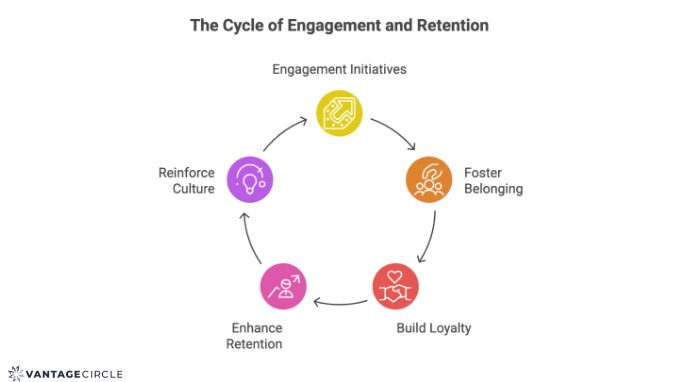
Think of it as a continuous loop. Engagement initiatives like feedback, recognition, and development create belonging. Belonging builds loyalty. Loyalty translates into retention. And retention reinforces the culture that drove engagement in the first place.
Break that loop at any point, and the whole system weakens.
So why do engagement and retention matter so much when they work together? Let's break down the real business impact.
Importance of Employee Engagement and Retention
Engagement and retention are the twin pillars of a thriving organization. One drives motivation. The other sustains performance. Together, they determine how strong and stable your workforce truly is.
When engagement rises, retention improves almost automatically. Employees who feel connected to their work are less likely to seek opportunities elsewhere. They feel part of a mission, not just a company.
According to Gallup, organizations with high engagement see 43% lower turnover and 23% higher profitability. The one thing numbers make clear is that engagement isn’t just a people strategy. It’s a business advantage.
1. Better Performance and Productivity
Engaged employees don’t wait for direction. They take initiative, collaborate more effectively, and bring ideas to life faster. This collective energy drives innovation and raises performance across teams.
2. Lower Hiring and Training Costs
High retention means fewer new hires, fewer onboarding cycles, and less disruption. The savings compound over time, freeing up resources that can be reinvested in employee growth and development.
3. Stronger Workplace Culture
Engaged employees set the tone for culture. They become role models who promote trust, accountability, and positivity. Culture isn’t written on posters — it’s lived through daily engagement.
Related Read:Workplace Culture: Its Misconceptions and Important Aspects
4. Enhanced Employer Brand
Retention builds reputation. When people stay, it signals stability and purpose. That reputation attracts more like-minded talent, creating a continuous loop of engagement and growth.
5. Long-Term Organizational Stability
A workforce that feels valued and invested in doesn’t just perform but endures. Engaged and retained employees help organizations adapt to change faster, especially in uncertain markets.
In short, engagement fuels performance, and retention protects it. Together, they form the foundation of a resilient and future-ready organization.
Now that we understand the importance, let’s take a look at how to improve engagement and retention with effective strategies.
5 Strategies to Improve Engagement and Retention
Building engagement and retention doesn’t happen by chance. It happens through consistent actions that connect people, purpose, and performance. Here are five strategies that can help leaders strengthen both and measure the impact clearly.
1. Measure Engagement Systematically
What it is:
Engagement thrives when you listen continuously. Regular surveys, feedback channels, and sentiment analysis give you a clear picture of how employees feel and why.
Why it improves both:
Data turns assumptions into insight. When employees see that their feedback leads to change, trust grows — and so does loyalty.
How to implement:
- Use short, frequent pulse surveys instead of long annual ones.
- Track team-level sentiment to identify local issues early.
- Share feedback results transparently and act on them.
What to measure:
Participation rate, eNPS (Employee Net Promoter Score), and changes in engagement trends.
Example:
Tools like Vantage Pulse help HR leaders capture real-time feedback and analyze engagement patterns, making it easier to act fast and reduce turnover risks.
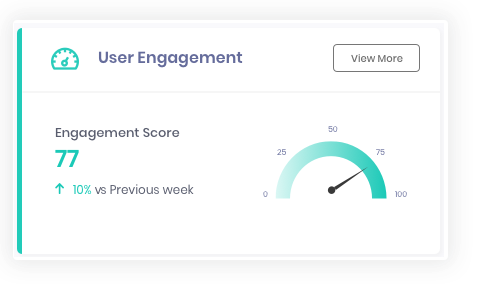
Source: Vantage Pulse
2. Develop Managers as Engagement Leaders
What it is:
Managers are the bridge between strategy and people. Their behavior directly shapes the daily experience of employees.
Why it improves both:
According to Gallup, managers account for 70% of the variance in team engagement. Supportive managers create motivated teams that stay longer.
How to implement:
- Train managers to have regular one-on-one check-ins.
- Equip them to recognize efforts publicly and coach constructively.
- Encourage empathy and listening as core leadership skills.
What to measure:
Manager feedback scores, team engagement results, and retention within specific departments.
3. Integrate Recognition with Performance Systems
What it is:
Recognition should be part of how performance is managed, not an afterthought.
Why it improves both:
Recognition reinforces effort, builds confidence, and makes people feel valued. According to SHRM, organizations with strong recognition cultures experience 31% lower turnover.
How to implement:
- Celebrate achievements in real time, not only at review cycles.
- Encourage peer-to-peer recognition to create a culture of appreciation.
- Link recognition moments to company values.
What to measure:
Recognition frequency, peer nominations, and engagement lift post-recognition.
Example:
Platforms like Vantage Recognition make it easy to integrate rewards and recognition with performance management, creating a continuous loop of motivation.
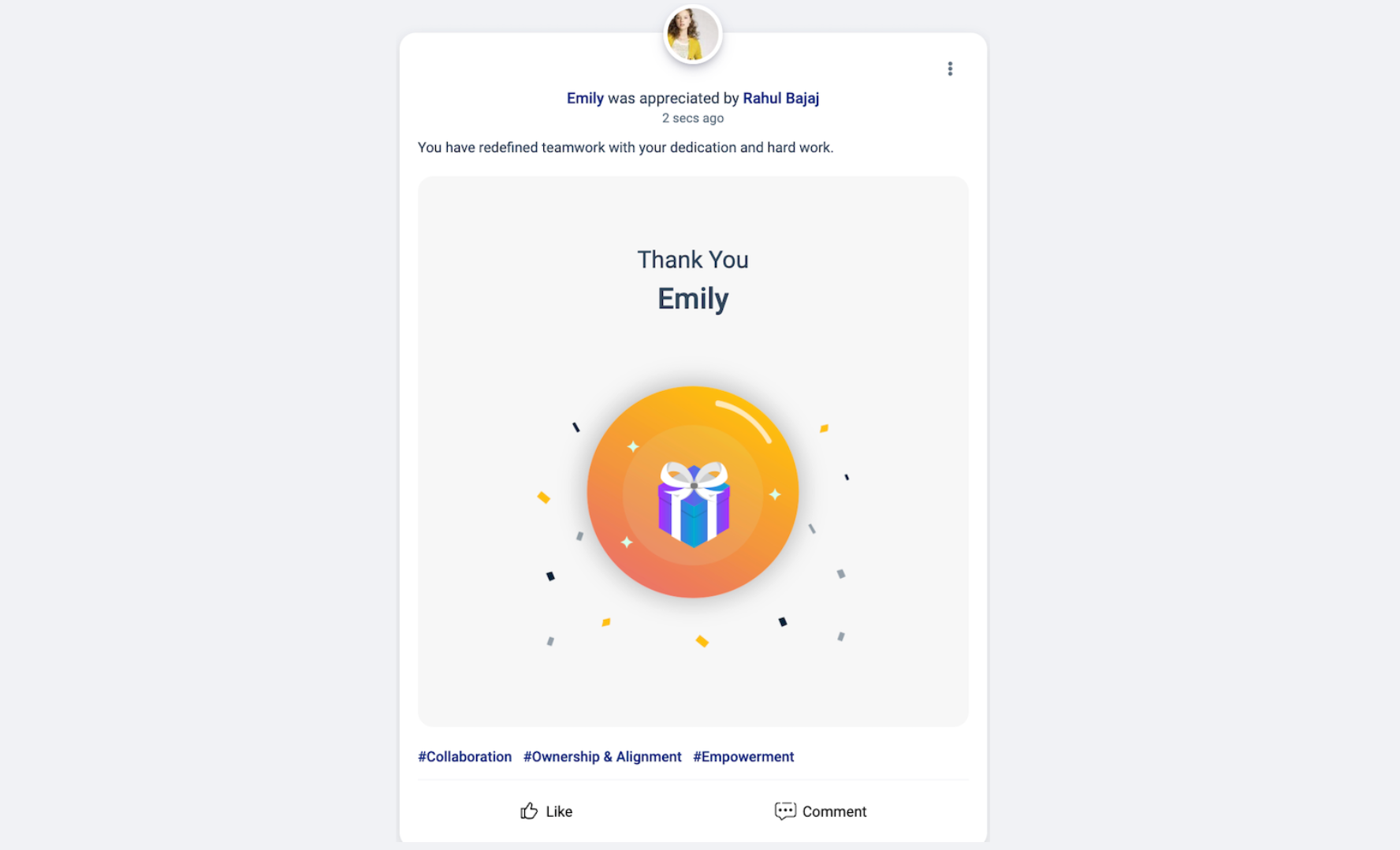
Source: Vantage Recognition
4. Design Visible Internal Career Pathways
What it is:
Employees stay when they see a future within the organization. Career transparency turns uncertainty into opportunity.
Why it improves both:
Growth signals investment. It tells employees that the company values their development and wants them to advance. The 2024 LinkedIn Learning report highlights that companies encouraging employees to explore and move into different internal roles see higher retention rates and a more agile, skilled workforce. Internal mobility is described as a “growing spark,” essential for keeping employees longer and building organizational agility.
How to implement:
- Create skill-based career maps for each role.
- Offer mentorship programs and lateral mobility options.
- Communicate internal job opportunities clearly.
**What to measure: **
Internal promotion rate, participation in learning programs, and career satisfaction survey results.
5. Regularly Analyze Exit and Stay Data
What it is:
Exit interviews reveal why people leave. Stay interviews uncover why they remain. Together, they show what’s working and what’s not.
Why it improves both:
Listening before people leave prevents regret later. These insights help address disengagement early.
How to implement:
- Conduct quarterly stay interviews with high performers.
- Analyze patterns from exit feedback to fix recurring issues.
- Combine insights from recognition and survey data for a 360° view.
What to measure:
Turnover rate, exit reasons, and engagement change post-intervention.
When data from Vantage Pulse (feedback) and Vantage Recognition (appreciation trends) are reviewed together, HR teams can predict disengagement patterns and act before they lead to attrition.
How Retention and Engagement Tools Help Organizations Build Stronger Workforces
Manual engagement strategies no longer match the speed or scale of today’s workplaces. As organizations grow and hybrid models expand, it becomes harder to truly understand what employees need and when they need it.
That’s where technology steps in. Modern engagement and retention tools help leaders move from assumptions to action. They turn feedback, recognition, and analytics into continuous improvement.
Why These Tools Matter
Engagement and retention are data-driven challenges. You can’t improve what you don’t measure. When data from surveys, recognition platforms, and wellness programs is integrated, it provides a complete view of the employee experience.
These insights allow HR teams to spot trends such as declining morale, underrecognized teams, or burnout risk early and address them before they affect retention.
How Vantage Pulse Strengthens Engagement
Vantage Pulse enables organizations to measure engagement continuously. Through quick, AI-powered pulse surveys, it captures real-time feedback and identifies sentiment trends across teams and departments.
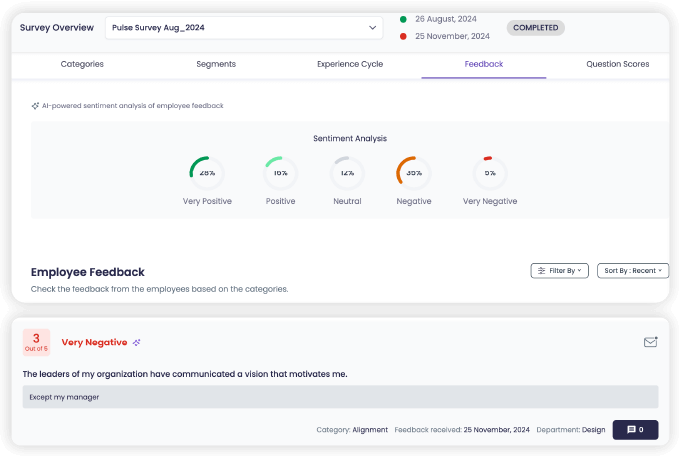
It doesn’t just collect data; it helps leaders act by linking insights to engagement drivers like trust, recognition, and growth.
How Vantage Recognition Builds Retention
Recognition is more than applause. It’s a signal that people matter. When employees feel valued for who they are and not just for what they achieve, loyalty strengthens and turnover drops.
Vantage Recognition is built around the AIRe Framework: Appreciation, Incentivization, Reinforcement, and eMotional Connect. It’s a blueprint for creating a recognition program that drives real engagement and lasting retention.
1. Appreciation: Valuing Inherent Worth
Appreciation is the foundation of recognition. It goes beyond performance metrics to acknowledge character and intent. Through Vantage Recognition, appreciation becomes part of everyday work.
Managers can share quick notes, peers can celebrate micro-moments, and leaders can highlight people who live company values daily.
2. Incentivization: Motivating Through What Truly Matters
Incentives don’t work when they’re generic. People are motivated by meaning, not just money.
Vantage Recognition lets organizations personalize incentives. Employees can choose what inspires them, such as mentorship opportunities, learning credits, or extra time off.
3. Reinforcement: Strengthening the Right Behaviors
Great cultures don’t emerge by accident. They’re built through repeated reinforcement of what matters most.
With Vantage Recognition, every recognition moment can be tied directly to company values or performance goals. When behaviors like collaboration, creativity, or customer focus are recognized in real time, they multiply.
4. eMotional Connect: Creating Bonds That Last
Recognition without emotion feels transactional. The eMotional Connect element ensures it never does.
When leaders take time to understand their people, their challenges, motivations, and wins, recognition gains depth. Similarly, peer-to-peer recognition, like a “thank you” from a teammate, feels personal, genuine, and lasting.
Vantage Recognition brings these connections to life. It helps teams celebrate together, across departments and time zones, building bonds that go beyond titles or hierarchies.

The End Goal: A Workforce That Chooses to Stay
Employee engagement and retention are no longer soft metrics. They are business essentials.
In a world where talent has choices, organizations can’t afford to focus on one without the other. Engagement gives people a reason to care. Retention gives them a reason to stay.
When leaders listen consistently, recognize meaningfully, and invest in growth, they build loyalty that no perk can replace. It’s that sense of belonging that keeps employees rooted even in uncertain times.
Platforms like Vantage Pulse and Vantage Recognition help make that possible. One helps organizations hear their employees better. The other ensures that every voice, effort, and milestone gets acknowledged. Together, they create a culture where appreciation and feedback are part of everyday work.
The result? A connected, motivated, and future-ready workforce. Because when engagement becomes consistent and recognition becomes personal, retention follows naturally. So, now’s the right time to ask yourself - How ready is your organization to turn engagement into long-term retention?
FAQs: Understanding the Link Between Engagement and Retention
1. What is the connection between employee engagement and retention?
Engagement drives retention. When employees feel heard, recognized, and connected to their purpose, they’re more likely to stay. Engaged employees bring energy and commitment to their work, which naturally reduces turnover and strengthens loyalty.
2. How can organizations measure engagement effectively?
Consistent feedback is key. Tools like Vantage Pulse help track employee sentiment in real time through short, actionable surveys. The data gives leaders a clear view of what’s working and where improvements are needed before disengagement leads to attrition.
3. How does recognition impact employee retention?
Recognition validates effort. When appreciation becomes part of everyday culture, employees feel valued and motivated to continue performing at their best. Using platforms like Vantage Recognition, companies can personalize rewards and make appreciation timely, visible, and meaningful.
4. What are the top engagement strategies that support retention?
The most effective strategies include frequent feedback, continuous recognition, clear career paths, and supportive leadership. Organizations that combine these consistently, with data-driven insights and a culture of appreciation, retain talent longer and build stronger, happier teams.

He is an Assistant Manager, Content at Vantage Circle and a recognition-and-rewards (R&R) strategist with 9 years of experience spanning Marketing, HR, and content strategy. He helps HR leaders turn employee recognition and leadership research into practical workplace programs.
Connect with Nilotpal on LinkedIn.