











Golden Handcuffs: A Judas Problem in Talent Retention?

A Global Employee Recognition and Wellness Platform
At first glance, golden sounds promising, shiny, valuable, a reward worth having. But then comes handcuffs, a symbol of restraint, a gilded cage disguised as security. Together, they form a paradox: a perk that binds.
Imagine Alex, a high-performing employee. He once thrived on passion and purpose, but now, he stays not out of loyalty, but because leaving means forfeiting bonuses, stock options, or retirement benefits. He isn’t inspired! He’s tethered.
This is the Judas Problem in talent retention: Are employees truly engaged, or simply afraid of the financial consequences of leaving? If a company’s best talent stays because they must, not because they want to, is that retention or just expensive hesitation?
HR leaders must rethink: Are golden handcuffs securing commitment—or just delaying departure?
Understanding Golden Handcuffs: The Retention Trap
Golden handcuffs are financial incentives designed to retain employees by making it costly for them to leave. These can include
- stock options
- retention bonuses
- restricted stock units (RSUs)
- non-disclosure agreements (NDAs)
- non-compete clauses.
Traditionally, companies have relied on them to reduce turnover, protect intellectual property, and keep top talent. They create a sense of financial security in the employees ensuring they continue in their current position.
But at what cost? These incentives make employees trapped rather than committed.
The Allure and the Bind
Consider a high-performing executive. Despite their outward success, they felt deeply unfulfilled and burnt out. The company’s culture no longer aligned with their values, yet leaving meant sacrificing significant financial benefits. Trapped by golden handcuffs, they remain in a role they had long outgrown—until they finally took the leap, prioritizing their happiness over financial security.
The Engagement Paradox
Recent data highlights a troubling trend: while retention rates remain high due to economic instability, engagement is at an all-time low. A survey of 2,300 employees and HR leaders found that 55% plan to switch jobs within two years, and 74% intend to leave once economic conditions improve. This suggests many are staying in their roles not out of commitment, but because the financial risk of leaving is too high.
From Handcuffs to Cages
Golden handcuffs may succeed in keeping employees, but they fail in motivating them. When employees stay despite disengagement, innovation suffers, productivity declines, and company culture erodes. Businesses that rely on financial shackles instead of fostering real engagement risk losing top talent the moment the market shifts.
So, HR leaders must ask: Are golden handcuffs securing loyalty, or just preventing defection? The future of talent retention lies not in financial binds, but in purpose, culture, and real commitment.
The Hidden Costs: When Retention Backfires
Mark had it all—an executive title, a six-figure salary, and stock options that promised a secure future. But every morning, he felt the same sinking feeling. He wasn’t staying because he loved his job. He was staying because leaving meant losing everything he had built financially. He wasn’t engaged; he was trapped.
The Illusion of Retention
Companies often celebrate low turnover rates, believing that retention equals success. But are employees truly engaged, or just staying because they can’t afford to leave? Studies show that nearly 50% of employees who stay due to financial perks feel disengaged and are more likely to suffer from burnout. (Harvard Business Review)
Cultural & Psychological Effects
Golden handcuffs don’t just retain talent—they also breed dissatisfaction. Employees who feel stuck are 63% more likely to report workplace stress and 2.5 times more likely to suffer from burnout. (Gallup) Instead of fostering loyalty, these financial traps create a toxic cycle of resentment, low productivity, and quiet quitting.
HR’s Dilemma: Retaining vs. Engaging
HR leaders face a difficult choice: hold onto top talent at any cost or cultivate a workforce that actually wants to stay? Companies are now rethinking outdated retention strategies—moving away from restrictive financial incentives and instead prioritizing workplace culture, growth opportunities, and flexibility.
The Shift Away from Financial Shackles
Leading organizations are already adapting. A recent report found that companies investing in intrinsic motivation—such as purpose-driven work and professional development—saw a 33% increase in employee satisfaction. (McKinsey & Company) Meanwhile, Gen Z employees are rejecting hustle culture, favoring stability and work-life balance over hefty paychecks. (The Guardian)
The message is clear: Golden handcuffs may keep employees from leaving, but they won’t make them stay for the right reasons. True retention isn’t about locking employees in—it’s about making them want to stay.
Breaking Free: Building Retention Beyond Financial Incentives

Emma had always been passionate about her work, but over time, she felt her enthusiasm wane. Despite generous financial incentives, something was missing. She realized that a paycheck alone wasn't enough to keep her engaged. She yearned for a deeper connection to her company's mission and values.
What Does Real Retention Look Like?
True retention goes beyond monetary rewards. Employees like Emma stay because they believe in their company's mission and feel aligned with its purpose. When individuals find meaning in their work, they're more likely to remain committed and engaged.
Alternative HR Strategies for Retention:
-
Autonomy & Growth: Providing opportunities for career advancement and leadership development empowers employees. Companies that invest in training and development see higher retention rates, as employees feel their growth is valued. PubMed Central
-
Workplace Culture: Cultivating a culture of psychological safety and values-driven leadership fosters trust and belonging. A positive work environment enhances job satisfaction, leading to increased employee retention. PubMed Central
-
Recognition & Engagement: Acknowledging efforts beyond monetary incentives boosts morale. Implementing recognition programs can lead to improved employee satisfaction and loyalty. modernhealth.com
How Leading Companies Are Moving Away from Golden Handcuffs
Several organizations have recognized the limitations of purely financial retention strategies and have shifted their focus toward building strong workplace cultures:
-
Google: Known for its innovative culture, Google emphasizes employee autonomy and continuous learning, leading to high retention rates. testlify.com
-
Zappos: By prioritizing a values-driven culture and employee happiness, Zappos has created a loyal and engaged workforce. testlify.com
-
Salesforce: With a commitment to social responsibility and employee development, Salesforce fosters a sense of purpose among its employees, contributing to long-term retention. testlify.com
-
Patagonia: Patagonia's dedication to environmental sustainability and employee well-being has resulted in a passionate and committed team. testlify.com
These companies demonstrate that by focusing on culture, values, and employee development, organizations can achieve genuine retention, where employees stay because they want to, not because they feel financially obligated.
Vantage Circle’s Approach: Retention Through Culture & Recognition
We at Vantage Circle focus on retention through recognition as it is evident only financial benefits is not enough to build a culture of trust and loyalty.
Navigating the Judas Dilemma with Vantage Circle
Vantage Circle recognizes that employees should remain with a company out of genuine commitment, not merely financial obligation. Their comprehensive platform provides tools that foster authentic engagement, ensuring employees feel valued beyond their paychecks.
Employee Engagement Solutions Beyond Financial Incentives
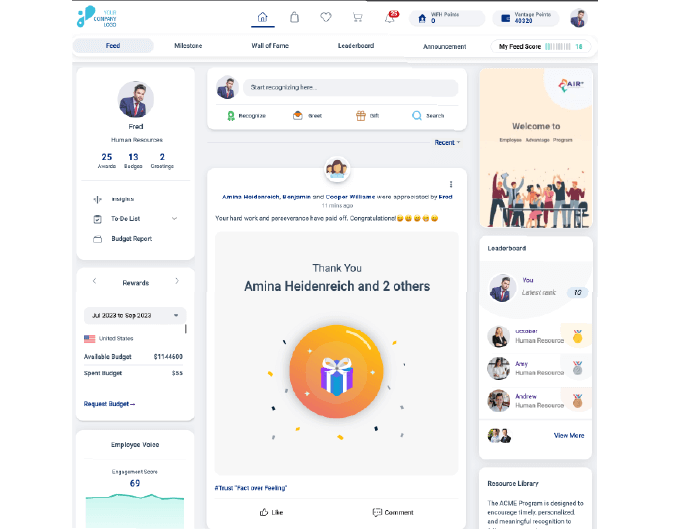
Personalized Recognition Programs: Through Vantage Recognition, organizations can create tailored recognition initiatives that resonate with their unique cultures, ensuring every acknowledgment feels sincere and impactful. vantagecircle.com

AI-Driven Employee Engagement Insights: With Vantage Pulse, HR leaders gain real-time insights into employee sentiments, allowing for proactive measures to enhance satisfaction and address concerns promptly. marketplace.jazzhr.com+3vantagecircle.com+3matterapp.com+3

Wellness and Experience-Based Rewards: Vantage Fit promotes holistic well-being by integrating health initiatives with rewarding experiences, emphasizing the company's investment in employees' overall quality of life.
How companies using Vantage Circle achieved high retention without dependency on golden handcuffs.
Conclusion: HR’s Call to Action
For years, companies have measured retention by numbers—low turnover meant success. But the real question remains: Are HR leaders truly retaining employees, or just delaying their departure?
A workplace built on golden handcuffs may keep employees from leaving, but it won’t make them stay for the right reasons. The best employees don’t stay because they have to; they stay because they want to. They believe in the mission, feel valued, and see a future beyond a paycheck.
Now is the time for HR leaders to rethink retention. What if employees stayed not out of obligation, but out of passion?
So here’s the challenge: If financial incentives disappeared tomorrow, how many of your employees would still choose to stay?

Lupamudra is a content marketing specialist at Vantage Circle, where she focuses on creating thoughtful, research-driven content on employee engagement and workplace culture. She enjoys connecting ideas with impact and aims to make complex topics easier to understand and relate to. For editorial inquiries, contact editor@vantagecircle.com. You can also connect with Lupamudra on LinkedIn to engage in discussions on HR trends and digital marketing.