Your best employee just became someone else's.
While you were in back-to-back meetings yesterday, Marcus from engineering accepted an offer across town. The same Marcus who built your entire client portal from scratch. The one who stayed late to fix the server crash last month. The one who, if you're being honest, you kind of took for granted.
His replacement will cost you around one-half to two times his annual salary. But that's not the problem. The real problem is that three other people on your team just watched Marcus leave, and now they're updating their LinkedIn profiles.
This is the retention death spiral. You've either experienced it or you're about to. The old playbook of "pay them well and they'll stay" is dead. Employees today will leave a $90k job for an $85k opportunity if it gives them what they actually want.
So, what do they really want? There’s no universal formula, but there are patterns. In this blog we'll look at the top ten retention factors that will help you build a team that stays.
What are Employee Retention Factors?
An employee retention factor is anything that influences an employee's decision to stay or leave an organization. It includes competitive compensation, a positive work environment, growth opportunities, strong leadership, and a supportive workplace culture.
Why Employee Retention Factors Matter?
Employee retention factors matter because they turn routine teams into passionate ones, workplaces into communities, and jobs into meaningful careers. Let me break down what actually happens when you get retention factors right:
- Companies with strong retention factors spend their energy on innovation and growth, not damage control. They're building while you're rebuilding.
- Your team develops genuine expertise. When employees stick around, they don't just learn the job, they master it, improve it, and then teach others. That compounding expertise is what separates industry leaders from everyone else.
- Trust becomes your competitive advantage. When your team has worked together through multiple challenges, they develop shorthand, anticipate each other's needs, and operate with a level of cohesion that new teams simply cannot replicate.
Top 10 Core Employee Retention Factors
Factor 1: Compensation and Total Rewards

The Foundational Impact of Fair Pay
Fair pay is where trust begins. If your employees feel underpaid, no amount of free coffee or culture slogans can make up for it.
Even your career development initiatives will feel like exploitation because you're asking them to grow so you can get more value while they stay underpaid.
To make matters worse. It's not always about the actual amount, it's about perceived fairness. Your compensation should be competitive enough that it's not a reason to leave.
Building a Competitive Total Rewards Strategy
Today, what most companies do is that they think competitive compensation means "match the market average and call it done." That's not a strategy. That's the bare minimum.
The magic to building a competitive total rewards strategy is in letting employees customize.
Some employees might prioritize retirement savings. Others want better health coverage. While some would trade salary for more vacation time. The companies winning at retention offer flexible benefits packages that recognize people’s needs aren’t identical. They include:
- Bonuses and profit-sharing
- Equity or stock options
- Retirement contributions
- Health insurance
- Professional development budgets
- Student loan repayment assistance
- Sabbatical programs for long-tenured employees
The goal isn't to have the highest salaries in your industry. The goal is for your employees to feel they're being paid fairly for the value they create.
Factor 2: Career Growth and Development
The High Cost of Employee Stagnation
There's a quiet desperation that happens when talented people feel stuck. They show up. They do their work. They hit their numbers and leave exactly at 5 PM. And one day, seemingly out of nowhere, they resign.
"Out of nowhere" is what it looks like to people who weren't paying attention. To the employee, they've been slowly dying of stagnation for months or years.
LinkedIn's Workplace Learning Report found that 94% of employees would stay longer at a company that invests in their career development. If you flip that Stat around, you’ll find 94% of your people are willing to leave if they don't see a future with you.
The cost of stagnation isn't just losing people. It's more about losing creativity, initiative, and the discretionary effort that separates good teams from great ones.
Creating Clear Pathways for Advancement and Upskilling
Career development isn't a program you implement once and forget about. It's an ongoing conversation that should be woven into your company culture.
Make career paths visible and attainable. Every employee should be able to answer: "What's next for me here, and what do I need to do to get there?" If they can't, you have a problem.
However, this doesn't mean everyone needs to become a manager. Some people want to lead teams. While others want to become experts in their domain. Both should have clear paths upward.
Vague promises of "growth opportunities" mean nothing, if you are not willing to invest in meaningful development opportunities, such as:
- Conferences and Industry events
- Certifications and Advanced Degrees
- Online Learning Platforms
- External Coaches or Mentors
- Stretch Projects outside their Comfort zone
Factor 3: Management and Leadership Support
The Manager's Role as a Retention Linchpin
Gallup found that 70% of the variance in team engagement is determined by the manager. You've probably heard the saying, "People don't leave companies, they leave managers." It's become a cliché because it's devastatingly true. A great manager can make employees love a mediocre company. A terrible manager can make employees flee a great one.
Think about your own career. The best job you ever had? I'd bet you had a great manager. The worst job? Probably a terrible one. The correlation is almost perfect because:
- They're the translator of everything. Company policies, cultural values, strategic priorities, these all get filtered through your manager.
- Your manager influences your assignments, your visibility, your development opportunities, your promotions, and your pay increases.
- They set the team culture. A toxic manager creates a toxic team culture that percolate, even if the broader company culture is healthy.
Equipping Managers to Coach, Empower, and Retain
If managers are your retention linchpin, then developing great managers isn't optional.
Start by selecting the right people for management. Once you have done that, evaluate them for management qualities such as emotional intelligence, communication skills, ability to develop others, conflict resolution, and genuine interest in others' success.
But remember great managers are developed, not discovered. So, invest in:
- Structured onboarding into management roles
- Ongoing coaching and development
- Training in difficult conversations, performance management, and giving feedback
- Peer learning communities where managers can share challenges and strategies
Did you know? Google's Project Oxygen identified the 10 behaviors of their best managers through data analysis, then trained all managers on those behaviors. The result was a measurable improvement in manager quality and team performance.
Factor 4: Work-Life Balance and Well-being
The Direct Link Between Burnout and Turnover
Burnout doesn't happen overnight. It starts small. From working a few late nights to working through the weekend "just this once." Then it becomes the norm. The temporary hustle becomes permanent overload, and what was supposed to be a sprint becomes a marathon.
By the time you notice, it's often too late. The employee is already updating their resume.
According to Gallup 76% of employees experience burnout at least sometimes, with 28% saying they're burned out "very often" or "always". When exhaustion becomes the norm, even the most passionate employees eventually stop caring.
Fostering a Culture of Flexibility and Mental Health Support
Work-life balance is more about sustainability. You need to understand that well-rested, mentally healthy employees produce better work and stay longer. Microsoft Japan proved it when they experimented with a four-day workweek and saw productivity increase by 40%.
To foster a culture of genuine flexibility and mental health support, you need to:
- Set Clear Expectations: No emails after 7 PM or on weekends unless it's genuinely urgent.
- Reevaluate Meeting Culture: Back-to-back calls don’t equal productivity. Protect focus time and encourage meeting-free blocks so employees can actually get deep work done.
- No Vacation Shaming: Time off is part of performance, not a break from it. Encourage employees to use their PTO without guilt.
- Provide on-site or Virtual Counseling Services: Remove barriers to help. Provide easy access to licensed counselors, whether on-site or through confidential virtual sessions.
- Subscriptions to Mental Wellness Apps: Give employees access to mindfulness and meditation apps such as Headspace or Calm, that help them recharge and build resilience daily.
Factor 5: Recognition and Appreciation
The Damaging Effect of Feeling Undervalued
There’s nothing quite as soul-crushing as working hard and realizing no one even noticed.
When employees feel undervalued, they don't just become unhappy, they become disengaged. They stop volunteering for projects and do exactly what's required and nothing more. They save their best ideas and extra effort for somewhere they'll be appreciated.
Employees start to lose trust fast when good work goes unnoticed. If leaders don’t acknowledge effort, people eventually assume they’re either blind to it or indifferent.
Designing a Meaningful and Consistent Recognition Program
Recognition has to be genuine, specific, and consistent. Programs that feel mechanical or performative often do more harm than good.
To design recognition that actually works, organizations can anchor their strategy around Vantage Circle’s AIRe Framework, which stands for Appreciation, Incentivization, Reinforcement, and eMotional Engagement. Together, these four pillars ensure recognition doesn’t just happen, it matters.
Let’s break it down:
- Appreciation is the heartbeat of recognition. It’s about noticing and acknowledging effort when it happens, ideally within days, not weeks. Recognition delayed is recognition diluted.
- Incentivization makes recognition tangible and personal. Use a points-based system or digital R&R platform that allows employees to choose rewards meaningful to them.
- Reinforce recognition into everyday culture by making it a habit, not a one-time event. Consistency reinforces the right behaviors and values across teams.
- Create emotional connect through authentic recognition. Use personalized messages or storytelling in recognition posts to highlight the person behind the achievement, not just the task completed.
Moreover, recognition should also come from peers, not just leaders or managers. Create mechanisms for employees to recognize each other whether it’s through a digital platform or team shout-outs in meetings. This creates a culture where recognition flows in all directions, not just top-down.
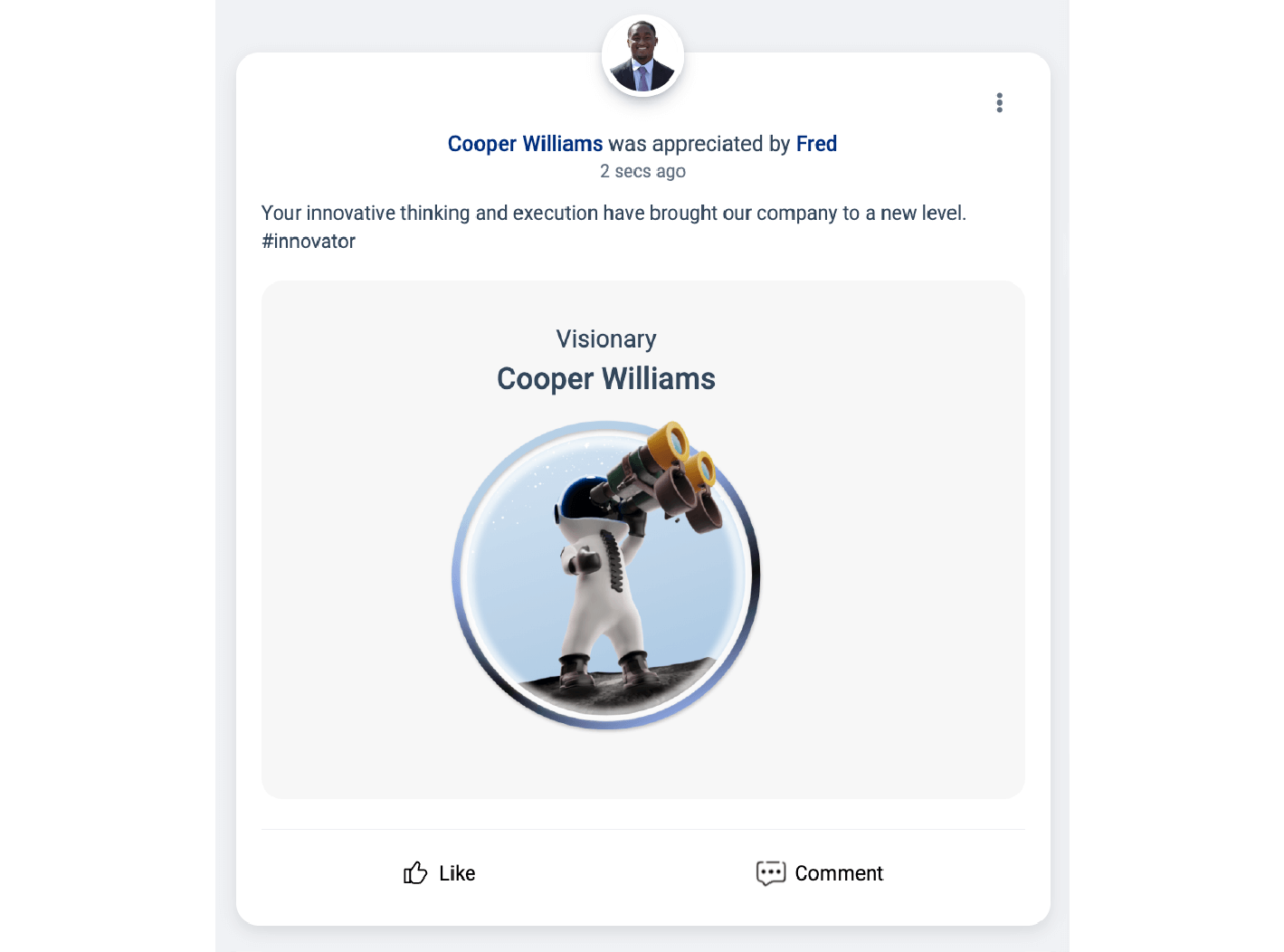
Source: Vantage Recognition
Factor 6: Company Culture and Work Environment
The Power of a Positive and Inclusive Culture
Company culture isn’t about perks, it’s about how people feel when they come to work.
You can have an office with stunning interiors with premium snacks and still have a toxic culture where people dread Mondays. On the other hand, even a modest workspace can radiate energy, belonging, and purpose when employees feel valued, heard, and supported.
A positive and inclusive culture is built on trust, respect, and fairness. It’s where people know their voices matter, where differences are celebrated, and where collaboration feels natural. In such environments, employees bring their full selves to work, take ownership of their roles, and feel psychologically safe to share ideas, admit mistakes, and innovate without fear.
Proactively Shaping Your Day-to-Day Work Environment
Culture doesn't happen by accident, and you can't fix it with an off-site retreat. It's shaped by daily practices and behaviors, especially from leadership.
Proactively shaping the work environment means being intentional about how people collaborate, communicate, and celebrate success. It’s about creating routines that reinforce connections. It can be through regular team check-ins, recognition moments, open feedback loops, and clarity around expectations.
Even seemingly small gestures like acknowledging effort publicly or inviting quieter voices into discussions can transform the energy of a team.
Factor 7: Job Satisfaction and Meaningful Work
Connecting Daily Tasks to a Larger Purpose
You can pay people to show up and manage them to hit metrics. But if they don’t see how their work connects to something bigger, the motivation will eventually fade.
The famous story about JFK visiting NASA in 1962 illustrates this perfectly. He encountered a janitor carrying a broom and asked what he was doing. The janitor replied, "I'm helping put a man on the moon."
That janitor understood how his daily work connected to a larger mission. That connection transformed janitorial work from "just a job" into meaningful contribution.
Boosting Satisfaction Through Autonomy and Trust
At its core, job satisfaction is driven by two powerful forces they are autonomy and trust.
Daniel Pink's research in "Drive" identified autonomy as one of the three critical factors for intrinsic motivation. People who have autonomy are more engaged, more creative, and dramatically more satisfied.
Nothing is more demoralizing than being "responsible" for something but having to get approval for every tiny decision. If someone owns a project, give them the authority to make calls. If you can't trust them with that authority, you've hired the wrong person or put them in the wrong role.
Factor 8: Onboarding and Initial Experience
Why the First 90 Days Are Critical for Long-Term Retention
The first 90 days can make or break an employee’s journey. You can spend months recruiting the perfect candidate, but if their first experience feels disorganized or impersonal, their excitement fades fast.
Employee onboarding experience shapes how employees perceive the company’s culture, competence, and care. A smooth, thoughtful onboarding signals that the organization is organized, intentional, and values its people. Every positive touchpoint such as clear communication, early recognition, and meaningful connections reassures new hires that they made the right choice.
Building a World-Class Onboarding Journey
Let’s look at ways you can improve the onboarding journey of an employe in different stages:
Pre-boarding: Turning Acceptance into Anticipation
This is the limbo period where they've quit their old job but haven't started the new one. It's also when they're most vulnerable to counter-offers or second thoughts.
Things you can do to make them feel part of the team:
- Welcome email from the CEO or team leader
- Send company swag or a welcome gift
- Share a "getting started" guide with first-week schedule, what to expect, where to park, dress code, etc.
- Get all paperwork and administrative tasks done before day one
- Ensure their workspace, equipment, and system access are ready
Week One: Making the First Impression Count
Day one should feel special. This person chose you. Make it matter. Here’s what you can do:
- Let manager greets them personally
- Workspace is fully set up and functional
- Welcome breakfast or lunch with the team
- Orientation that covers company history, mission, values, and culture, not just policies
- Introduction to key people across the organization, not just their immediate team
- Assign an onboarding partner to help them navigate the informal culture
Month one: Building competence and connection
Now the focus shifts to building skills, relationships, and understanding. Here’s what a strong 30-day onboarding plan should include:
- Clear goals and success metrics for the first month
- Regular check-ins with their manager
- Training on tools, systems, and processes specific to their role
- Meetings with stakeholders they'll work with regularly
Months Two and Three: Deepening Connection and Ownership
By now the focus should shift to deepening their understanding of the business and building long-term connections. You can do it by:
- Expanding their responsibilities and giving them more complex projects
- Giving them exposure to other departments and broader company strategy
- Introducing them to career development conversations
- 60-day and 90-day check-ins to assess progress and address concerns
Factor 9: Peer Relationships and Teamwork
Social Connections as a Powerful Retention Anchor
Friendship is nice, but it's not a retention factor, right? Wrong. Gallup found that employees who have a best friend at work are seven times more likely to be engaged.
Why? Because humans are social creatures. We're not evolved to spend 40+ hours a week in isolation or surrounded by people we barely know. We need connection, belonging, and genuine relationships.
Social connections amplify the good and buffer the bad. When you have a win, celebrating with friends at work makes it sweeter. When you face setbacks, friends provide support and perspective. They make the highs higher and the lows less devastating.
Fostering Collaboration in Remote and Hybrid Teams
True collaboration in a hybrid world doesn’t happen organically. It needs deliberate effort, clear communication, and inclusive systems.
Leaders must create structures that make teamwork seamless regardless of location. This means establishing shared rituals, transparent workflows, and intentional opportunities for both formal collaboration and casual connection.
Let’s look at some of the ways you can strengthen peer relationships in a distributed workplace:
- Create Opportunities to Connect: Informal moments don’t occur naturally online, so you need to build them in. Host virtual coffee chats or “donut meetings” to spark casual conversations. Weekly check-ins or “wins and gratitude” sessions can help humanize remote interactions and keep morale high.
- Encourage in-person Touchpoints: No virtual tool replaces the power of face-to-face connection. Plan quarterly or annual offsites, regional meetups, or hybrid gatherings where employees can connect beyond the screen. Even a single shared experience can deepen trust and strengthen bonds.
- Foster Collaboration: Encourage cross-functional projects and peer shadowing to build empathy and knowledge sharing. This will reinforce collaboration as a core value.
- Prioritize Inclusion in Hybrid Teams: Remote employees shouldn’t feel like second-class participants. Rotate in-office days, share updates digitally, and make sure every voice is heard in meetings. Inclusion in a hybrid team must be intentional, not assumed.
Factor 10: Trust in Leadership and Communication
How Transparency from the Top Builds Stability
Trust in leadership isn't about leaders being perfect. It's about them being honest.
When communication is vague, inconsistent, or obviously filtered, employees fill the gaps with speculation. And human nature being what it is, we tend to assume the worst.
Employees can handle bad news. What they can't handle is being blindsided, misled, or treated like children who can't be trusted with reality. When leaders aren't transparent, employees assume they're being managed, not partnered with. That feeling is corrosive.
Conversely, high trust creates resilience during hard times. When employees trust leadership, they'll endure temporary setbacks, accept difficult decisions, and rally during crises. Without trust, the same challenges trigger mass exodus.
Implementing a Clear and Honest Communication Strategy
Transparency isn’t about oversharing, rather it’s about being real and consistent about what matters. Employees don’t expect leaders to have all the answers. What they really expect is honesty. The moment truth gets replaced with spin, trust begins to erode, and no perk or pay raise can fix that.
Here’s how to make transparency a daily practice:
- Hold regular all-hands meetings or town halls where leaders share real numbers, priorities, and challenges. Consistency matters more than perfection. When leaders go silent, employees fill the gaps with speculation.
- Encourage CEOs and executives to host skip-level meetings, open office hours, and casual interactions. People trust leaders they can see, hear, and relate to.
- Don’t stop at what’s decided, try to explain why. Share the reasoning, trade-offs, and lessons learned. Even tough news lands better when people understand the bigger picture.
- Invite honest feedback and, more importantly, act on it. When employees see their input shape real outcomes, communication becomes collaboration, not a broadcast.
Recommended Resource: 18 Practical Employee Retention Strategies to Keep Your Employees Committed
Conclusion
You don’t stop attrition with ping-pong tables or performance bonuses. You stop it by earning loyalty every single day, through fair pay, clear growth paths, and recognition that feels human.
The companies winning in 2025 aren’t those offering the highest salaries. They’re the ones that have mastered empathy, inclusivity, purpose, and consistency. Because when people find meaning and respect in their work, they not only thrive but also bring others with them.
FAQs
1. Which of these Factors has the Biggest Impact on Employee Retention?
Recognition & rewards, growth opportunities, and manager relationships consistently have the strongest influence on whether employees stay or leave.
2. How do these Factors change based on Industry or Generation?
Every group has its own motivators. Gen Z wants purpose, tech teams chase innovation, and seasoned employees value security. But across all, belonging and recognition matter most.
3. Have Remote work trends changed which Factors are most Important?
Yes. Flexibility, trust, and meaningful virtual connections have become critical to retaining talent in hybrid and remote setups.
4. What is the difference between Employee Retention Factors and Employee Retention Strategies?
Retention factors are the reasons people stay while retention strategies are the actions companies take to strengthen those reasons.

Shikha Gogoi is a Content Marketing Specialist focused on SEO-driven content around employee engagement, recognition, and workplace culture, helping build people-first workplaces.
Connect with Shikha on LinkedIn.