










Extrinsic Rewards: Definition, Examples, Benefits

A Global Employee Recognition and Wellness Platform
According to a 2024 SHRM report, fewer employees quit their jobs compared to the previous year—dropping from 43.3% to 38.5%. It’s the first major decline since the Great Resignation. But here’s the catch: what companies think keeps employees loyal often doesn’t match reality.
When employees leave, 32.4% blame a toxic workplace. Only 15.3% of employers recognize it as a problem. While many companies focus on pay, 50.9% of workers say they’d accept lower salaries for better work-life balance (iHire).
This disconnect is expensive. Toxic cultures have cost U.S. employers $223 billion over five years (SHRM), and one in five Americans have quit jobs because of poor culture. Employee Recognition is another blind spot, 37% of employees say it matters most for engagement, yet only 33% of companies track if their recognition programs actually work.
Behavioral science explains this. Research by B.F. Skinner shows that positive reinforcement drives better results than punishment. Edward Deci and Richard Ryan’s Self-Determination Theory adds that rewards work best when they nurture autonomy, competence, and connection.
Despite this, most companies still treat rewards as an afterthought instead of a strategic business tool.
This guide explores what works, what doesn’t, and how to design extrinsic reward systems that truly improve employee retention.
Key Takeaways
- What Are Extrinsic Rewards
- Extrinsic vs Intrinsic Rewards
- Importance of Extrinsic Rewards
- Challenges Related to Extrinsic Rewards
- How to Use Extrinsic Rewards Effectively in the Workplace
What Are Extrinsic Rewards?
Extrinsic rewards are external incentives provided to employees as compensation for completing tasks, achieving specific goals, or demonstrating desired behaviors. Unlike intrinsic motivation, which comes from internal satisfaction, extrinsic rewards are tangible or intangible benefits given by an external source, typically the employer.
These rewards recognize what you contribute and motivate you to keep performing well. They're a key part of how companies compensate employees and shape workplace behavior.
Common examples of extrinsic rewards include:
-
Financial incentives such as bonuses, salary increases, and commission structures
-
Career advancement opportunities including promotions and expanded responsibilities
-
Recognition programs featuring awards, certificates, and public acknowledgment
-
Benefits packages encompassing health insurance, retirement plans, and wellness perks
-
Time-based rewards like paid time off, flexible scheduling, and sabbaticals
-
Equity compensation including stock options and profit-sharing arrangements
-
Experiential rewards such as incentive trips, team outings, and development conferences
Examples of Extrinsic Rewards
Understanding different types of rewards helps companies create better motivation Here are the most effective ones:
-
Bonuses
Type: Financial reward
Use case: Bonuses are one of the most direct forms of extrinsic motivation. They’re typically tied to specific outcomes such as achieving sales targets, completing projects ahead of schedule, or meeting company-wide performance goals. -
Promotions
Type: Career advancement reward
Use case: Promotions offer not just a title change but also greater responsibility and recognition. They communicate trust, value, and growth potential within the organization. Employees often view promotions as validation of their contributions, making them powerful motivators for long-term performance and loyalty. -
Salary Raises
Type: Financial reward
Use case: Pay increases tied to merit or tenure are a classic extrinsic motivator. They provide ongoing financial recognition and serve as a visible acknowledgment of sustained contribution. -
Recognition
Type: Social reward
Use case: Recognition, whether public or private satisfies the human need for appreciation. From shoutouts in team meetings to digital recognition platforms, these gestures boost morale and reinforce desired behaviors. -
Benefits
Type: Financial and well-being reward
Use case: Health insurance, retirement contributions, education reimbursement, and other benefits provide practical support beyond salary. These rewards communicate that the organization values employees as whole individuals, fostering loyalty and peace of mind. -
Paid Time Off (PTO)
Type: Lifestyle reward
Use case: Additional paid leave or flexible vacation policies give employees time to recharge. PTO-based rewards are especially effective for promoting work-life balance and preventing burnout. -
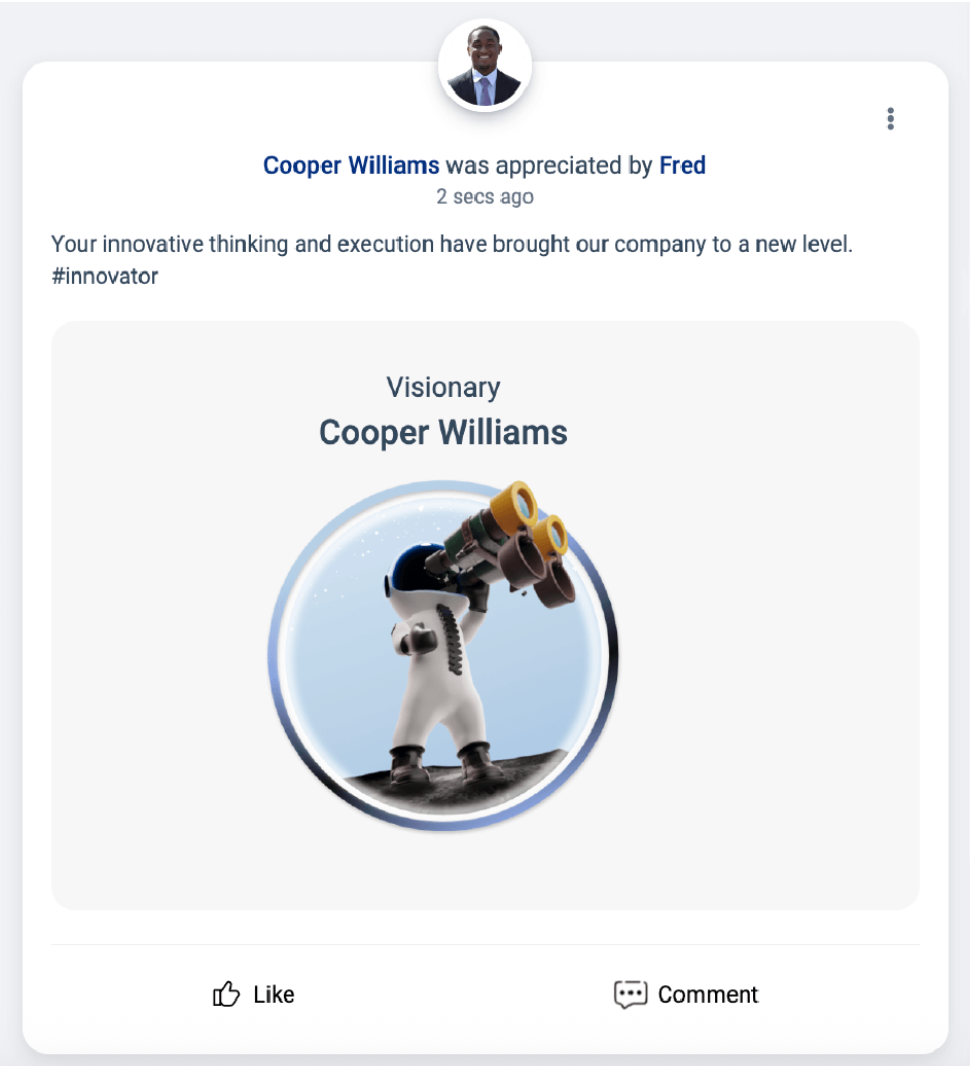
Awards
Type: Symbolic and recognition reward
Use case: Employee-of-the-Month awards, certificates, or trophies celebrate specific achievements. They serve as public validation of excellence and often inspire others to aim for similar recognition, cultivating healthy competition and pride.
Source: Vantage Recognition
-
Stock Options
Type: Financial and ownership reward
Use case: Stock options or equity grants align employee success with company success. They encourage a long-term view of contribution and commitment, particularly in startups and high-growth companies where shared ownership fosters deeper Vantage Recognitionemployee engagement. -
Incentive Trips
Type: Experiential reward
Use case: Blending incentive with Leisure. High-performing employees or teams may be rewarded with travel experiences. Such experiences create lasting positive associations with the organization and often strengthen team bonds. -
Flexible Scheduling
Type: Work-life balance reward
Use case: Allowing employees to choose when or where they work is a powerful modern reward. Flexibility fosters trust and autonomy, showing that the organization values outcomes over rigid processes.
Extrinsic vs Intrinsic Rewards
Understanding the difference between extrinsic and intrinsic reward types helps you build better motivation strategies. Here's a simple comparison:
| Aspect | Intrinsic Rewards | Extrinsic Rewards |
|---|---|---|
| Source | Internal (comes from within you) | External (given by others like managers) |
| Examples | Sense of accomplishment, learning new skills, feeling autonomous, enjoying the work | Bonuses, promotions, awards, public recognition, benefits |
| Motivation Type | Driven by personal values, passions, and interests | Driven by tangible incentives, recognition, or avoiding consequences |
| Impact on Motivation | Long-term and sustainable; builds creativity and genuine engagement | Short-term boost; may reduce intrinsic drive if overused |
| Best Used For | Personal development, innovation, long-term career goals | Meeting performance targets, achieving short-term objectives |
| Sustainability | Grows stronger over time as you master skills | May lose effectiveness once it becomes routine or expected |
Aspect: Source
Intrinsic Rewards: Internal (comes from within you)
Extrinsic Rewards: External (given by others like managers)
Aspect: Examples
Intrinsic Rewards: Sense of accomplishment, learning new skills, feeling autonomous, enjoying the work
Extrinsic Rewards: Bonuses, promotions, awards, public recognition, benefits
Aspect: Motivation Type
Intrinsic Rewards: Driven by personal values, passions, and interests
Extrinsic Rewards: Driven by tangible incentives, recognition, or avoiding consequences
Aspect: Impact on Motivation
Intrinsic Rewards: Long-term and sustainable; builds creativity and genuine engagement
Extrinsic Rewards: Short-term boost; may reduce intrinsic drive if overused
Aspect: Best Used For
Intrinsic Rewards: Personal development, innovation, long-term career goals
Extrinsic Rewards: Meeting performance targets, achieving short-term objectives
Aspect: Sustainability
Intrinsic Rewards: Grows stronger over time as you master skills
Extrinsic Rewards: May lose effectiveness once it becomes routine or expected
Recommended Resource: Extrinsic vs. Intrinsic Motivation- An Overview
Research published in Frontiers in Psychology shows that while external rewards effectively drive short-term behavior change and goal achievement, internal motivation fuels long-term performance. The most effective strategies use both external rewards to recognize and reinforce desired behaviors, and intrinsic motivators like meaningful work, autonomy, and skill development to sustain them.
The key insight: external rewards work best when they don’t undermine internal motivation. Poorly designed reward systems can backfire if employees feel controlled rather than supported, or if rewards come across as manipulative rather than genuine. When recognition feels authentic and fair, it amplifies not replaces an employee’s natural motivation to perform and grow.
Importance of Extrinsic Rewards

Extrinsic rewards are strategic business tools with measurable impact on organizational outcomes.
- Driving Motivation and Performance
External rewards provide clear targets and immediate feedback that drive focused effort. When employees know exactly what behaviors lead to specific rewards, they can direct their energy strategically. Research consistently shows that well-structured reward systems increase productivity, especially for tasks requiring sustained effort or hitting specific numbers.
- Aligning Individual Goals with Company Objectives
Smart reward systems turn company goals into personal motivations. By connecting rewards to key metrics, strategic initiatives, or cultural values, leaders create clear links between individual contributions and business success.
- Improving Retention in Competitive Markets
The 2024 Talent Retention Report shows a clear shift: voluntary quits fell from 43.3% in 2023 to 38.5% in 2024, yet retention remains a key concern. Employees who feel fairly paid and regularly recognized are far less likely to leave. Notably, over half (50.9%) would accept a lower salary for better work-life balance, and 44.6% would do the same for a stronger company culture showcasing that non-cash rewards like flexibility, recognition, and growth can be just as motivating as pay.
SHRM research shows that toxic workplace cultures cost U.S. employers $223 billion over five years, with poor culture driving about 20% of all turnover. This makes effective recognition and reward systems critical tools with direct return on investment.
- Strengthening Employer Brand and Recruitment
Companies known for fair, generous, and creative reward systems attract better talent. Clear communication about total rewards packages - including unique benefits - makes employers stand out in crowded hiring markets.
Strong employer brand translates directly to hiring efficiency turning it into faster time-to-hire, more job offers accepted, and better cultural fit among candidates who choose you based on aligned values and expectations.
Challenges Related to Extrinsic Rewards
Despite their benefits, external reward systems present real challenges that companies must handle carefully.
- Cost and Budget Constraints
Comprehensive reward programs require significant investment, creating tension between desired recognition levels and budget realities.
Smart companies address this through tiered reward systems, non-cash alternatives, and technology platforms that provide high perceived value at manageable costs.
- Fairness and Equity Concerns
Few workplace issues damage culture faster than perceived unfairness in rewards.
Subjective criteria, favoritism, bias, or unclear promotion processes destroy trust and motivation.
Transparent, objective, and consistent reward criteria are essential.
- Risk of Dependency and Decreased Internal Motivation
Over-relying on external rewards can create dependency where employees lose internal motivation and only perform when rewards are present.
The solution lies in balancing external recognition with internal motivation builders: freedom, skill development opportunities, and purpose connection.
- Short-Term Focus vs Long-Term Impact
Many reward systems accidentally encourage short-term thinking at the expense of lasting value creation.
This challenge requires sophisticated reward design that balances short-term achievement recognition with long-term strategic contribution.
Real-World Failure: Wells Fargo Sales Incentive Scandal
The Wells Fargo fake accounts scandal shows what happens when external rewards go catastrophically wrong.
Between 2002–2016, Wells Fargo's aggressive sales incentive structure pressured employees to meet unrealistic targets for opening new accounts.
This reward system created such intense pressure that thousands of employees opened millions of unauthorized accounts to meet quotas.
The result: $3 billion in fines, massive brand damage, and executive resignations.
The failure came from several design flaws: rewards based only on quantity without quality checks, unrealistic targets, and a culture driven by fear.
It shows how poorly designed reward systems can drive destructive behavior and violate company values.
How to Use Extrinsic Rewards Effectively in the Workplace

Strategic implementation transforms extrinsic rewards from simple compensation into powerful culture-building tools.
Define Clear, Measurable Criteria
Ambiguity kills motivation. Establish transparent, objective criteria for earning each reward type. Employees should understand exactly what performance levels, behaviors, or achievements trigger recognition.
Align Rewards with Strategic Goals
Every reward should reinforce organizational priorities. If innovation matters, reward creative problem-solving. If customer satisfaction drives strategy, recognize customer service excellence.
Ensure Fairness and Consistency
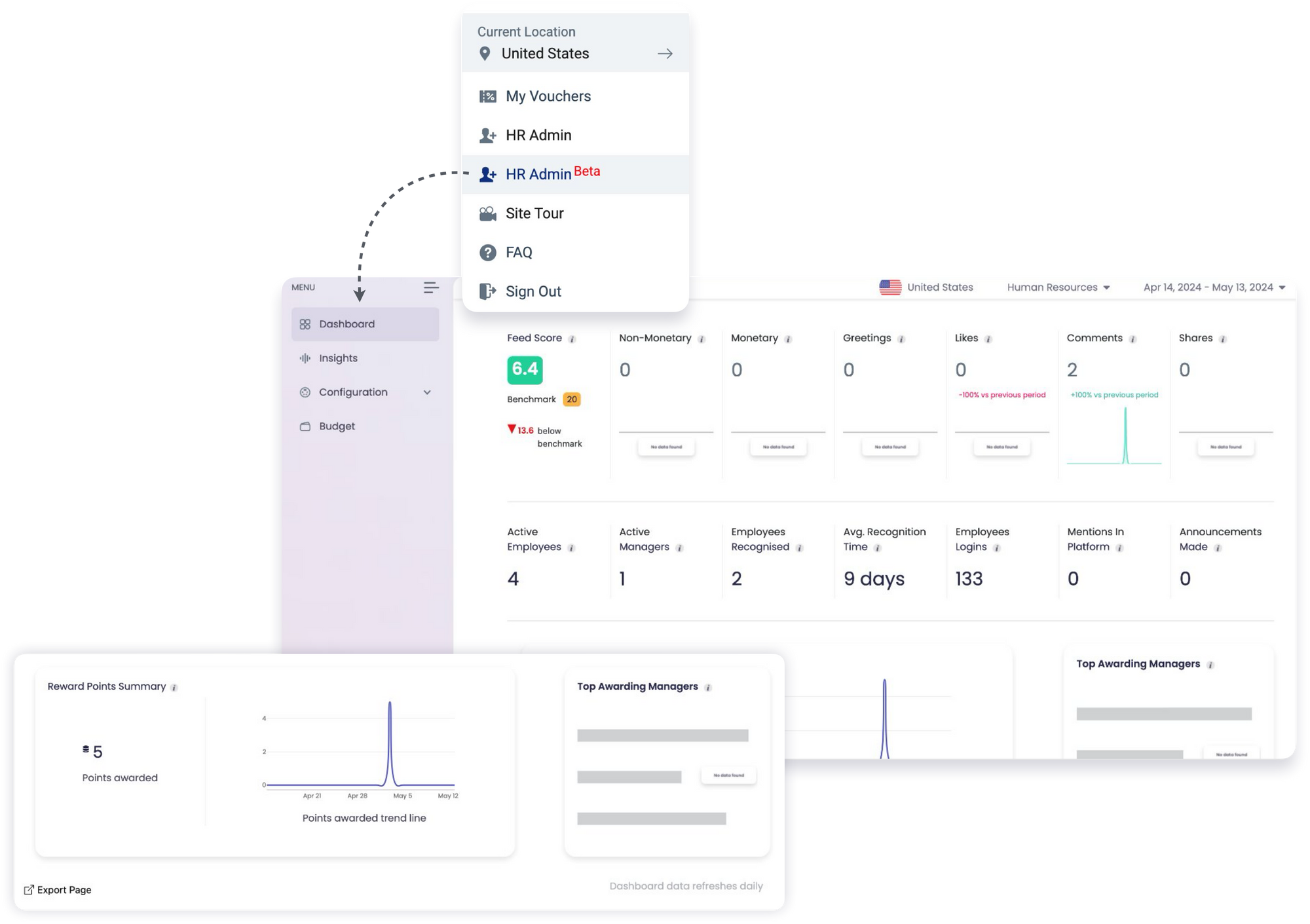
Implement structured evaluation processes that minimize bias. Make reward decisions based on objective data rather than subjective impressions. Use of recognition platforms helps ensure fairness through transparent nomination processes, peer recognition features, and data-driven insights into recognition patterns that reveal potential inequities.
(Source: Vantage Recognition)
Personalize Rewards to Employee Preferences
Implement choice-based reward systems where possible. Some employees prioritize public acknowledgment, others prefer private appreciation. Some value experiential rewards, others want cash. Vantage Recognition & Rewards offers global catalog options spanning merchandise, experiences, gift cards, and charitable donations, enabling employees to select rewards that resonate personally rather than receiving one-size-fits-all recognition.
Balance Frequency and Significance

Design tiered reward systems with frequent small recognitions (peer appreciation, spot bonuses) complemented by significant milestone rewards (promotions, major bonuses). This balance maintains consistent positive reinforcement while preserving the special nature of major achievements.
Incorporate Gamification Techniques
Gamification applies game design elements to workplace reward systems, tapping into intrinsic motivations for achievement, competition, and progression while delivering extrinsic rewards. Effective gamification includes:
-
Badges and achievements that recognize specific skills, behaviors, or milestones
-
Leaderboards that create friendly competition and visibility for top performers
-
Progress bars and levels that visualize advancement toward goals
-
Point systems that accumulate toward meaningful rewards
-
Challenges and quests that make routine tasks more engaging
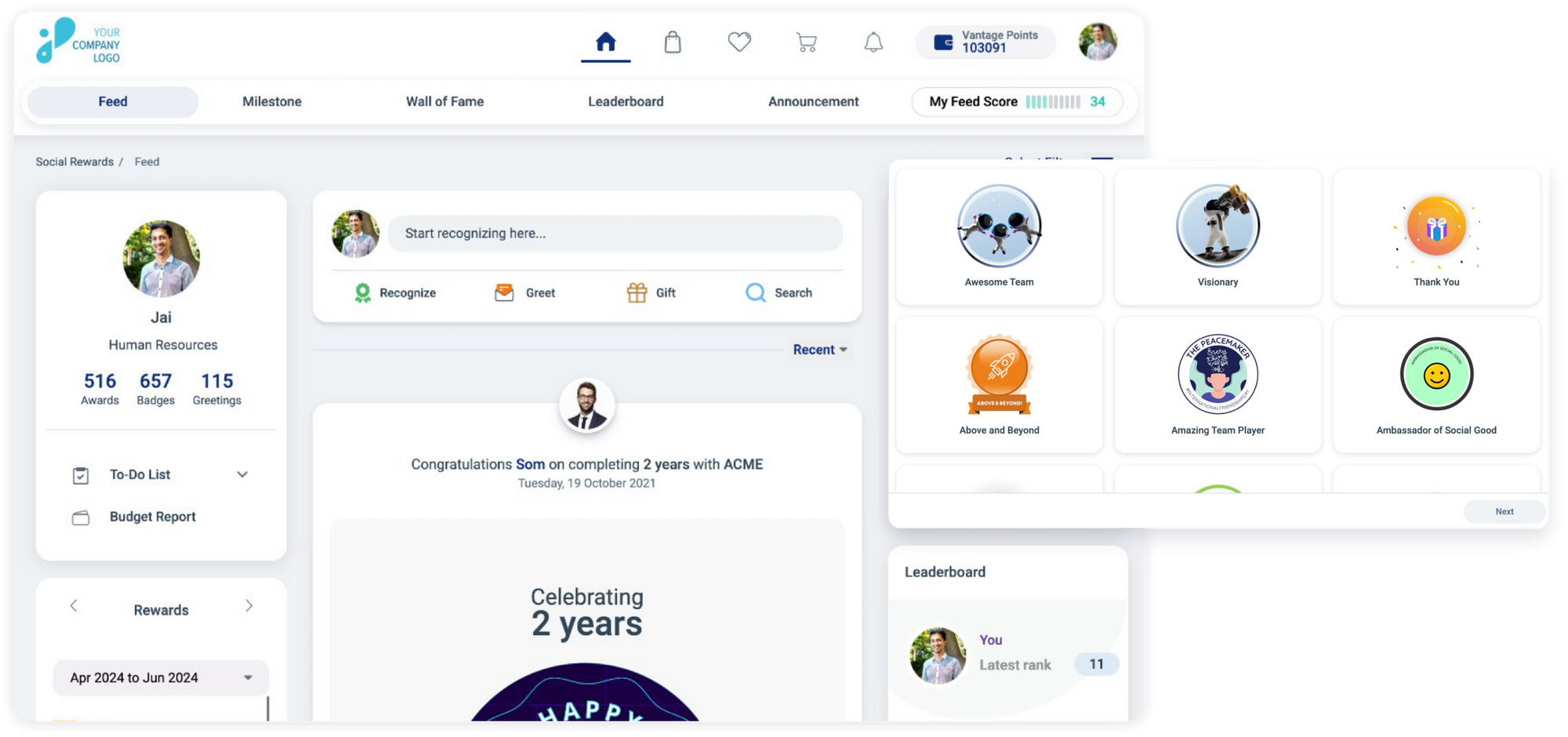
Recognition platforms help turn recognition into an engaging experience through badges, leaderboards, and a digital Wall of Fame. By blending gamification with real-time analytics, they boosts participation and strengthens the link between behavior and reward.
(Source: Vantage Recognition)
Did you Know : According to statistics, companies that use gamification are seven times more profitable than those that do not use gamified elements at work.
Leverage Modern Recognition Technology
Manual reward administration is inefficient, inconsistent, and difficult to scale. Modern platforms streamline recognition while enhancing impact:
Vantage Recognition provides comprehensive global recognition & rewards infrastructure with automation, localized catalog options, and seamless integration with HRIS systems
WorkTango offers employee recognition software with social feeds, peer nominations, and milestone celebrations
Kudos focuses on culture-building through values-aligned recognition and real-time appreciation
These platforms don't just automate distribution—they create social recognition ecosystems where appreciation becomes visible, shareable, and culturally embedded rather than invisible one-to-one transactions.
Conclusion
Extrinsic rewards remain essential, but their impact depends on how thoughtfully they’re designed and delivered. The most effective organizations balance external incentives with intrinsic motivators like purpose, growth, and autonomy.
When rewards reinforce, not replace internal motivation and reflect genuine values, they build lasting engagement and trust. As work evolves with flexibility, technology, and shifting expectations, reward strategies must evolve too.
The future of work belongs to organizations that combine tangible recognition with meaningful experiences where employees feel both valued and fulfilled.
FAQs

What are extrinsic rewards?
Extrinsic rewards are external benefits provided by employers to motivate employees and recognize performance. They include money (bonuses, raises), career growth (promotions), recognition (awards, acknowledgment), benefits (health insurance, retirement), and flexibility (PTO, remote work options).
What is the difference between intrinsic and extrinsic rewards?
Intrinsic rewards come from internal satisfaction - accomplishment, growth, and meaning from work itself. Extrinsic rewards are external benefits like money, recognition, or perks. Internal motivation is sustainable long-term, while external rewards provide immediate impact. Effective companies balance both approaches.
What are the different types of extrinsic rewards?
Main types include: money-based (bonuses, raises, commissions), career advancement (promotions), recognition (awards, public praise), benefits (insurance, retirement plans), time-based (PTO, flexible scheduling), ownership (stock options), and experiences (trips, conferences).

Supriya Gupta leads the Content team at Vantage Circle where she drives strategy and thought leadership across digital channels.With over a decade of experience in corporate and marketing communications, she specializes in storytelling that connects brand purpose with audience engagement. Her bylined work at Vantage Circle has been featured in platforms like Comp and Benefits Today, while her ghostwritten contributions—crafted in her role as a communications expert—have supported global brands across tech, media, and FMCG sectors, including Intel, ESPN, Pepsi, and the World Bank. Connect with Supriya on LinkedIn and X, or reach out to editor@vantagecircle.com for inquiries.