









What Are the Levels of Recognition? A Guide to Tiers & Maturity Models

A Global Employee Recognition and Wellness Platform
Most organizations struggle with fundamental confusion when exploring recognition programs.
They find guides that talk about budget tiers like bronze, silver, and gold reward categories.
Other resources focus on software maturity, like basic tools versus advanced platforms.
But here's the problem: neither approach tells the complete story.
Recognition programs fail when organizations optimize for only one dimension. A company might invest in premium rewards but use outdated processes. Another might implement sophisticated software while offering minimal reward value.
The result? Disengaged employees and wasted budgets.
Here's the thesis that changes everything: A true "Level 4" organization masters both the value of the reward and the maturity of the process.
Think of it like a matrix. One axis represents what employees receive. The other represents how they receive it. Organizations at the highest level excel at both dimensions simultaneously.
This guide breaks down both dimensions of recognition levels. Readers will understand where their organization currently stands. More importantly, they'll learn the specific steps needed to advance.
Let's explore what each level actually means and how organizations can climb from basic acknowledgment to strategic excellence.
Key Takeaways
- What are the levels of recognition?
- Understand both Dimension 1 and Dimension 2.
- The types of recognition that you can follow
- How to measure the success of each level of recognition?
- What are the advantages of having a multi-level recognition program?
- How to choose the right levels for your company?
What Are Levels of Recognition? (The 2-Dimensional Approach)

Here's where most organizations get confused.
They think "levels of recognition" means one thing. Maybe it's bronze versus gold rewards. Maybe it's basic software versus advanced platforms.
But effective recognition actually works on two separate dimensions.
Think of it like coffee. A great cup needs good beans and good brewing. Amazing beans brewed poorly? Disappointing. Cheap beans brewed perfectly? Still just okay.
Recognition works the same way.
The Recognition Tiers: What Is the Impact and Value?
This dimension is about what employees receive.
It categorizes recognition by achievement size and reward value. Someone who helps a colleague deserves acknowledgment. Someone who lands a major client deserves something more substantial.
The tiers create proportionality. Bronze for smaller contributions. Silver for significant achievements. Gold for game-changing impact.
According to Gallup, employees feel more engaged when recognition matches their contribution level. It's about fairness and clarity.
This dimension answers one question: What should organizations give based on the specific business impact?
The Organizational Maturity: How Sophisticated Is the Delivery?
This dimension examines how organizations deliver recognition.
It tracks evolution from casual, ad-hoc appreciation to systematic, integrated programs. Some companies rely on managers remembering to say thanks. Others have built recognition into their daily workflows.
Maturity isn't about spending more. It's about building better systems.
Deloitte found that organizations with mature recognition programs see a 31% lower voluntary turnover. The sophistication of delivery determines whether recognition becomes a habit or remains an afterthought.
This dimension measures consistency. Is recognition a cultural norm or just a casual occurrence?
Why Both Dimensions Matter
Organizations need both to succeed.
Generous rewards with no system? Employees feel confused about when and why recognition happens. Perfect systems with minimal rewards? Employees feel the process is hollow.
The sweet spot is the intersection. Companies that master both dimensions turn recognition into a strategic advantage. They see real improvements in engagement and retention.
Understanding these two dimensions helps organizations identify where they stand today and where they need to go next.
Dimension 1: The 4 Tiers of Impact (Structuring Your Rewards)

Now let's break down the first dimension, which is “what employees actually receive”.
These tiers help organizations match recognition to achievement size. They create a clear ladder from everyday appreciation to prestigious honors.
Most companies already do some form of recognition at each level. The difference is whether they do it intentionally or accidentally.
Level 1: Micro-Recognition (Everyday Appreciation)
This is the foundation of any healthy recognition culture.
Micro-recognition happens frequently. It's peer-to-peer, social, and typically costs nothing. An employee helps troubleshoot a problem. A colleague publicly thanks them in a team channel.
These moments seem small. But they add up fast.
Organizations that encourage daily appreciation create environments where people feel seen. The recognition doesn't come from the top down. It flows naturally between team members.
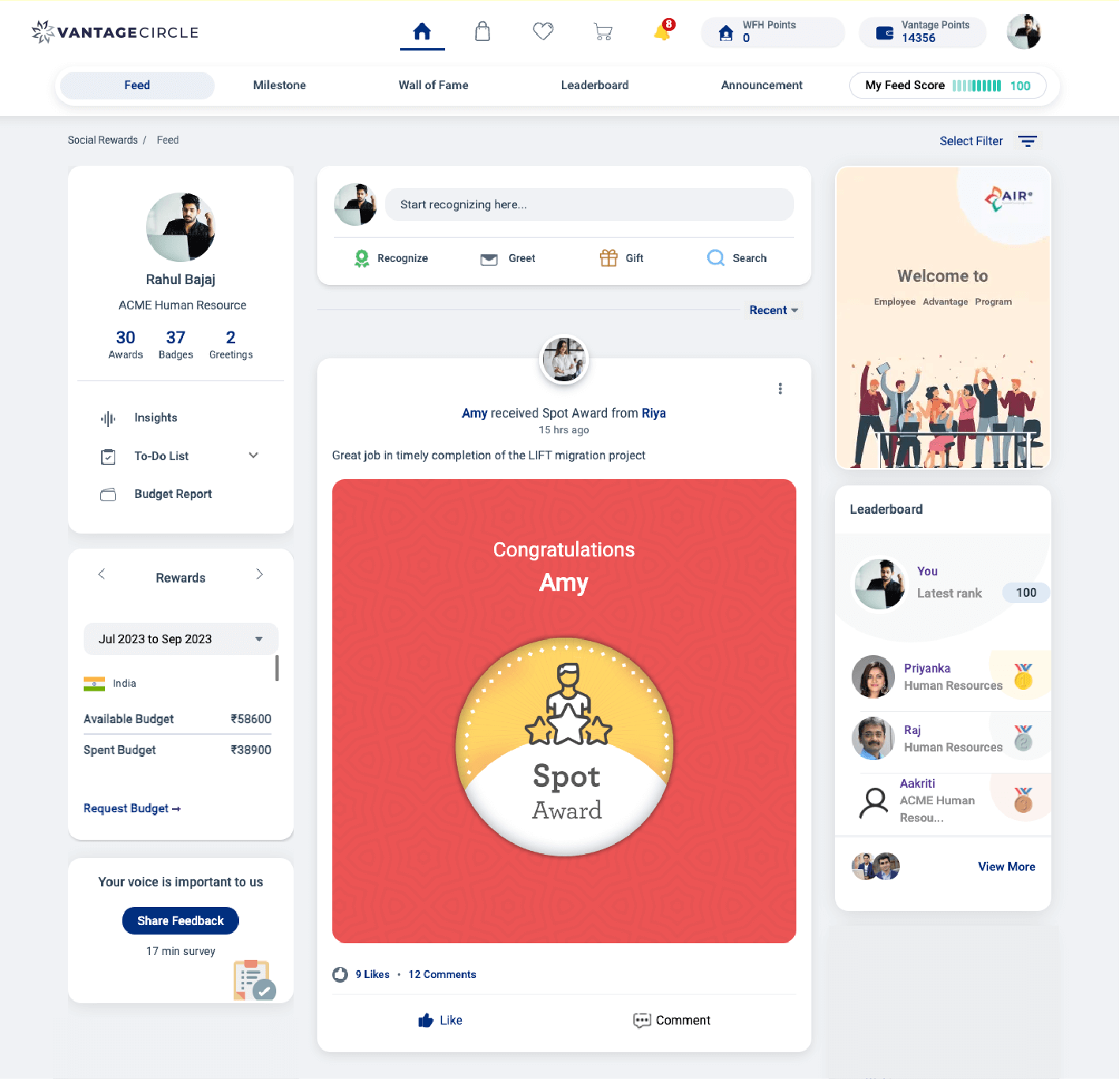
💡 Vantage Circle Solution: The Social Feed in Vantage Recognition enables instant, mobile-first kudos that democratize praise. Employees can recognize each other the moment something noteworthy happens.
Level 2: Bronze Recognition (Spot Awards)
Bronze tier rewards acknowledge specific accomplishments.
These are "on-the-spot" awards for completed projects, extra effort, or going beyond normal expectations. An employee stays late to meet a deadline. A team member takes initiative on a challenging task.
The recognition needs to happen quickly. Delayed appreciation loses its impact.
According to HBR research, timely recognition reinforces desired behaviors more effectively than delayed rewards. The connection between action and acknowledgment matters.
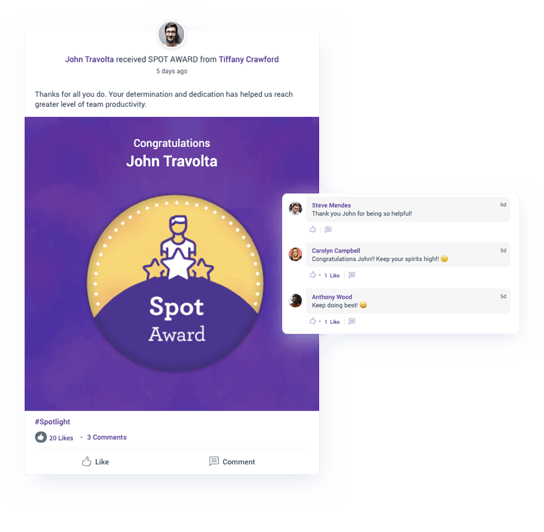
💡 Vantage Circle Solution: Automated approval workflows allow managers to issue points instantly without waiting for HR gatekeepers. Recognition happens when it should and on the spot.
Level 3: Silver Recognition (Consistent Performance)
Silver tier celebrates sustained excellence over time.
These are monthly or quarterly awards for employees who consistently deliver. Think "Employee of the Quarter" or departmental performance awards.
The key difference? Silver recognition rewards patterns, not single events.
An employee who performs well once might deserve bronze. An employee who performs well every single week deserves silver. Organizations need data to identify these consistent contributors, not just manager intuition.
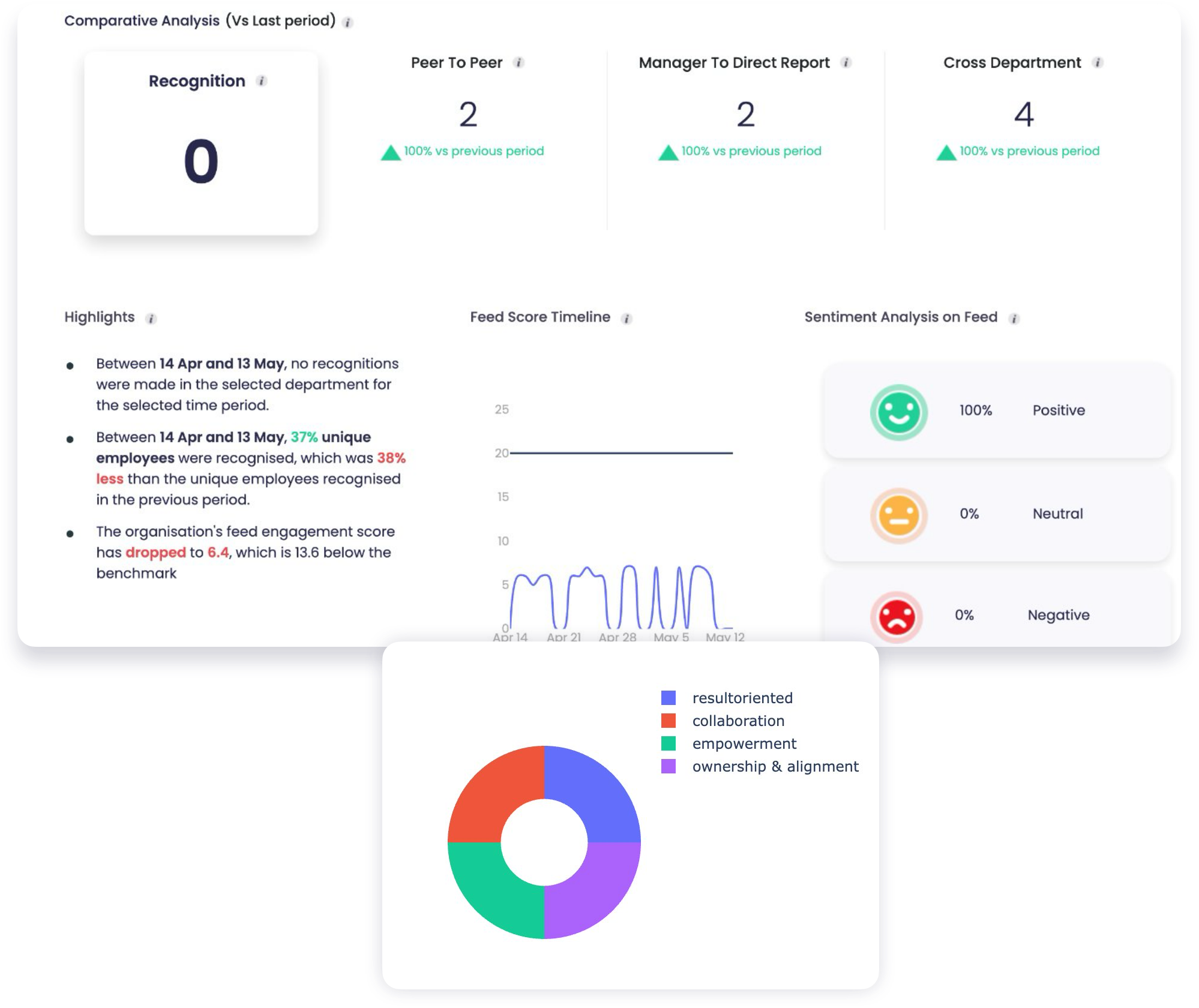
💡 Vantage Circle Solution: Manager dashboards in Recognition platform helps identify consistent top performers through actual data, not guesswork. The system tracks patterns that are essential to qualify for this award.
Level 4: Gold Recognition (Prestigious Honors)
Gold tier is reserved for exceptional contributions.
Annual awards, innovation breakthroughs, and major tenure milestones are part of this tier. These recognitions celebrate the top 1% of achievements. Some of the examples include-
-
An engineer who patents game-changing technology.
-
A salesperson who exceeds targets by 300%.
-
A leader who transforms company culture.
-
An employee who completed years of tenure with the organization.
These moments deserve ceremony and substance.
Gold recognition often includes significant monetary rewards, public celebration, and career-advancing opportunities. Organizations should make these moments feel special and rare.
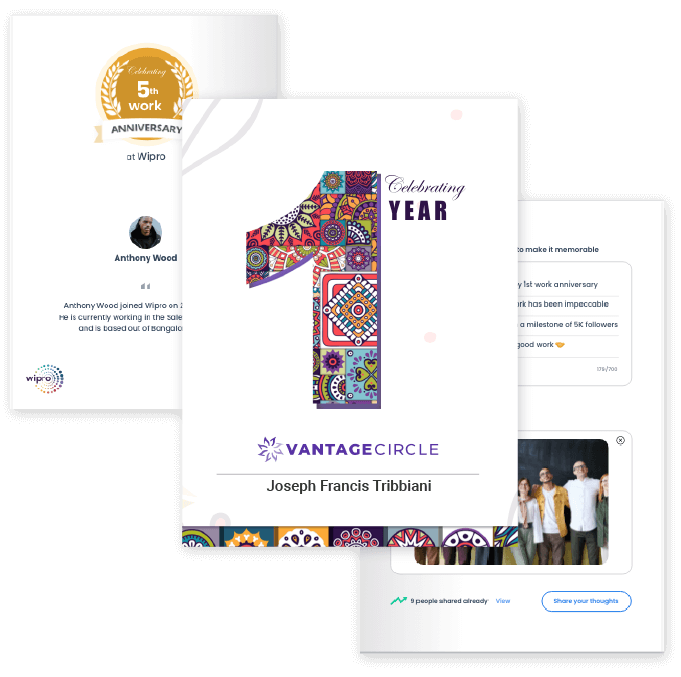
💡 Vantage Circle Solution: Customizable "Yearbook" features and high-value catalog redemptions ensure organizations can honor their top talent appropriately.
Dimension 2: The 4 Levels of Maturity (Assessing Your Process)

Now let's talk about the second dimension—how organizations actually run their recognition programs.
This is where things get interesting. Two companies might offer identical rewards but get completely different results. The difference? Process maturity.
Maturity isn't about complexity. It's about consistency, integration, and cultural embedding. Organizations evolve from chaotic manual efforts to sophisticated systems where recognition becomes automatic.
Here's the reality: Even generous rewards fail when delivered through immature processes. Employees lose trust when recognition feels random or unfair.
Let's walk through each maturity level.
Maturity Level 1: Casual (Ad-Hoc)
This is where most organizations start.
Recognition happens randomly. A manager remembers to say "thank you" when they're in a good mood. Maybe someone sends an occasional email. There's no tracking, no consistency, no system.
Employees notice the chaos. Some get recognized frequently. Others do excellent work and hear nothing. The randomness breeds resentment.
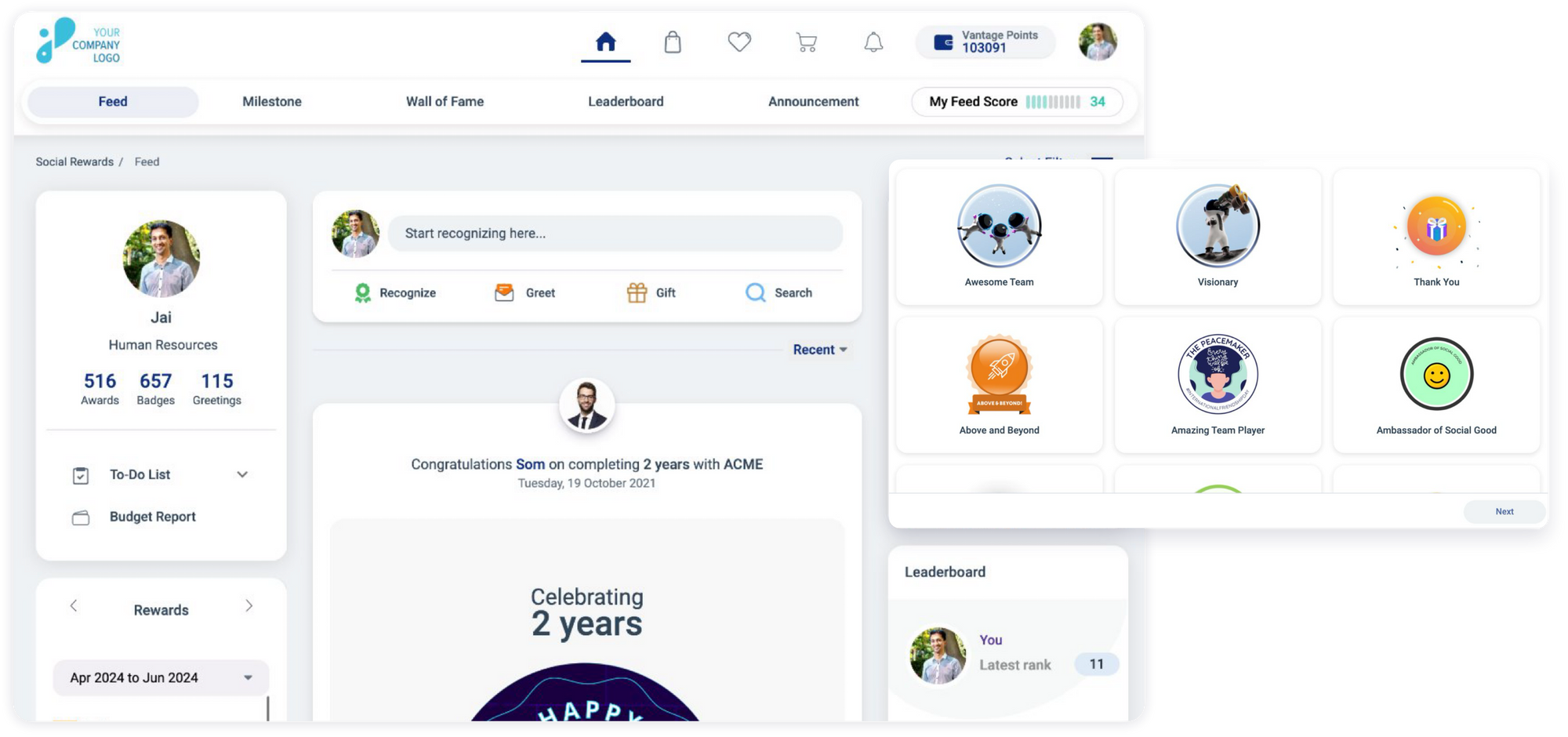
The Fix: Vantage Recognition provides quick recognition tools that bring structure to chaos. Instead of relying on memory, managers have a system that prompts and tracks appreciation.
Maturity Level 2: Designated (Structured)
Organizations at this level have taken a step forward.
Specific channels exist for recognition. Maybe there's a MS Teams channel called Kudos. Perhaps HR created a form for submitting appreciation. The infrastructure is there.
But here's the problem: participation remains low.
Employees need to remember to visit a separate platform or channel. Recognition becomes another task on an already overwhelming list. Good intentions don't translate to consistent action.
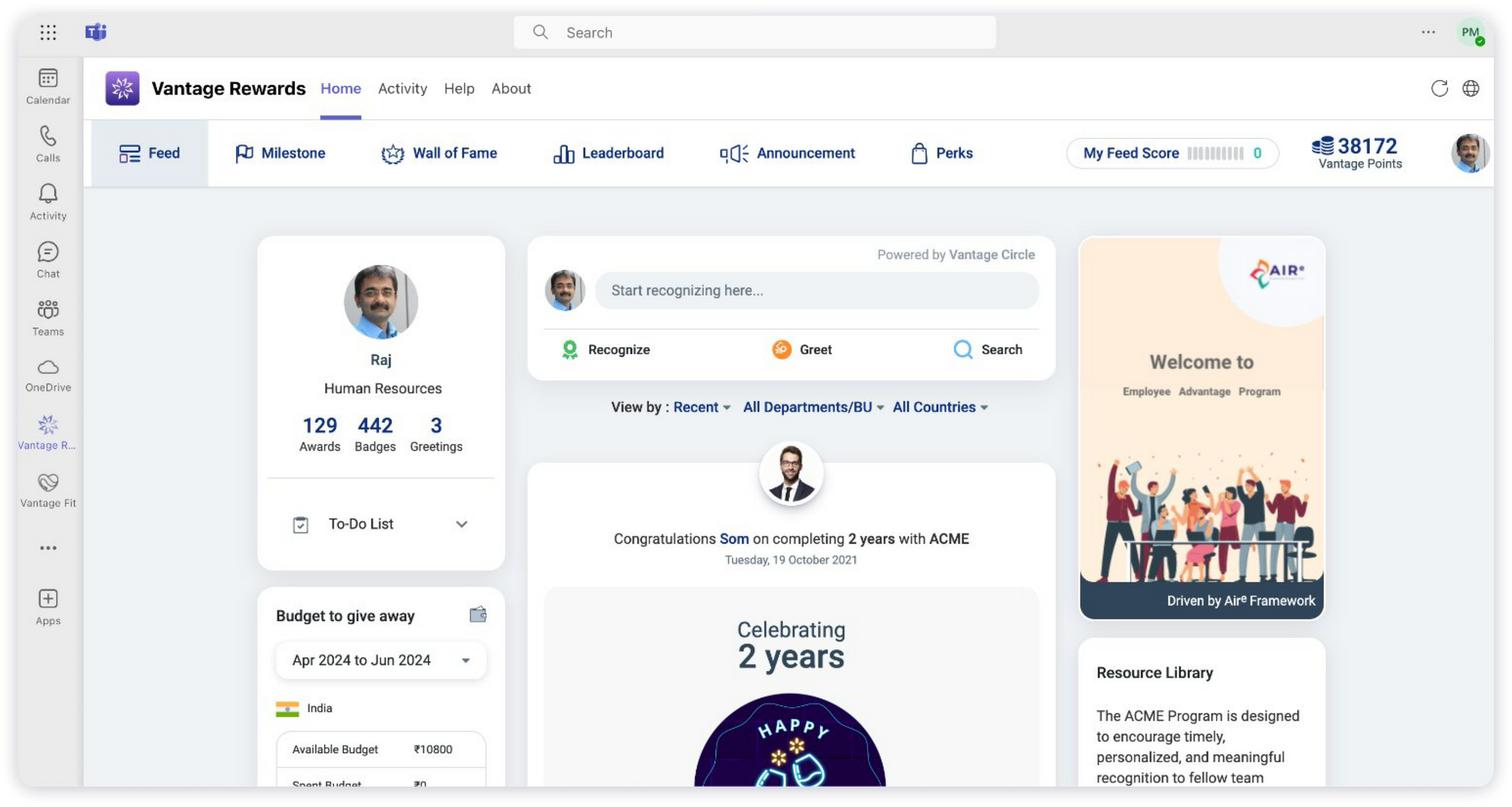
The Fix: Vantage Circle integrates directly with MS Teams and Slack to nudge users where they already work. Recognition doesn't require extra steps or platform switching.
Maturity Level 3: Gamified (Engaged)
Now things get exciting.
Organizations at this level have created healthy competition around recognition. Leaderboards show who's giving and receiving the most appreciation. Badges reward consistent participation. Teams engage actively.
Gallup research shows that highly engaged teams, supported by effective recognition, achieve 14% higher productivity than disengaged teams. Gamification taps into natural human motivation.
The culture shifts. Recognition becomes something people want to participate in, not something they're told to do.
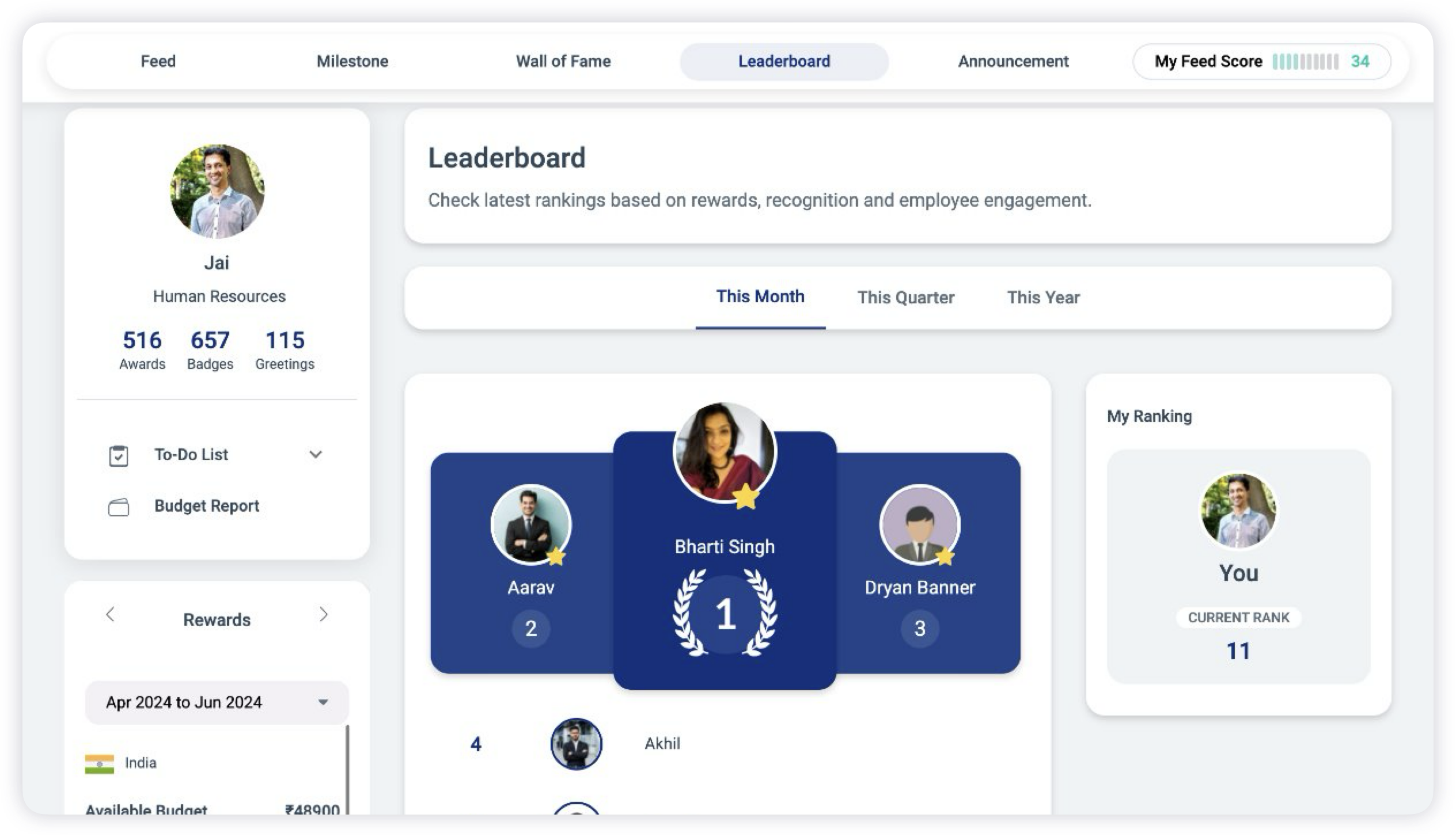
The Fix: Vantage Recognition Leaderboards and Badges drive friendly competition that keeps participation high. The game mechanics make recognition feel rewarding for givers and receivers.
Maturity Level 4: Integrated Ecosystem (Strategic)
This is the pinnacle of recognition maturity.
Programs at this level are AI-driven and data-backed. Recognition connects to retention metrics, wellness initiatives, and business outcomes. Everything flows together seamlessly.
Organizations don't just recognize achievements. They predict who needs recognition before disengagement happens. They tie wellness activities to reward points. They measure everything and optimize continuously.
This isn't science fiction. It's what leading organizations are building today.
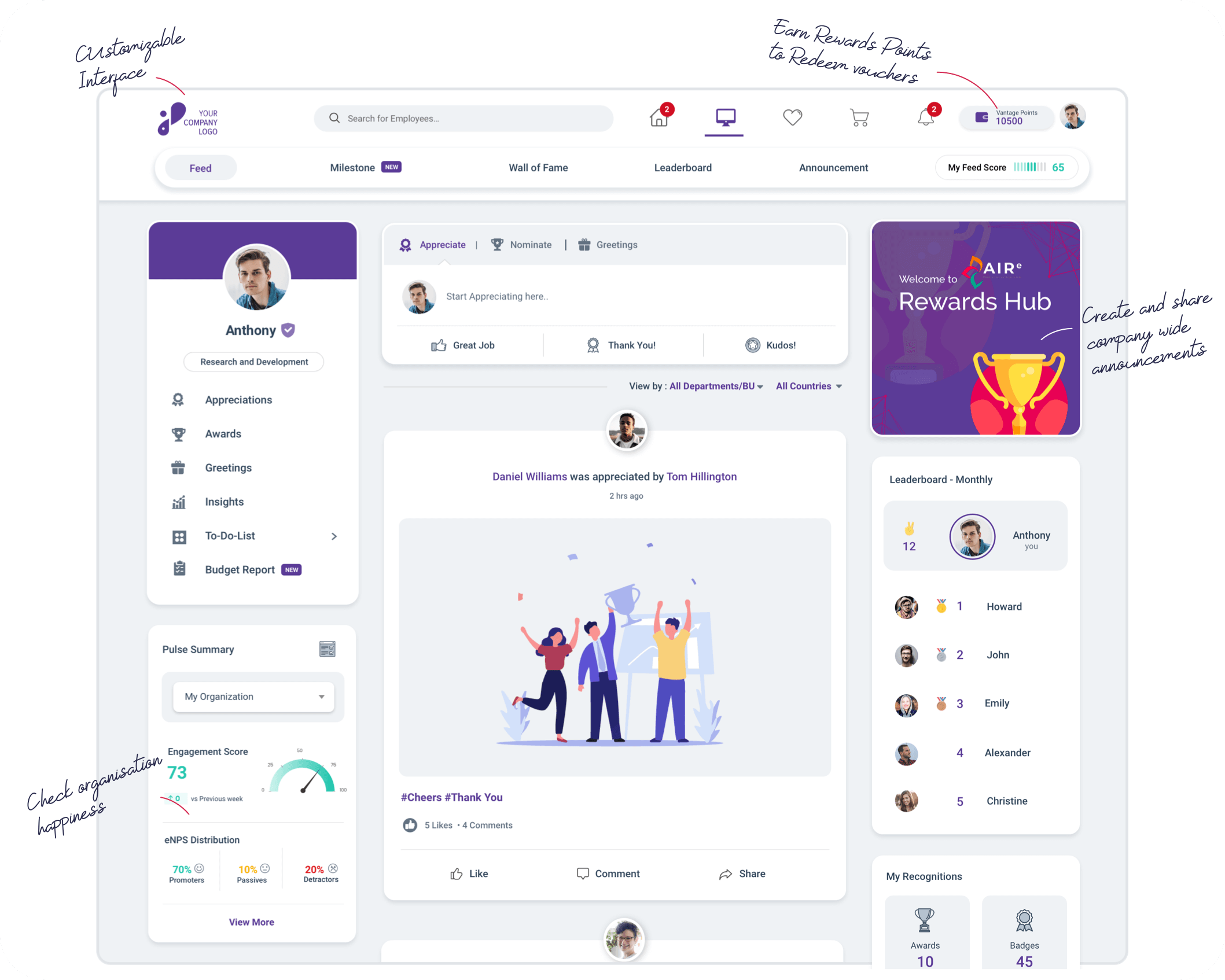
The Fix: The Unified Suite connects multiple dimensions of employee experience. Vantage Fit tracks wellness activity and converts it to Vantage Recognition points. Vantage Pulse measures the impact on engagement. The entire ecosystem works together strategically.
Types of Recognition: Formal, Informal, and Cultural

Recognition programs need variety to work effectively.
Different situations call for different approaches. Organizations that rely on only one type miss opportunities to connect with employees meaningfully.
Let's explore three key distinctions.
A. Formal vs. Informal: Why You Need Both Tier 1 and Tier 4
Informal recognition happens spontaneously and on the spot.
A quick "great job" in a meeting or a thank-you message after someone helps solve a problem builds daily connection and trust.
Whereas formal recognition is structured, ceremonial, and official.
Things like annual awards, milestone celebrations, and major achievement announcements create memorable moments that employees remember for years.
Organizations need both. Informal recognition keeps teams energized daily. Formal recognition creates career-defining moments. One builds the foundation. The other builds the milestones.
B. Monetary vs. Non-Monetary: Points Meet Appreciation
Some employees value tangible rewards. Others crave genuine acknowledgment.
Smart organizations don't force a choice. Monetary recognition like bonuses and gift cards provides practical value. Non-monetary recognition like public praise and handwritten notes provides emotional value.
Vantage Recognition combines both approaches seamlessly. Points give employees monetary flexibility to choose rewards they actually want. Appreciation notes provide the heartfelt acknowledgment that makes recognition feel personal.
Aon’s framework emphasizes that total rewards should include both financial (monetary) and non-financial (non-monetary) elements such as career development, benefits, work environment, and recognition as part of a holistic strategy that better drives business outcomes. (Source)
C. Peer-to-Peer vs. Manager-Led: Building Culture While Validating Performance
A horizontal culture is built with the help of peer-to-peer recognition.
When colleagues start recognizing each other, team bonding strengthens. Recognition becomes available for everyone. This way you can make employees feel valued by the people they work with daily.
On the other hand, manager-led recognition acknowledges performance officially.
When a leader recognizes good work, it carries institutional weight. It signals that the organization takes note of what employees are contributing towards the common cause.
As Gallup data indicates 24% of employee’s memorable recognition comes from an organization’s CEO.
The balance matters. Peer recognition creates belonging. Manager recognition creates career momentum. Organizations need both to build cultures where people feel genuinely appreciated and professionally validated.
How to Measure the Success of Each Level of Recognition?

Here's a question most HR leaders struggle to answer: Is our recognition program actually working?
Organizations launch initiatives with enthusiasm. They invest in platforms and training. But measuring the real impact? That's where things get disoriented.
Recognition programs generate tons of activity. The challenge is separating metrics from meaningful outcomes. Likes and shares feel good but don't prove business value.
Let's break down three measurement approaches that matter.
1. Measuring Frequency (Adoption)
Start with the basics: Is anyone actually using the program?
The key metric here is percentage of employees giving and receiving recognition. If only 15% of the workforce participates, the program hasn't reached critical mass. If 80% engage regularly, recognition has become a habit.
Frequency reveals cultural acceptance of the program. Low adoption means the program exists in theory but not in practice. High adoption signals that recognition has become part of how people work.
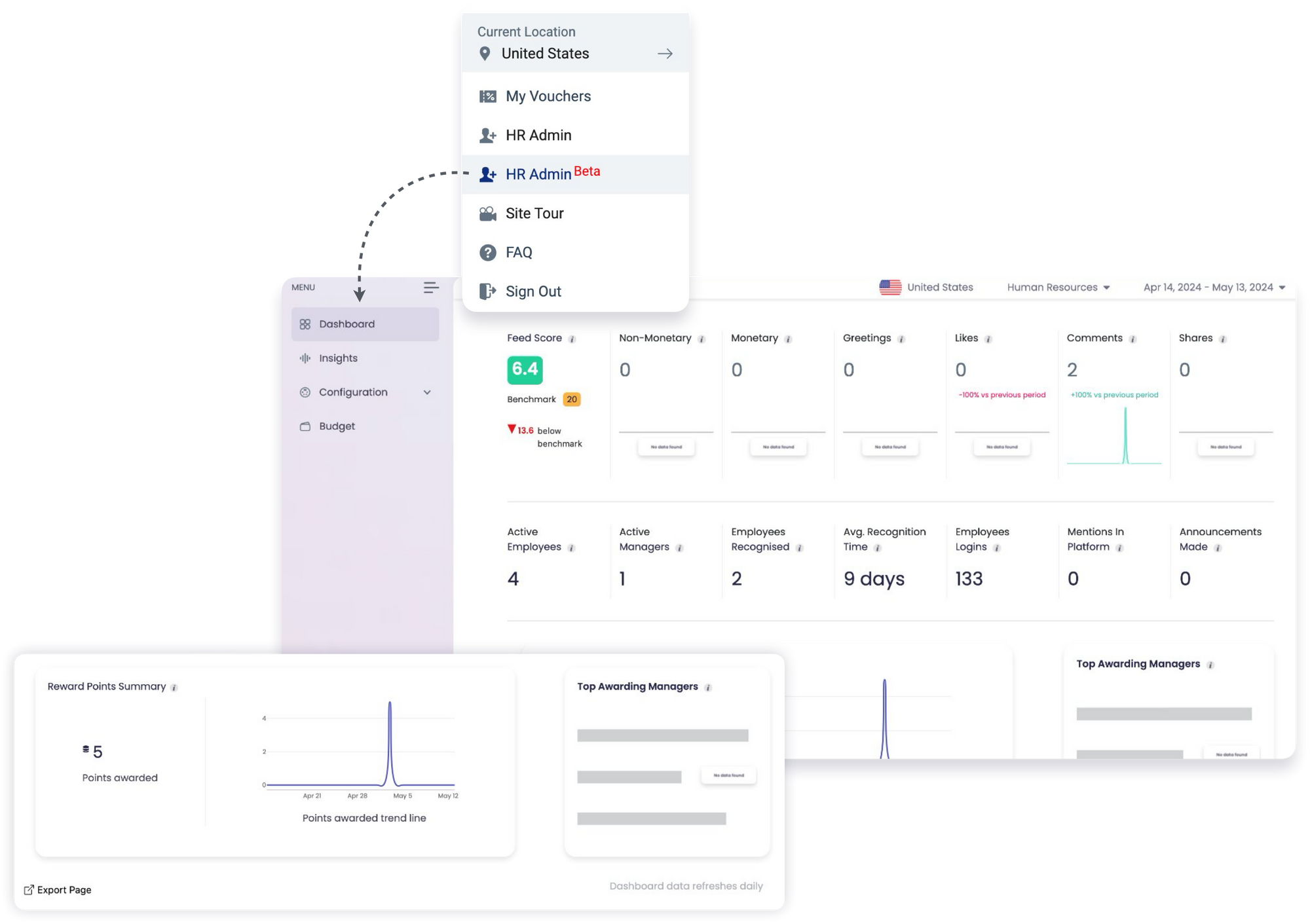
Tool: Vantage Recognition Admin Dashboard tracks these participation rates in real-time. Leaders can spot departments with low engagement and intervene before the program stalls.
2. Measuring Impact (Engagement)
Adoption tells you people are using the system. Impact tells you whether it's changing how they feel.
The critical metric? Correlation between recognition received and eNPS scores. Employees who receive consistent recognition should show measurably higher engagement than those who don't.
Gartner research shows that higher engagement drives discretionary effort, with engaged employees 31% more likely to exceed expectations. But every organization needs to verify this relationship with their own data.
This measurement answers a crucial question: Does recognition actually improve employee sentiment, or are we just checking a box?
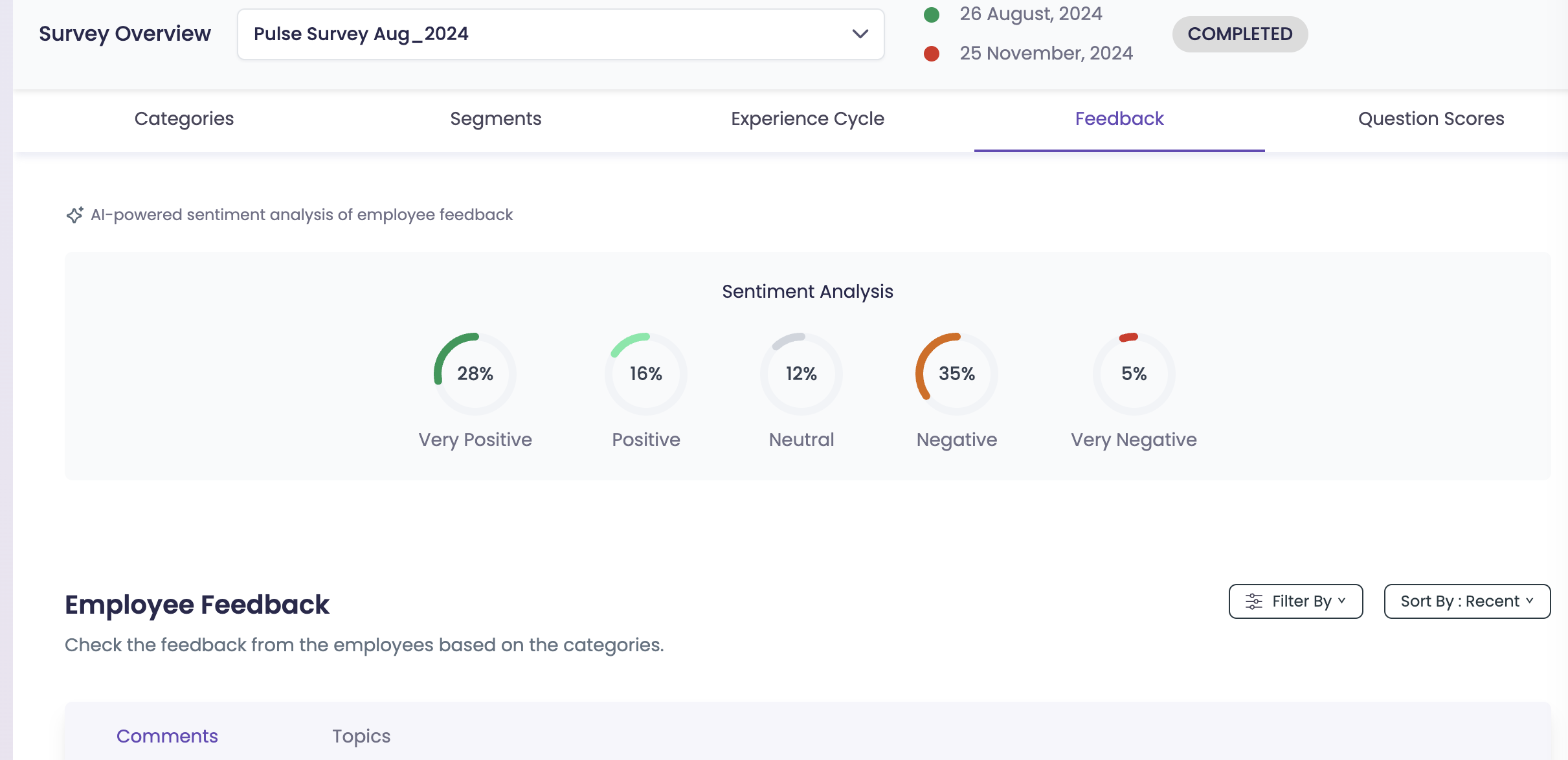
Tool: Vantage Pulse Sentiment Analysis connects recognition data with engagement surveys. The platform identifies patterns between appreciation frequency and employee Net Promoter Scores automatically.
3. Measuring Business ROI (Retention)
This is where recognition proves its business value.
The ultimate metric is turnover rates—specifically, comparing recognized versus unrecognized employees. If recognition doesn't reduce attrition among top performers, the program isn't delivering strategic value.
The data often surprises leaders. Organizations might discover that certain recognition types drive retention while others have minimal impact. Maybe peer recognition correlates with retention in junior roles, while formal awards matter more for senior talent.
According to Gallup, employees who don't feel recognized are twice as likely to quit within the next year. Measuring this relationship turns recognition from a feel-good initiative into a retention strategy.
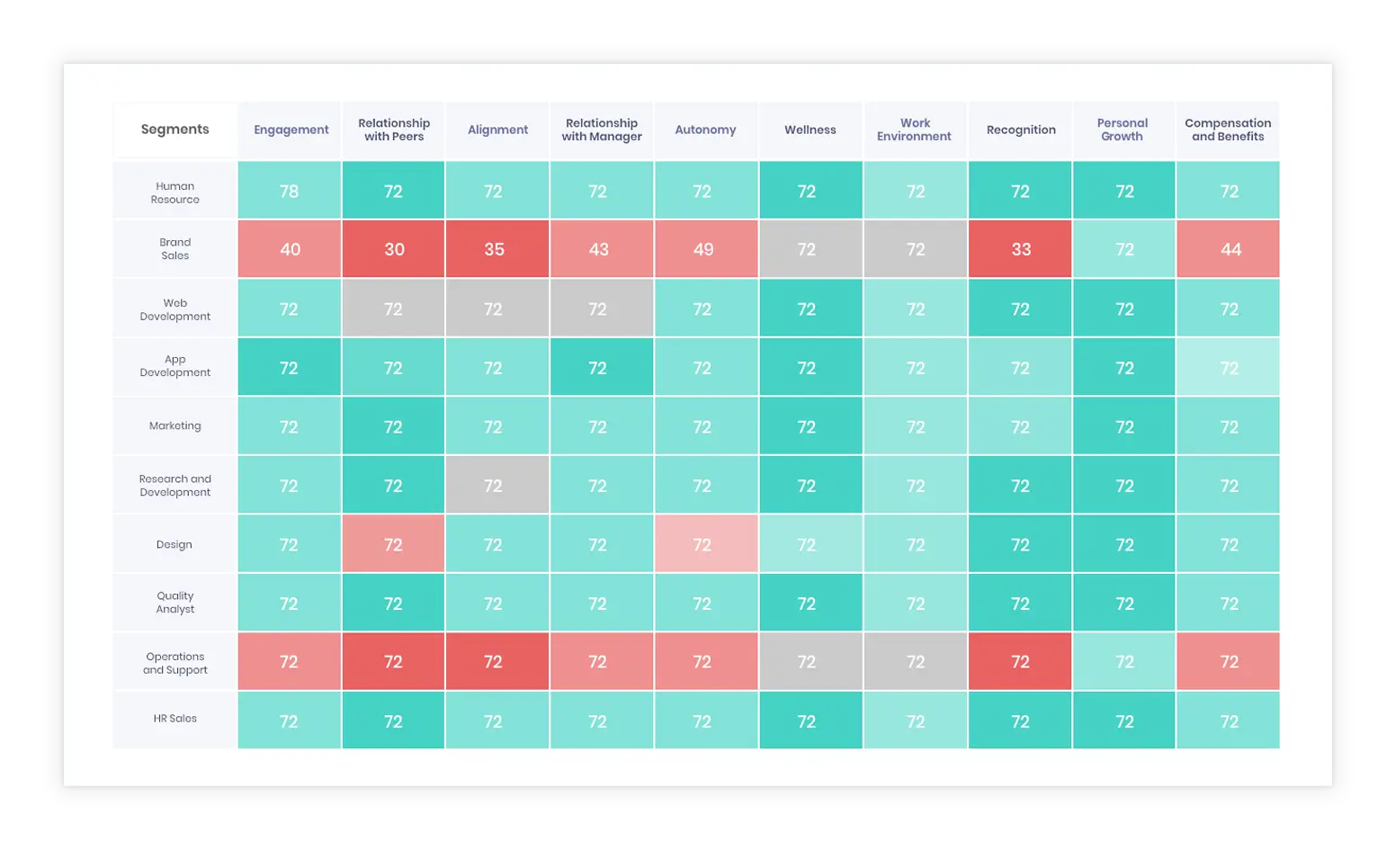
Tool: Vantage Analytics Heatmaps visualize turnover patterns across recognized and unrecognized populations. Leaders can identify which teams need more recognition attention before talent walks out the door.
What Are the Advantages of Having a Multi-Level Recognition Program?

Single-tier recognition programs create problems nobody talks about.
When organizations treat all achievements the same, two things happen. Small contributions get over-rewarded. Major achievements get under-recognized. Neither feels right to employees.
Multi-level programs solve this by creating proportional response systems. Different accomplishments deserve different recognition—and employees instinctively understand this fairness.
Let's explore the concrete advantages.
1. Eliminates Bias and Favoritism
Here's an uncomfortable truth: Manual recognition systems favor extroverts.
The loud achievers get noticed. The quiet ones doing exceptional work? Often overlooked. Managers recognize people they interact with frequently while missing remote team members or night shift workers.
Multi-level programs with automated prompts change this dynamic. Systems can identify quiet achievers through performance data rather than visibility. Recognition becomes merit-based instead of personality-based.
Automated nudges ensure nobody slips through the cracks. The platform reminds managers when someone hasn't received recognition in 90 days. It flags consistent performers who deserve silver-tier awards. It removes the human tendency to only remember the most recent or most vocal contributors.
2. Engages the Entire Workforce
Different employees need different types of recognition.
Support staff might never qualify for "Salesperson of the Year." Top executives rarely need peer-to-peer micro-recognition. Single-tier programs inevitably leave large portions of the workforce feeling excluded.
Multi-level programs create entry points for everyone. Micro-recognition reaches support staff who keep operations running smoothly. Bronze awards acknowledge project teams. Silver celebrates consistent department performers. Gold honors the top 1% who transform the business.
According to Gallup, just one in three employees received recent recognition, indicating a widespread appreciation gap. Multi-level programs address this by ensuring recognition exists for contributions at every level—not just the headline achievements.
3. Optimizes Budget Allocation
Recognition budgets are finite. The question is how to spend them wisely.
Multi-level programs allow strategic investment. Organizations can spend heavily on gold-tier recognition for transformational contributions while spending smartly on bronze-tier appreciation. The budget stretches further because not every recognition moment requires significant monetary investment.
This prevents two common mistakes. Some companies spend so little that recognition feels meaningless. Others distribute rewards so broadly that major achievements don't feel special.
The tiered approach creates clarity. Finance understands where money goes and why. HR can justify budgets based on achievement tiers. Employees see transparent criteria for different recognition levels.
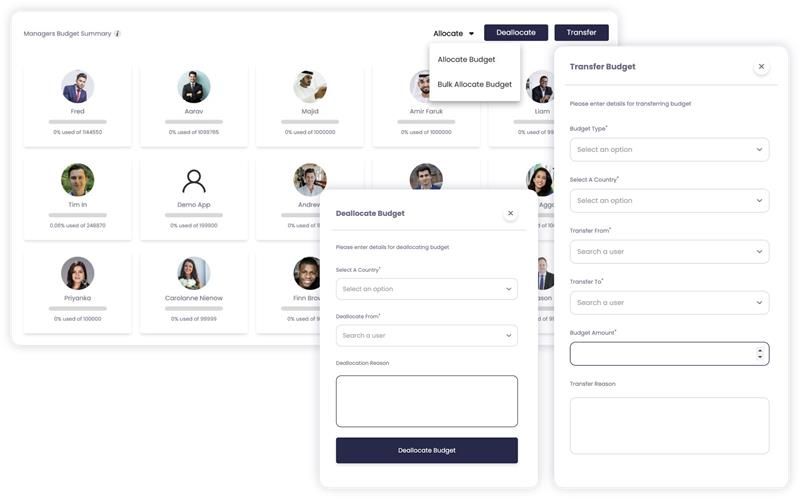
Vantage Recognitions' unified budget ledger keeps finance teams happy. The platform tracks spending across all tiers, prevents budget overruns, and generates reports that show ROI by recognition level.
How to Choose the Right Levels for Your Company

Not every organization needs the full four-tier framework immediately.
Recognition programs should match company size, structure, and culture. A startup with 30 employees doesn't need the same complexity as a multinational with 30,000. Forcing unnecessary tiers creates confusion instead of clarity.
The goal is proportional sophistication. Start where it makes sense. Scale when growth demands it.
A. When to Stick to 3 Levels
Smaller organizations often thrive with simplified structures.
Teams under 500 employees typically operate with flat hierarchies. Everyone knows everyone. The CEO still interacts with individual contributors regularly. Extensive recognition tiers feel bureaucratic in these environments.
Three levels work beautifully here: daily appreciation, spot awards, and annual honors. Micro-recognition handles everyday moments. Mid-tier awards acknowledge project completions. Top-tier recognition celebrates the year's biggest wins.
Flat hierarchies benefit from simplicity. Recognition happens faster when fewer approval layers exist. Employees understand criteria easily when the system isn't overly complex.
Startups and mid-sized companies should focus on consistency over complexity. Better to execute three tiers exceptionally than four tiers poorly.
B. When to Scale to the Full Framework
Enterprise organizations need more nuanced recognition systems.
Global companies manage diverse populations across time zones, cultures, and job functions. Remote-first organizations lack the informal recognition that happens naturally in offices. Complexity isn't optional—it's necessary for fairness.
The full four-tier framework serves these environments well. Different regions might have varying norms around recognition. Different departments might need customized criteria. The additional structure prevents things from becoming chaotic.
Large organizations also generate more data. They can track patterns across thousands of employees to optimize each tier. They have budgets that justify sophisticated platforms. They need systems that scale without requiring proportional HR headcount.
HBR research found that employees who report being well-recognized by managers tend to show higher engagement levels (e.g., over 40% more engaged) compared to those who do not receive regular recognition.
Remote-first companies particularly benefit from comprehensive frameworks. Without casual hallway conversations and impromptu thank-yous, recognition needs to be intentional and systematic.
C. Scale With Confidence
Here's the good news: organizations don't need to choose forever.
Start with what fits today. A company might launch with three levels and add complexity as headcount grows. Recognition programs should evolve alongside organizational maturity.
Vantage Circle's modularity allows organizations to turn features on and off as they scale. Launch with basic peer-to-peer recognition. Add automated workflows when managers feel overwhelmed. Integrate analytics once the program reaches critical mass. Build the ecosystem one piece at a time.
The platform grows with the company. No ripping and replacing. No starting over. Just progressive enhancement as needs expand.
Conclusion!
Recognition programs fail when organizations optimize for just one dimension.
The most effective approach combines both: what employees receive and how they receive it. Generous rewards delivered inconsistently breed confusion. On the other hand, sophisticated systems offer minimal value that feels hollow.
True excellence exists at the intersection where organizations master both impact tiers and process maturity.
Start by assessing where the organization stands today. Identify gaps honestly. Then build incrementally toward higher maturity levels while refining reward structures.
The organizations that get this right see measurable results like lower turnover, higher engagement, and stronger cultures. Multi-level recognition done well transforms appreciation from occasional gesture into cultural foundation and competitive advantage in the long run.

Mrinmoy Rabha is a content writer and digital marketer at Vantage Circle. He has worked in the human resources environment and has elevated recognition and rewards through his insightful and detailed writing. He aims to enhance the practice of Recognition in the workplace with new ideas and innovation that will help shape the work culture. For any related queries, contact editor@vantagecircle.com